LITTLE ROCK, Ark. — SPP stakeholders have unanimously approved a tariff change (RR684) that replaces current planning processes with an integrated three-year cycle composed of long-term 20-year and annual 10-year studies the grid operator says could “blaze a trail” for others to follow.
The Consolidated Planning Process (CPP) transitions SPP from its “request-then-analysis” framework to a “ready-to-go” construct, where the system needs and costs are identified before the generator asks to connect. It replaces the RTO’s separate transmission planning and generator-interconnection studies and aligns system modeling, planning assumptions and cost allocation across load and generation needs.
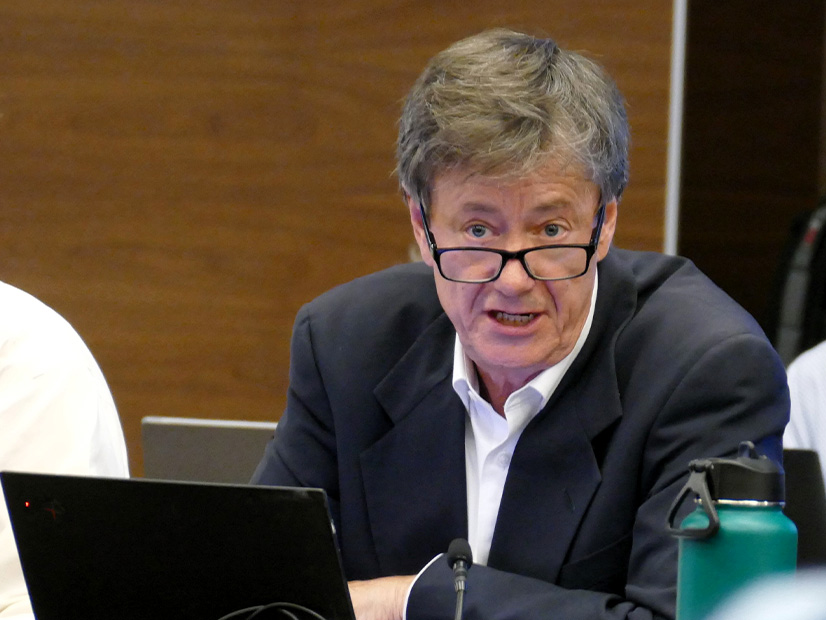
Too often, said Sunny Raheem, SPP’s director of system planning, the current process can lead to separate decisions and determinations and overlook “optimal opportunities for holistic transmission identification.”
“This is really aligning cost commitment and collaboration together to aim at the right direction, the right targets and shared costs,” Raheem told the Markets and Operations Policy Committee on July 15. “We believe that we’re establishing a blueprint under CPP that’s going to enable us to plan for the modern era of grid integration. Today, we react to requests showing up; CPP will be proactively planning for guiding them to the positions that we really want the interconnection’s request to connect.”
Raheem said the CPP sets a 20-year regional transmission vision and forms the basis for its grid-contribution rates. The annual 10-year assessment includes a GI capability study, a GI decision point and a regional assessment that recommends projects for construction, all within three years.
He said the CPP’s forward-looking interconnection study and a “levelized” cost calculation based on benefits from using the transmission system make for a robust process. According to SPP’s 2025 Transmission Expansion Plan report, 92% of system upgrades are funded by load.
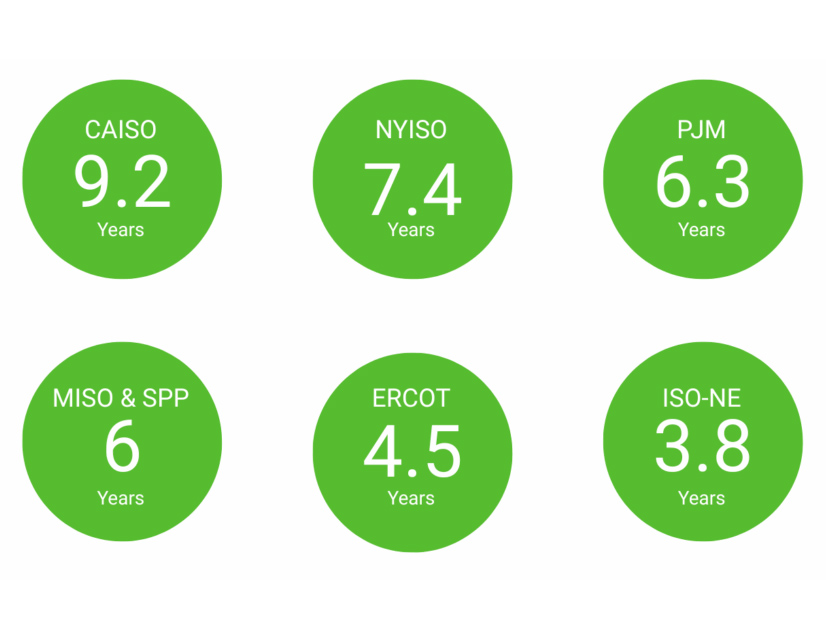
According to a recent Enverus study, new SPP operating projects in 2024 spent about six years in the GI queue, about the industry average.
“[The CPP] helps mitigate those binary cost assignment decisions for generator interconnection. It also increases the cost sharing for generators to contribute to transmission upgrades,” Raheem said.
MOPC’s endorsement — and that expected from the Board of Directors in August — culminates a process that consumed more than 200 meetings, discussions and presentations with eight stakeholder groups over two-and-a-half years. The proposal was endorsed unanimously by every stakeholder group that voted on it. Staff also reached out to educate FERC and SPP’s state regulators on the CPP.
“[This journey] may have seemed like a pie-in-the-sky idea that has progressed through incremental policies to get it to this point,” Raheem said. “When we’re assigning billion-dollar portfolios out of the ITP [Integrated Transmission Planning study], we really need transmission, load and generation all playing together.”
Spearmint Energy’s Michael Ratliff, while holding reservations as a storage developer, said his company will support the CPP.

“We recognize the need for creative queue reform, the value of creating more cost certainty and spreading the cost of transmission upgrades more evenly across the user base,” he said. “We would appreciate some assurances that SPP will be willing to collaborate with developers to make the CPP work for different resource types and the changing resource mix. We’re a little concerned that site planning may limit options for energy storage resources and prevent SPP from fully realizing the value of storage.”
Some of SPP’s more outspoken stakeholders praised the grid operator and staff for completing the work in less than three years.
“It is a bright spot for SPP and the stakeholder process,” Golden Spread Electric Cooperative’s Mike Wise said. “We have had a lot of input over a long period of time, and we have a lot of discussion and a lot of blood, sweat and tears developing this compromise and this approach that can work. We should applaud the SPP staff for sticking with us and managing through this very difficult process, and I am 100% behind it.”
“We’re here in large part because Sunny and his team and everybody, I feel like on the CPP, really worked hard to try to find a path when we ran into walls, and we did,” the Advanced Power Alliance’s Steve Gaw said. “Is this the end result? No, we have a lot more work to do on this. Despite the communication that’s gone, there’s a huge challenge of getting this through at FERC because this is a very different approach than FERC has really seen in the past.
“I think a lot of that groundwork and education that’s gone on has been very important,” Gaw added. The potential help with load issues is great, he said, if it will “get us to the point where the administrative part of interconnecting both gen and load is no longer the obstacle.”
Evergy’s Derek Brown, alluding to SPP’s now-defunct “evolutionary, not revolutionary” value principle, said he was asked within the company’s headquarters whether the CPP process was evolutionary or revolutionary. (See SPP Embraces Need for Speed to Meet Change Head-on.)
“It is revolutionary, there’s no doubt about it. If there was a bright spot for the SPP process, this is it. It took a very long time to get here, to write the tariff language, to take concepts and whiteboard drawings to actual language,” said the Transmission Working Group’s chair. “But like others said, there’s still work to be done.”
Brown and other stakeholders will spend the next three months working on the CPP manuals. SPP plans to file the tariff change in the third quarter of 2025. Assuming FERC’s approval, the first CPP cluster study will begin in April 2026.
MOPC also unanimously approved the scope and work schedule for a combined assessment of the 2026 ITP study, the 2026 20-year evaluation and the CPP transition. The document includes the initial policy items for incorporating the long-term CPP assessment and supports the study to kick off the process.
Staff and stakeholders already have completed model development and a resource plan and siting and set the assessment’s futures. They now will begin a second phase, which involves a needs assessment, solutions evaluation and portfolio development.
The scope’s CPP technical policies will be converted to planning criteria, the ITP manual, the 20-year assessment manual and GI manual.