Pacific Gas and Electric will meet some of this year’s summer electricity demand in California through a virtual power plant demonstration project that will include as many as 1,900 residential customers.
And in another recent announcement, PG&E said it will award up to $43 million for nine microgrid projects in Northern and Central California. The money, distributed through the company’s Microgrid Incentive Program, will fund the development of community microgrids in disadvantaged areas.
PG&E described its virtual power plant program, known as Seasonal Aggregation of Versatile Energy (SAVE), as a peak load shifting and shaping program.
It will recruit up to 1,500 residential electric customers with battery energy storage systems and about 400 customers with smart electric panels. The VPP will be dispatched from June through October for up to 100 hours.
Program participants will be concentrated in California’s Central Valley and the south San Francisco Bay Area.
PG&E is partnering on its VPP demonstration with Sunrun, a company that sells residential solar-plus-storage systems.
Using Tesla’s grid services platform, Sunrun will optimize Powerwall batteries to provide a precise amount of power at specific times to certain locations. For non-Tesla batteries, Sunrun will use Lunar Energy’s Gridshare platform.
Sunrun will manage participating customers’ battery dispatches while making sure participants have at least 20% of their battery capacity in reserve in case of power outages.
“Customers with home batteries are a solution to alleviating strain on our electric grid,” Sunrun CEO Mary Powell said in a release.
Smart Panel Participants
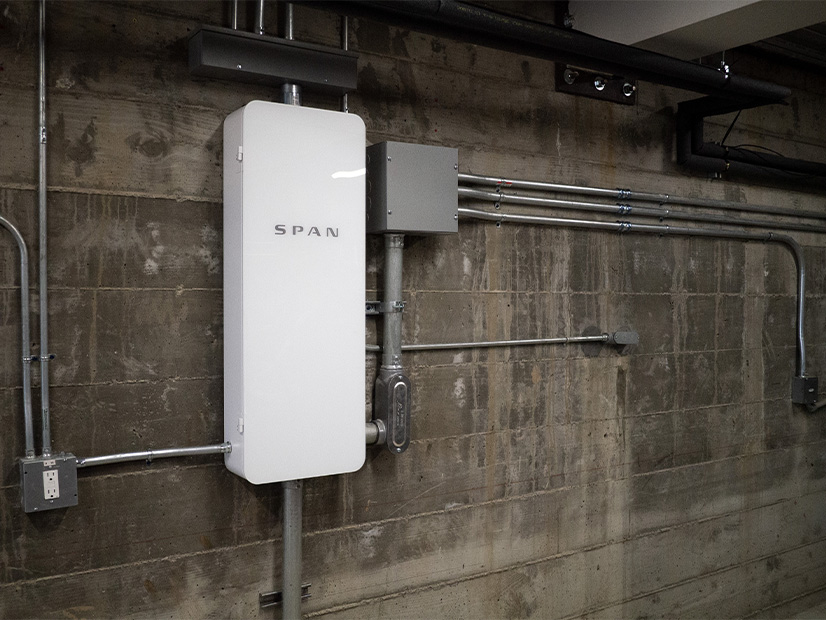
Residents with smart electric panels will participate in the VPP program through a partnership between PG&E and grid service provider SPAN, which will shape home energy demand during peak events.
Customers will be able to set preferences on an app so they can use certain appliances during peak hours while still reducing grid congestion.
PG&E said it chose places to deploy the VPP program based on:
-
- the potential for overloading during peak summer hours;
- participating aggregators’ concentration of customers; and
- ability to test performance across varying load shapes.
About 60% of SAVE participants will be in low-income or disadvantaged communities.
PG&E is conducting the VPP demonstration project as part of California’s Electric Program Investment Charge (EPIC) initiative. Funded by utility customers, EPIC invests in research that may help the electricity sector meet the state’s energy and climate goals.
Microgrid Grants
In a separate program, PG&E announced $43 million in funding for nine microgrids in communities deemed vulnerable to power outages.
The microgrids, which can be disconnected from the grid and provide energy during an outage, typically serve homes and essential facilities such as hospitals, police and fire stations, food markets, and water treatment plants.
PG&E selected the nine projects from a pool of about 50 inquiries. The projects are in California’s North Coast and North Bay areas. Four will serve tribal communities.
Generation resources in microgrid projects may include solar, battery storage, pumped hydroelectric storage, small hydroelectric and biomass.
PG&E is planning a second round of Microgrid Incentive Program grants and will accept applications from April 3 through May 30.