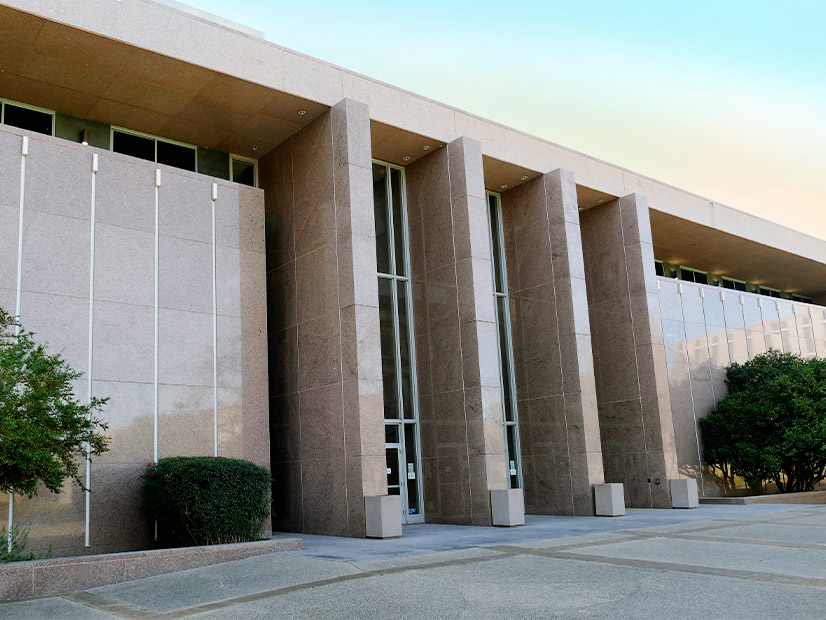
The Texas Supreme Court has ruled against residents and businesses who sued utilities after the deadly February 2021 winter storm known as Uri, saying they did not adequately prove the companies were intentionally negligent in causing widespread power blackouts.
In a June 27 order, the high court ruled the plaintiffs did not provide enough evidence to show Oncor, CenterPoint Energy and AEP Texas were “purposely negligent” or caused a nuisance when they were ordered to cut power as ERCOT struggled to meet overwhelming demand following Winter Storm Uri (24-0424).
Writing for the court’s unanimous decision, Justice Debra Lehrmann dismissed the claims of intentional nuisance, saying the plaintiffs did not allege sufficient facts to survive a motion to dismiss. She held that the plaintiffs, “as a matter of law, cannot allege” that the utilities “created” or “maintained” a nuisance.
“The alleged ‘nuisance’ here is prolonged freezing temperatures during Winter Storm Uri,” Lehrmann wrote. “The allegations do not suggest that the utilities created or exacerbated the cold temperatures or affirmatively maintained them. Rather, the plaintiffs complain that the utilities failed to adequately respond to and mitigate the harm caused by those temperatures. That is not a basis for an intentional-nuisance claim.”
Lehrmann also held that the plaintiffs’ arguments “do not sufficiently allege gross negligence.” However, she wrote they should “have an opportunity to replead the gross-negligence claims.”
The court ordered the Harris County multidistrict litigation (MDL) court to dismiss the intentional-nuisance claims with prejudice and to provide the plaintiffs an opportunity to replead their gross-negligence claims in an amended petition.
Thousands of customers filed hundreds of lawsuits against electricity companies in the wake of Uri’s outages, which lasted up to 80 hours for some Texans. The cases, alleging negligence, gross negligence, nuisance and other claims, were consolidated into an MDL proceeding.
The storm’s freezing temperatures knocked more than 34 GW of generation offline, bringing the Texas Interconnection within minutes of total collapse. The ensuing outages caused billions of dollars in damages, bankrupted electric companies and killed hundreds of Texans.
The 14th Court of Appeals dismissed the negligence and strict-liability nuisance claims but allowed the gross negligence and intentional nuisance claims to proceed. The Texas Supreme Court heard arguments on appeal in February. (See Texas Supremes Hear Arguments in Last Uri Case.)
Oncor spokesperson Roxana Rubio said the company was pleased with the ruling in that it barred plaintiffs from pursuing six of the seven original causes of action alleged against it. She said the utility is confident the case will “ultimately be fully dismissed should the plaintiffs attempt to pursue an allegation of gross negligence under the strict limitations of this ruling.”
“We continue to maintain that every action Oncor took during Winter Storm Uri was for the purpose of successfully preventing the collapse of the Texas grid,” Rubio said in an email. “We recognize this does not lessen the anguish experienced by our customers and by Texans across the state during that time.”
CenterPoint said it takes seriously “the privilege it has of providing safe and reliable electric service to its customers and communities.” It said it implemented ERCOT’s load-shed orders and “acted quickly to save the electric grid when demand exceeded supply.”
“CenterPoint is confident that plaintiffs will be unable to support any claim for gross negligence,” the utility said in a statement. “If plaintiffs replead, CenterPoint will continue to vigorously defend against plaintiffs’ remaining claim in the trial and appellate courts.”
AEP Texas declined to comment.