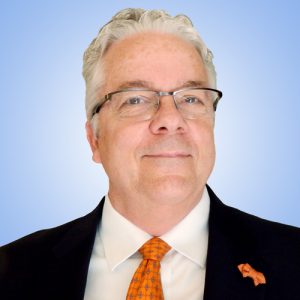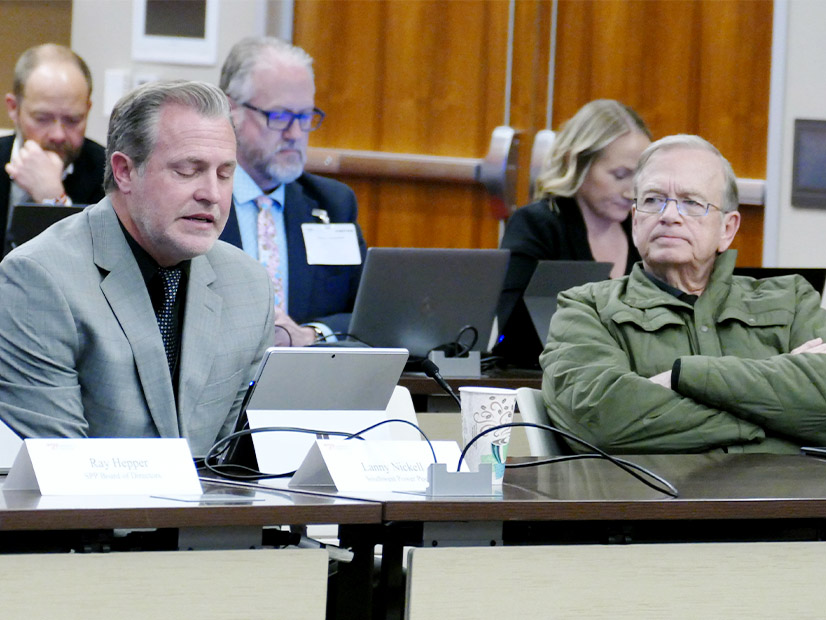
LITTLE ROCK, Ark. — SPP CEO Lanny Nickell says the grid operator’s Regional State Committee, composed of regulators from its (current) 14-state footprint, offers a structure others might follow.
“I believe that the SPP RSC model is unique, and I think it’s the best-in-class among the RTO world,” Nickell told the committee’s members during its February meeting. “It’s based on shared responsibility, transparency, and it’s something that I value very much. Our staff and our board remain committed to strengthening our relationships with you and supporting your work every step.”
Nickell pointed to recent discussions he has had with legislators as he tours the service territory to raise awareness. He said in a recent visit with the Kansas legislature, he learned how the Kansas Corporation Commission’s Andrew French and his staff have explained the value SPP brings.
“These conversations have reaffirmed for me just how important our RSC partnerships are,” Nickell said.
The RSC was created in 2004 to provide regulatory input on “regional importance related to the development and operation of bulk electric transmission.” In approving the group’s creation, FERC recognized the need for a mechanism that facilitates regional consensus on critical issues related to transmission planning and operation.
The commission also made the RSC the first organization of state regulators from multiple states to be expressly granted authorities in a FERC-jurisdictional grid operator. The commissioners exercise this authority by determining whether and to what extent participation funding will be used for transmission improvements and whether license plate or postage-stamp rates will be used for the regional access charge.
The RSC has grown to 13 members with the recent addition of Montana commissioner Randall Pinocci. The membership will increase again with the RTO’s expansion into the Western Interconnection in April.
Two future members, Wyoming’s Mike Robinson and Arizona’s Nick Myers, watched from the sidelines. A third, Colorado’s Eric Blank, called in.
The committee also welcomed two new members in the Louisiana Public Service Commission’s Eric Skrmetta and the New Mexico Public Regulation Commission’s Greg Nibert. Skrmetta replaces Mike Francis, and Nibert takes over for Patrick O’Connell, who chaired the RSC in 2025.
Economic Consultant Approved
The RSC approved the selection of Bates White Economic Consulting to provide expertise in transmission cost allocation and evaluating its benefits.
The D.C.-based firm, chosen by the committee’s leadership from five respondents to a request for proposals, will be tasked with providing information and education, analyzing cost-allocation options for the SPP RTO region, a facilitate discussion among the committee’s members and its Cost Allocation Working Group.
“I feel this is an indication of the increased focus on cost allocation by the RSC,” Texas’ Kathleen Jackson told her fellow commissioners during their February open meeting, noting the consultant is a first in “recent times.”
The commissioners also agreed to sunset the Improved Resource Availability Task Force, which was formed in the aftermath of 2021’s Winter Storm Uri. The group carried out recommendations from SPP’s post-storm report, ensuring generators have reliable fuel and the grid operator improves how it plans for and manages resource availability.
The task force handed off its leftover items to the Resource and Energy Adequacy Leadership Team when the latter was formed in 2023.
“The issues have been challenging, but I think the REAL Team has really stood up, stepped up and developed much-needed policies that strengthen reliability across the entire footprint,” Nickell said. “Some of the favorable outcomes from [January’s winter storm] were a result of a lot of the work that the REAL Team did … and all the stakeholders that played a role along the way.”