Department of Energy
© RTO Insider LLC
DOE has committed more than $95 billion in grants and loans, with more going out the door each day.
Invenergy
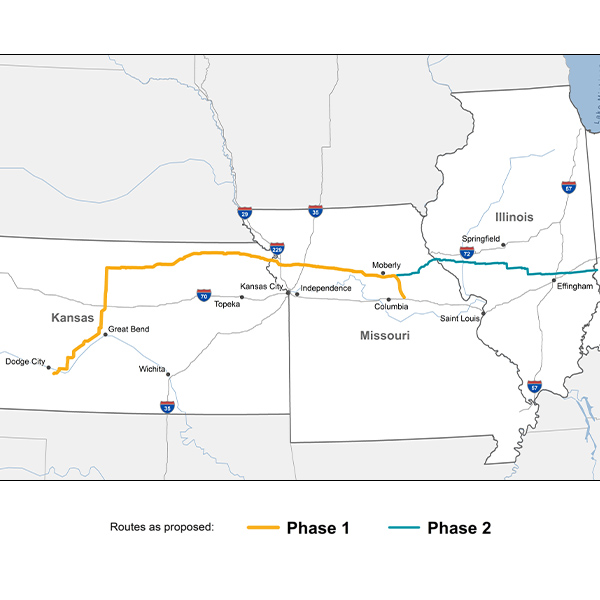
The Department of Energy’s Loan Programs Office announced three conditional loans totaling more than $11 billion, to be used to build interregional transmission, an electric vehicle factory and virtual power plants.
© RTO Insider LLC
Washington insiders warn solar developers that Donald Trump and congressional Republicans are coming for tax credits and other clean energy incentives in the IRA.
Office of Clean Energy Demonstrations
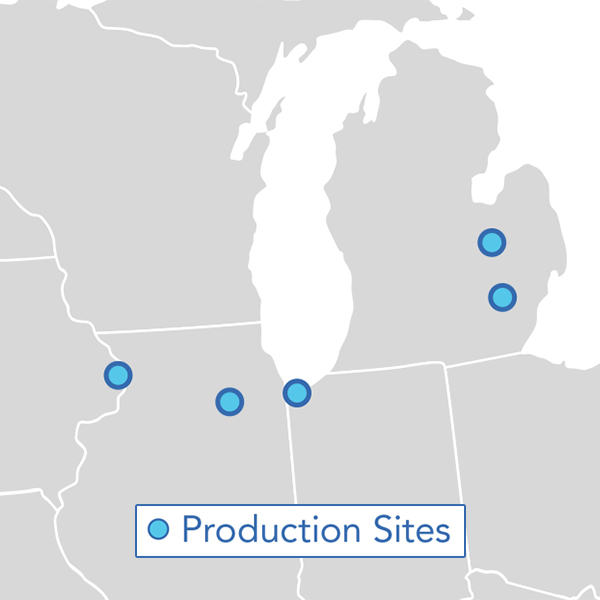
DOE has announced $2.2 billion in funding commitments to two hydrogen hubs: the HyVelocity hub on the Gulf Coast and the Midwest Alliance for Clean Hydrogen hub in four Midwestern states.
Kairos Power
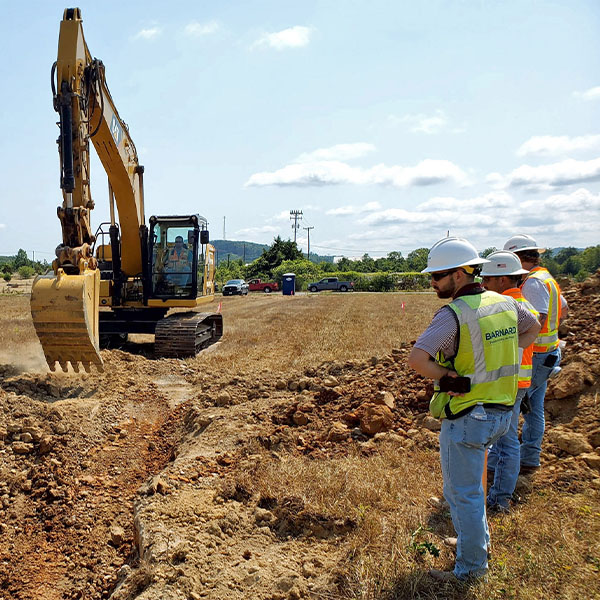
The Nuclear Regulatory Commission has approved construction of Kairos Power’s Hermes 2 demonstration plant in Oak Ridge, Tenn.
Nevada Gold Mines
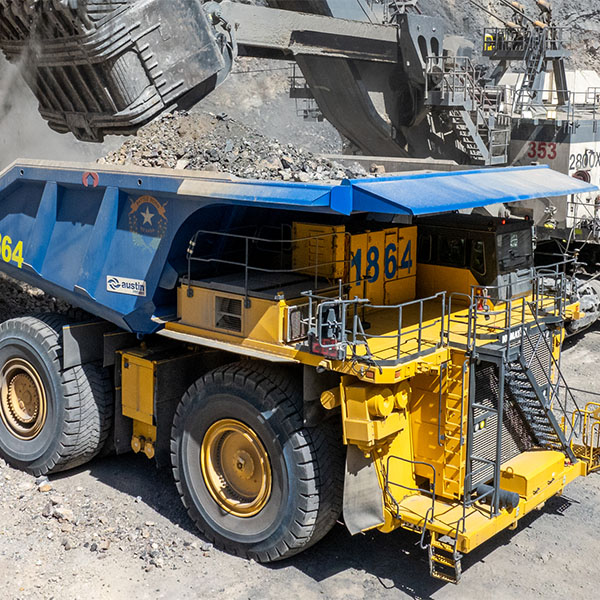
The best way to Trump-proof the IRA funds is to get them out the door as quickly as possible, some advocates are saying. Unspent money could be at risk of never being spent.
Shutterstock
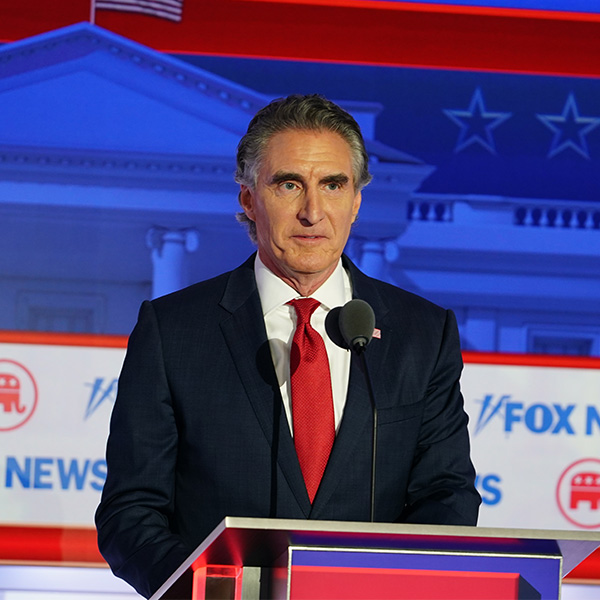
President-elect Donald Trump intendeds to nominate North Dakota Gov. Doug Burgum as secretary of the interior and Chris Wright, CEO of Liberty Energy, as secretary of energy.
DOE
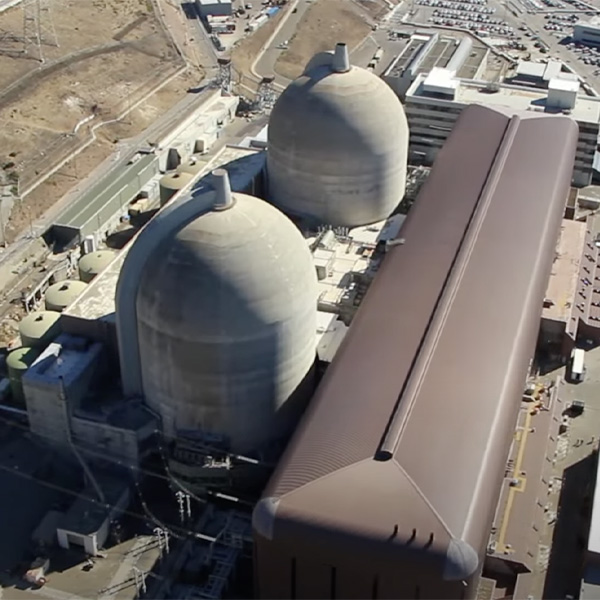
The Biden administration wants to jumpstart a “nuclear deployment ecosystem” by getting 35 GW of new nuclear power online or under construction by 2035 and then build to a steady pace of deploying 15 GW per year in the U.S. and globally by 2040.
© RTO Insider LLC
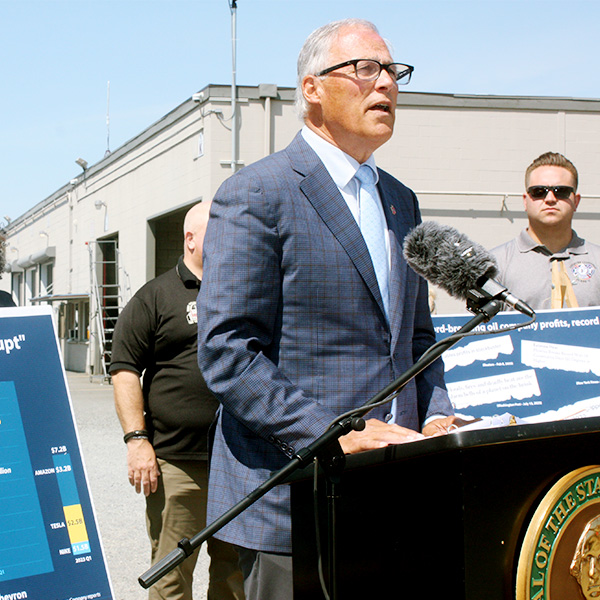
President Biden and Vice President Harris will not travel to Azerbaijan for COP29, but a group of U.S. mayors, governors and corporate leaders is carrying a message of continued commitment to the goals of the Paris Agreement.
Shutterstock
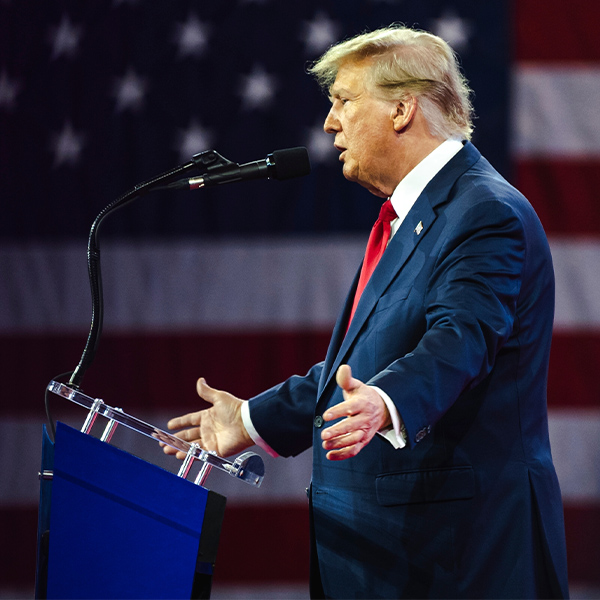
In the wake of President-elect Donald Trump’s victory Nov. 5, the clean energy industry is now obsessing over how far the next administration will push his own agenda in favor of fossil fuels,
Want more? Advanced Search