Fossil Fuels
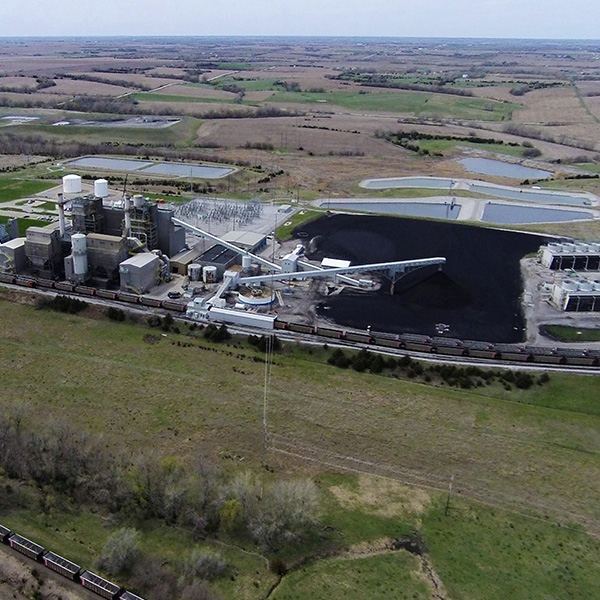
Nebraska Public Power District
Three cabinet-level agencies announced coordinated policies that are meant to improve coal's position in the energy system by improving power plants, cutting environmental regulations and increasing mining of the fuel.

Shutterstock
Democrats introduced a FERC-heavy bill to control electricity costs, House Energy & Commerce Committee Republicans tout bills passed out of committee, DOE returns $13 billion and some details from the Dallas Fed survey.
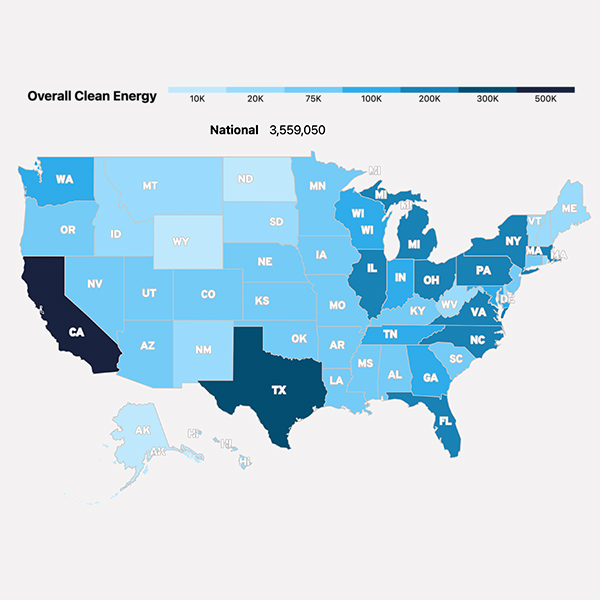
E2
Several new reports and updates give snapshots and predictions about the changing direction of the U.S. energy sector.

© RTO Insider LLC
It is only because of special interests that local and state governments would even consider prohibiting consumers from choosing natural gas as an energy source to meet their space, water heating, and cooking needs, writes energy economist Ken Costello.
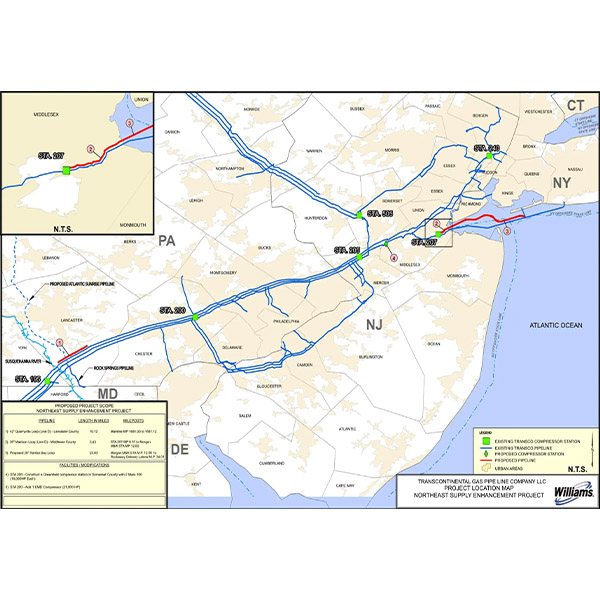
The Williams Cos.
A controversial natural gas pipeline proposal got a boost as the New York Public Service Commission approved the long-term plan for the state’s largest gas delivery system.
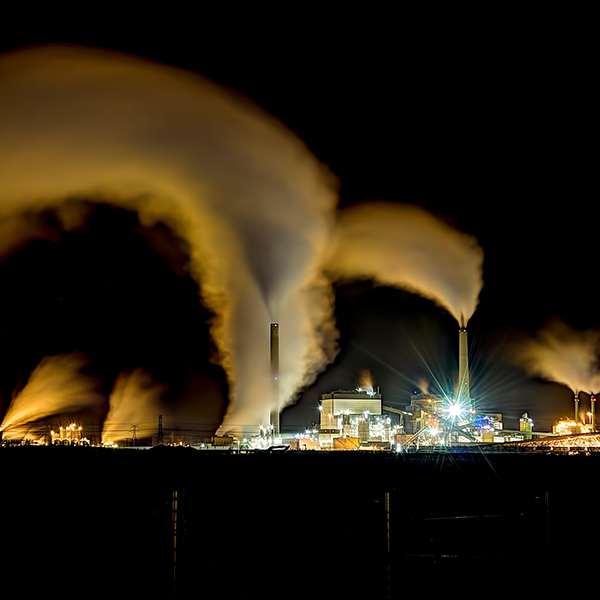
© RTO Insider LLC
EPA Administrator Lee Zeldin said the reporting is not mandated under the Clean Air Act, has no bearing on the environment or public health, and imposes hundreds of millions of dollars a year in compliance costs on American businesses.
Lawrence Berkley National Lab
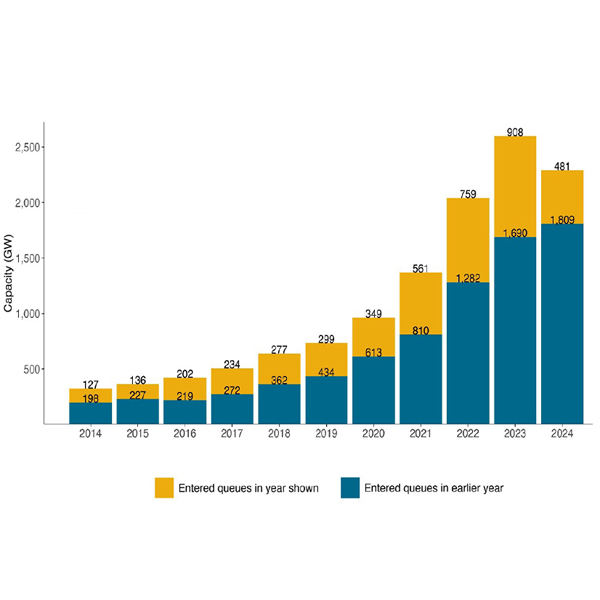
Two new data sets show the industry has started to cut back on record high interconnection queue levels from last year as reforms have started to take hold.
EIA
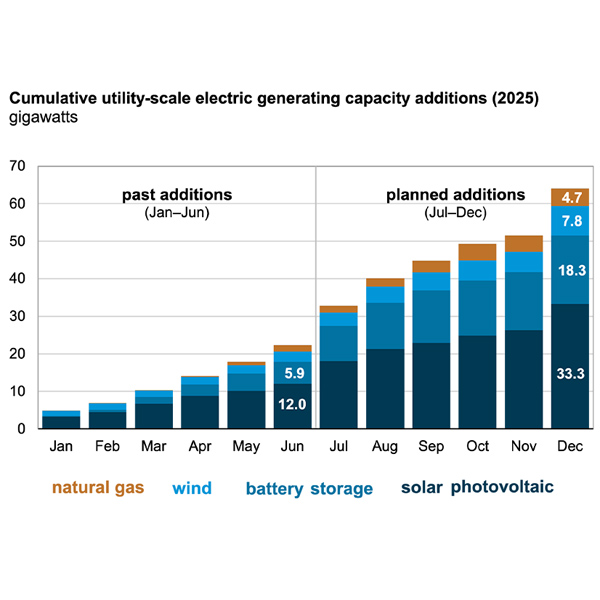
The United States is on track for a record increase in power generation capacity in 2025, the U.S. Energy Information Administration reports.
National Grid
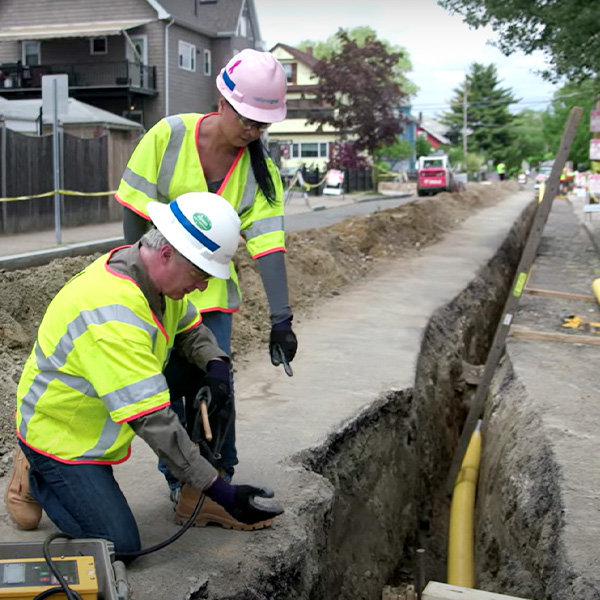
The Massachusetts Department of Public Utilities directed the state’s gas distribution companies to revise their line extension policies and require new customers to cover the cost of new hookups, with limited exceptions.
Constellation
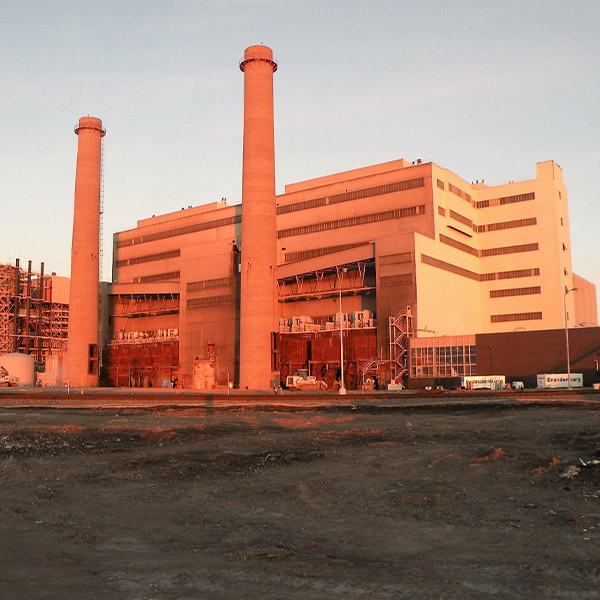
Three clean energy trade groups asked DOE to reconsider its recent report on resource adequacy, which they contend uses a deterministic approach to stake out a position for not retiring any more power plants in the face of rising electricity demand.
Want more? Advanced Search