Generation & Fuels
BioenergyFossil FuelsCoalNatural GasGeothermalHydrogenNuclearSMRRenewable PowerCommunity solarHydropowerOffshore Wind PowerOnshore Wind PowerSolar PowerRooftop solarUtility scale solar
Dominion Energy
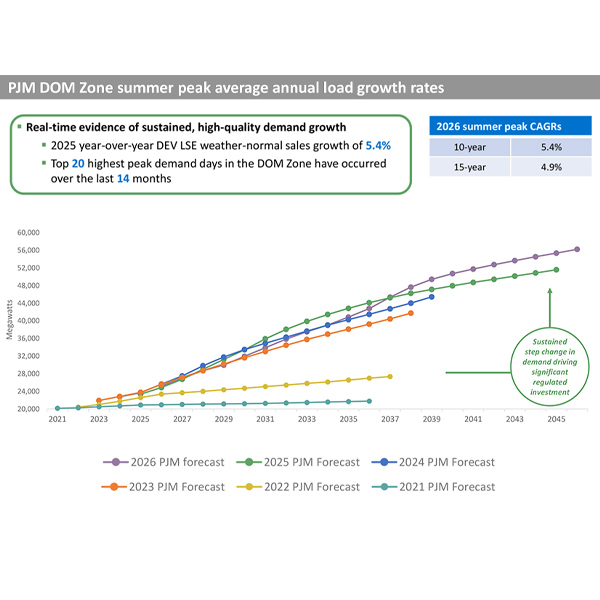
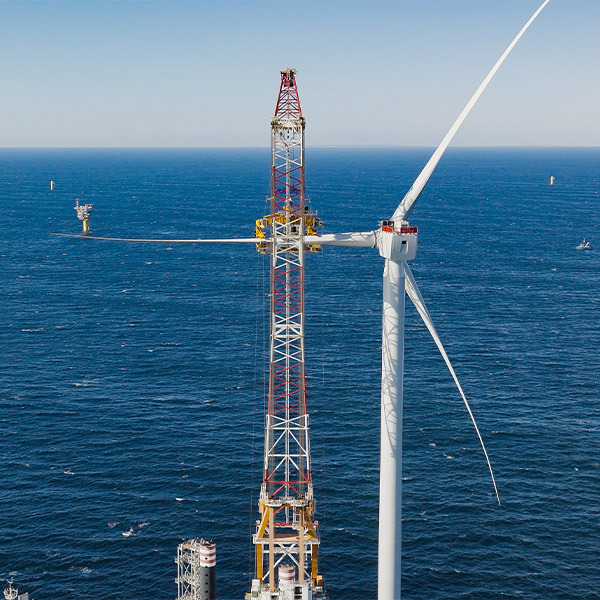
Dominion Energy updated analysts on its efforts to complete a major offshore wind project and to meet rising demand from data centers on its fourth-quarter earnings call.
Tri-State Generation and Transmission Association
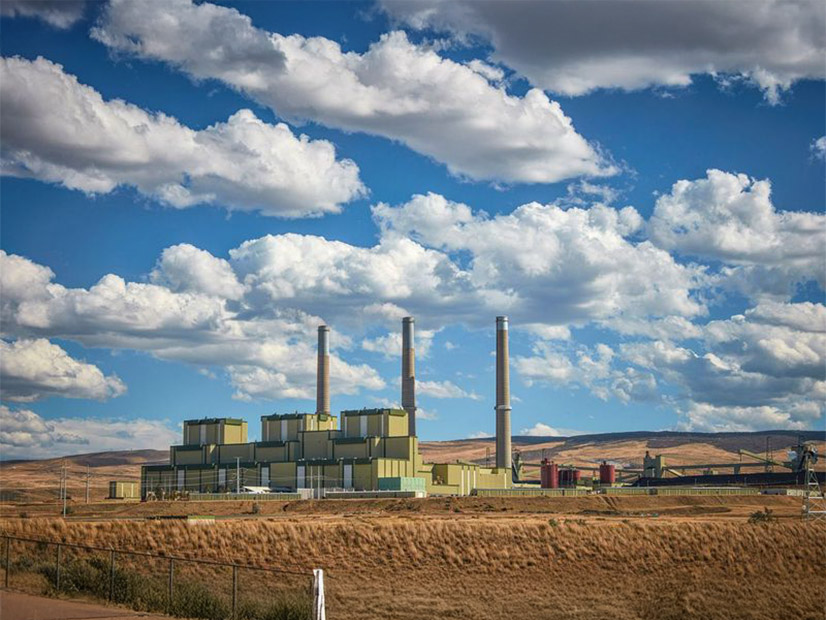
A bill in the Colorado legislature seeks to reduce the environmental impact of federal orders delaying the retirement of coal-fired power plants.
EIA
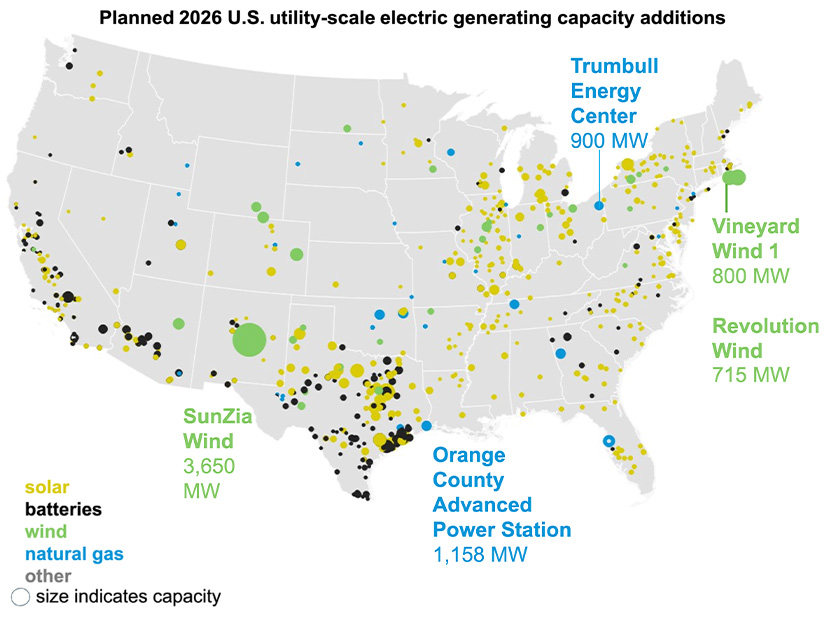
The EIA released a report that said a record 86 GW of utility-scale capacity is projected to be added to the grid in 2026, which if true, would far outpace the 53 GW of capacity added in 2025.
Oklahoma Municipal Power Authority
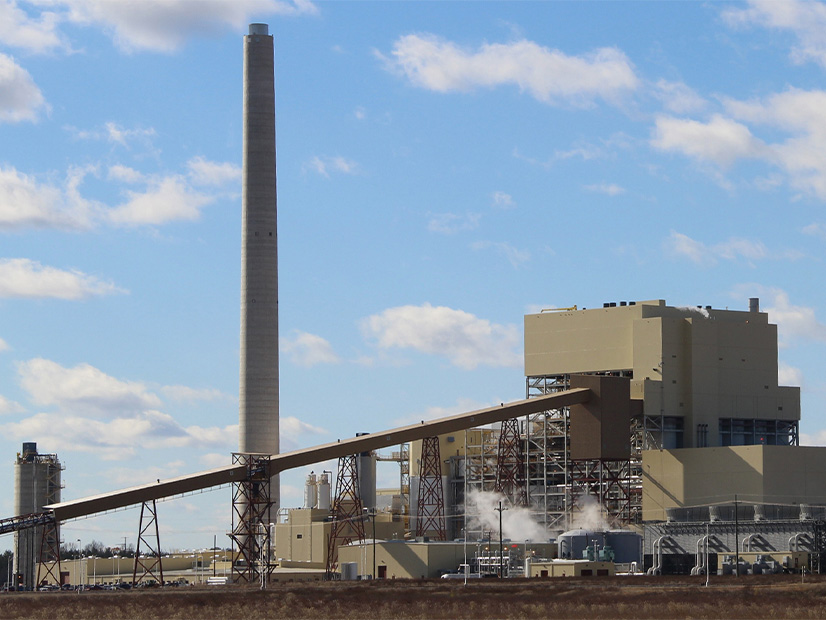
EPA revoked its 2024 updates to the MATS rules, which included regulation of non-mercury emissions and monitoring equipment requirements for all covered power plants.
Colorado Energy Office
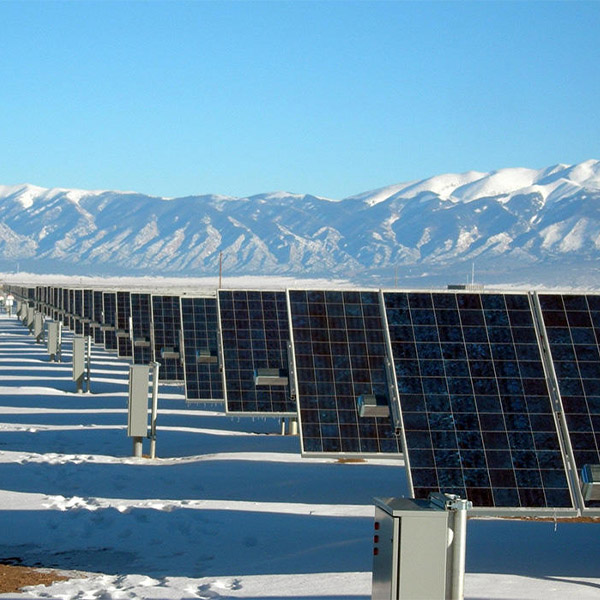
Colorado regulators approved 3.2 GW of new resources requested by Public Service Company of Colorado under an expedited approval process designed to take advantage of soon-expiring federal tax credits.
ARCHES
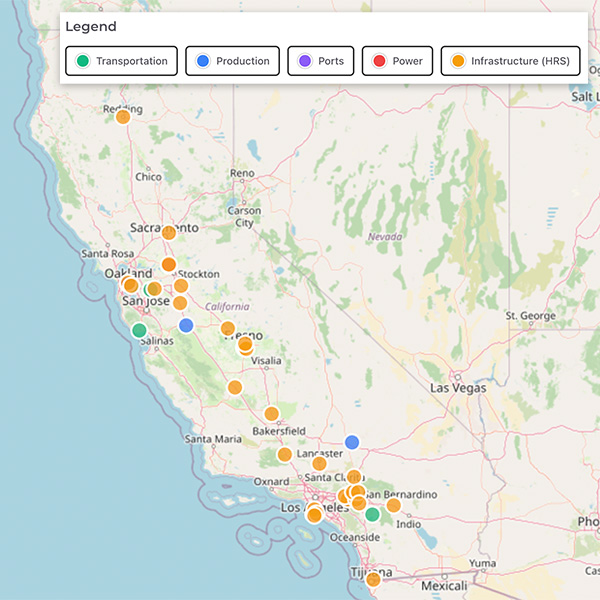
Thirteen blue states are suing the Trump administration for reversing Biden administration funding commitments worth $7.6 billion for energy and infrastructure projects.
BloombergNEF
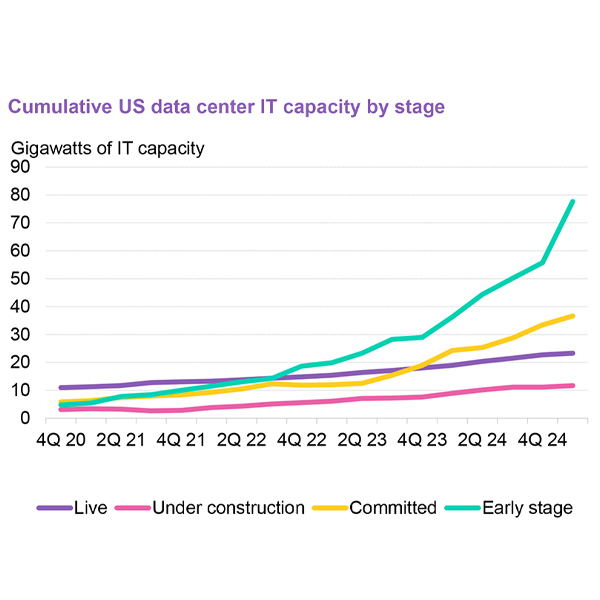
The annual status report from the Business Council for Sustainable Energy finds sustainable energy met rising U.S. power demands in 2025 despite the far-reaching policy shifts roiling the sector.
Windy.com
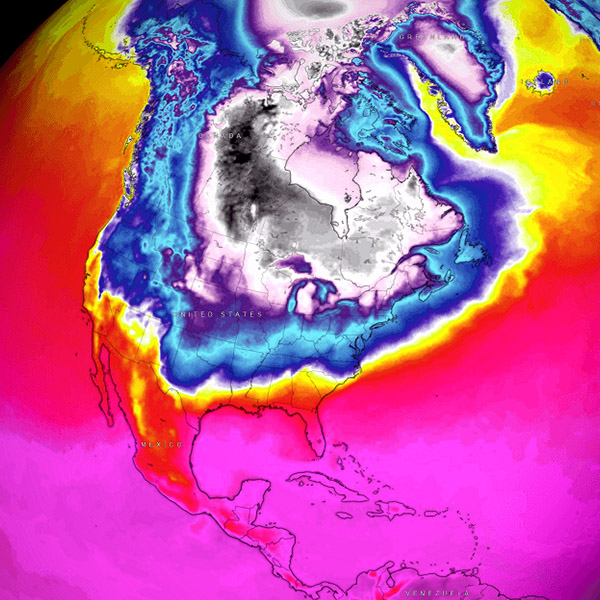
With Winter Storm Fern, we learned, once again, that our nation’s power grids rely on a significant fossil mix when the weather turns nasty, writes columnist Peter Kelly-Detwiler.
Ørsted
After 19 months, New York has abandoned its most recent attempt to procure offshore wind power, saying it would not be prudent to proceed amid federal policy uncertainty.
Eversource Energy
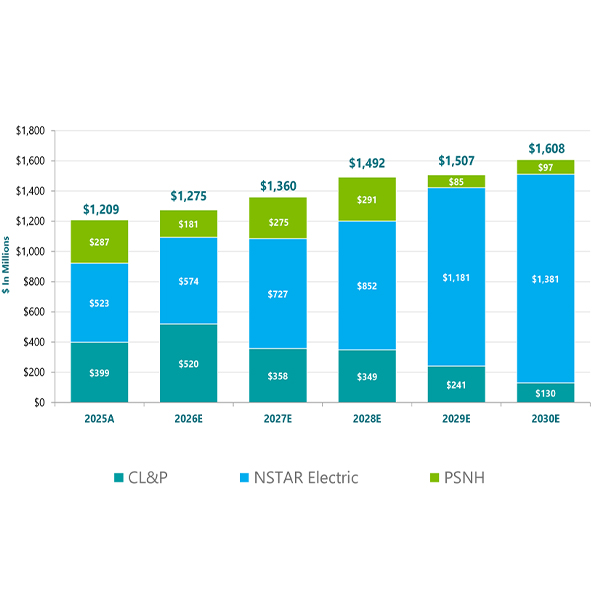
Eversource Energy increased its five-year capital investment plan by $2.3 billion, an increase largely driven by investments in its gas and electric distribution systems.
Want more? Advanced Search