Hydropower
NYSERDA
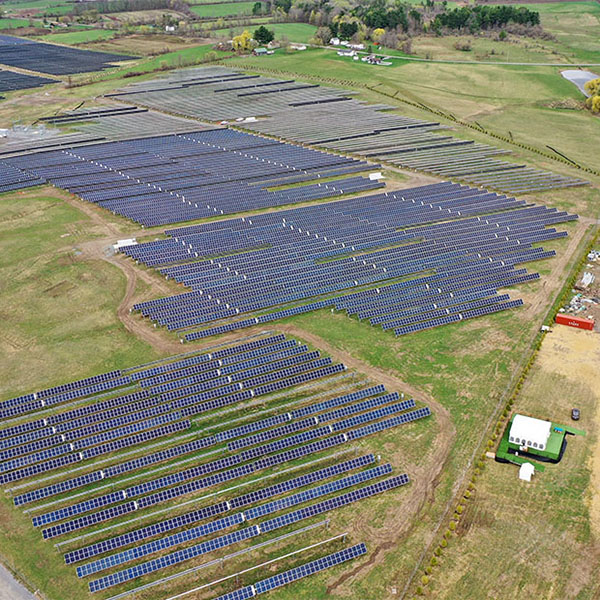
After a decade of intensive policy work and billions of dollars expended, the state’s grid was more reliant on carbon-based fuels in 2024 than in 2014.
Northwoods Resort
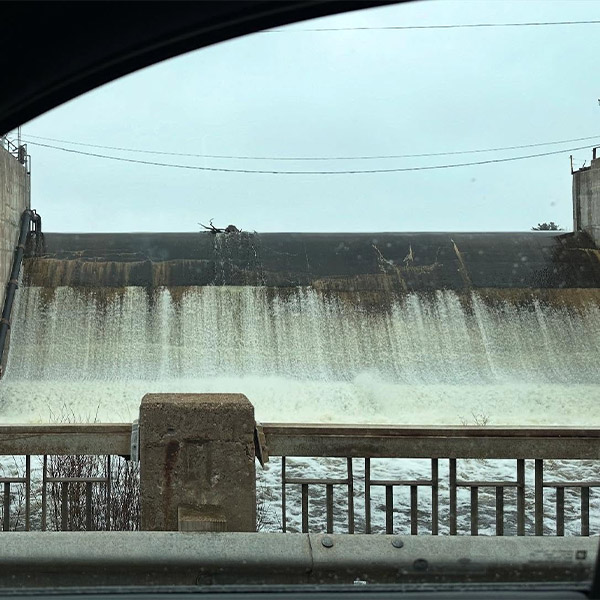
FERC revoked the operating license for a troubled dam in Michigan’s Upper Peninsula, citing a failure to address safety issues that could cost lives and the owner’s loss of land in bankruptcy proceedings.
U.S. Army Corps of Engineers
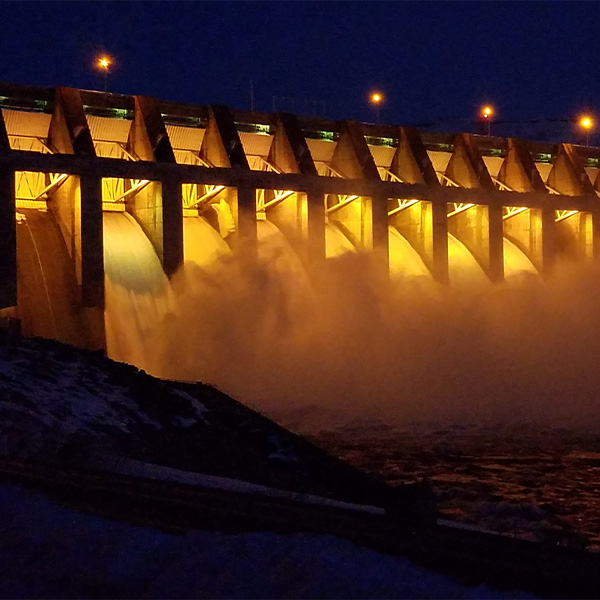
The demand for energy storage capacity is driving a flurry of proposals for new pumped storage hydropower while proposals for new conventional facilities are limited to small-scale projects.

Duke Energy
Duke Energy filed its long-range plan with the North Carolina Utilities Commission, calling for more natural gas-fired generation and batteries while keeping existing coal plants online to meet accelerated demand for electricity.

Western Maine Energy Storage
A developer in Maine is evaluating whether pumped storage – one of the oldest generation technologies still used on the New England grid – could play an increased role in the grid of the future.
Consumers Energy
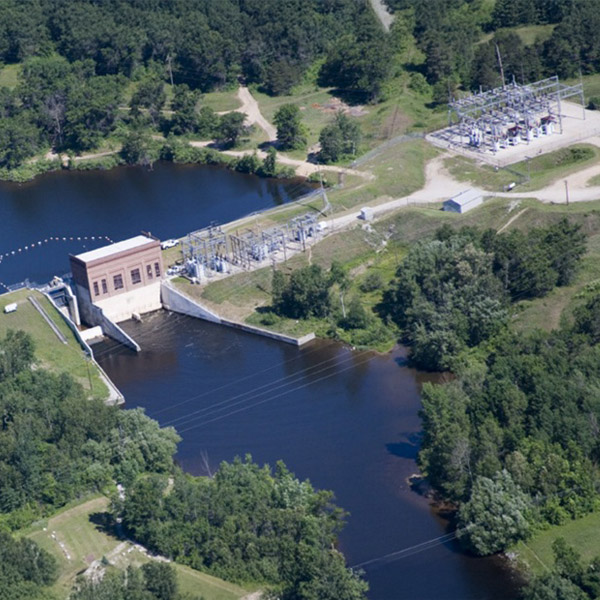
After years of looking for a buyer, Consumers Energy announced it struck a $13 deal to sell its fleet of 13 hydroelectric dams in Michigan to a Bethesda, Md., private equity firm.

Georgia Power
Georgia Power will add at least 6 GW of new generation capacity by 2031, and potentially as much as 8.5 GW, under its recently approved integrated resource plan.
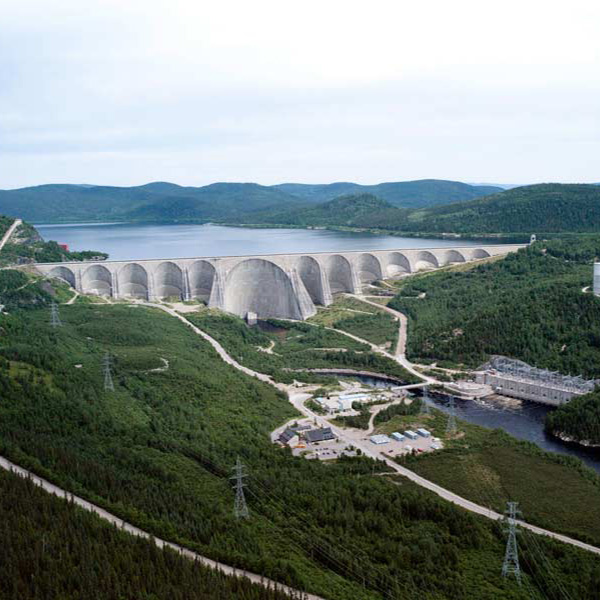
Hydro-Québec
The impending addition of new export commitments could pose a challenge for Hydro-Québec over the next few years if drought conditions persist.
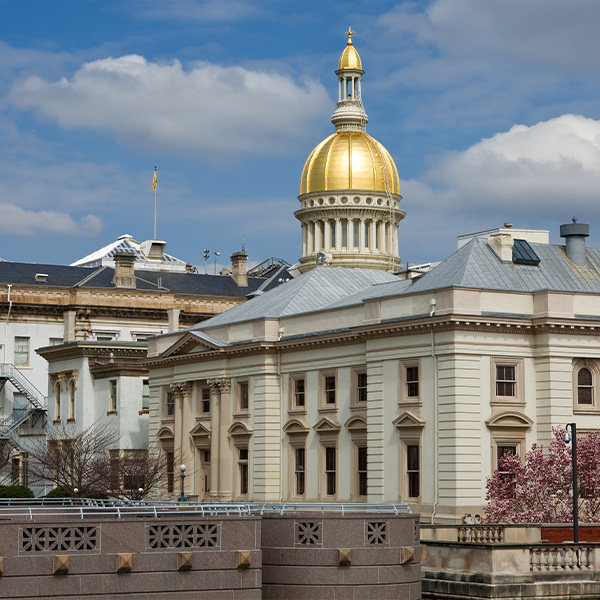
Shutterstock
New Jersey legislators have pushed ahead with a series of energy proposals, among them plans to harness wave, nuclear and storage.
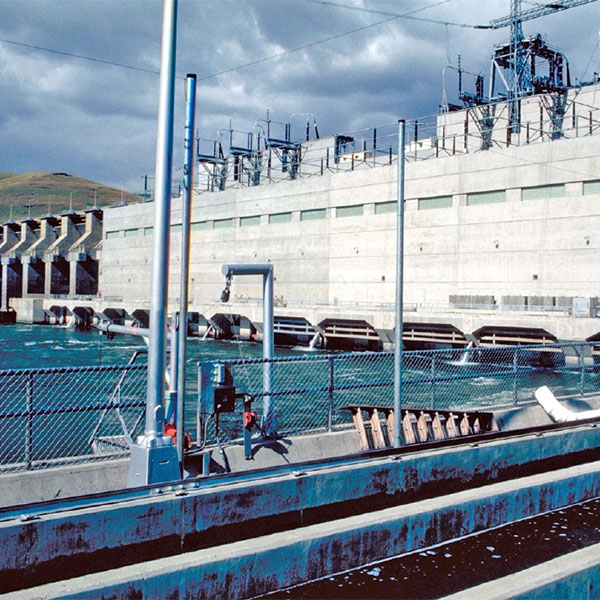
BPA
President Trump issued a memo directing the federal government to withdraw from a deal with four tribes and two states that considered the future operation of four dams on the Lower Snake River and eventually could have led to their breach.
Want more? Advanced Search