Utility scale solar
NextEra Energy
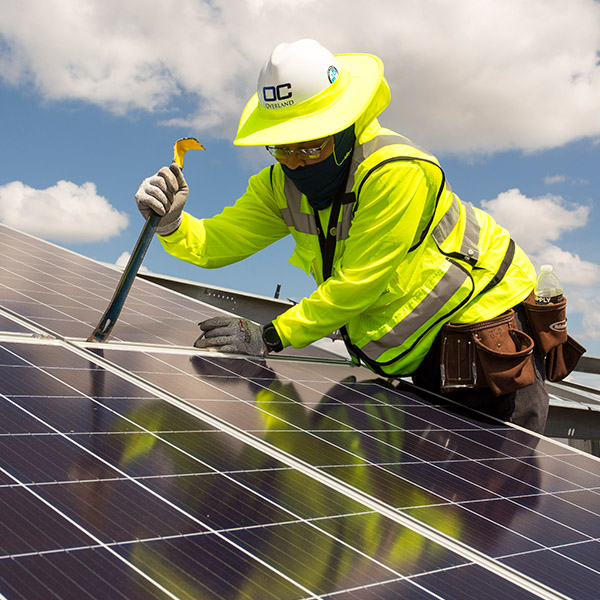
NextEra Energy continues to present renewables as a bridge to the grid of future and fashions itself as an "all-of-the-above company" in an optimal position to build that bridge.
APS
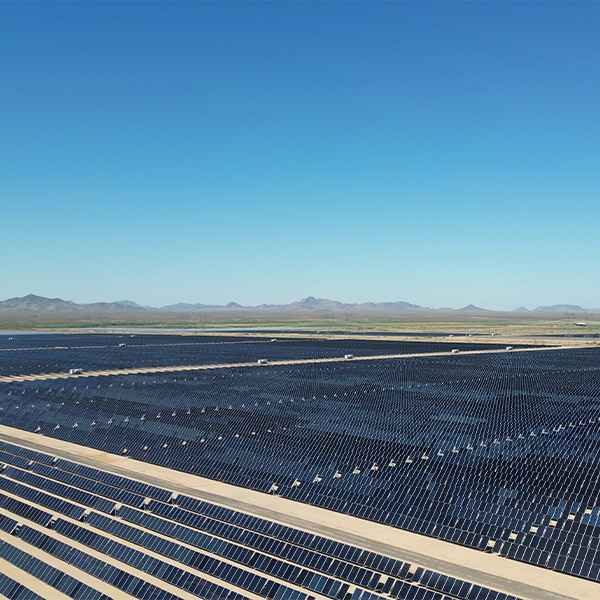
Large-scale solar and wind projects are facing growing local resistance along with federal policy changes.

Dominion Energy
The Virginia SCC ordered changes to Dominion's IRP filings, requiring scenarios that meet state clean energy goals and have an increased level of storage, efficiency and demand-side management.

The White House
How deeply the One Big Beautiful Bill Act will impact clean energy still is being determined.
Shutterstock
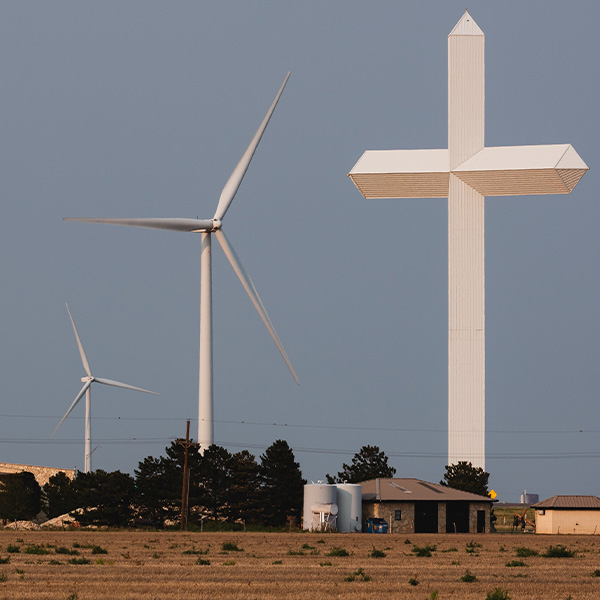
President Trump has issued an executive order targeting renewable energy tax credits as strongly as possible under the One Big Beautiful Bill Act.
Lazard
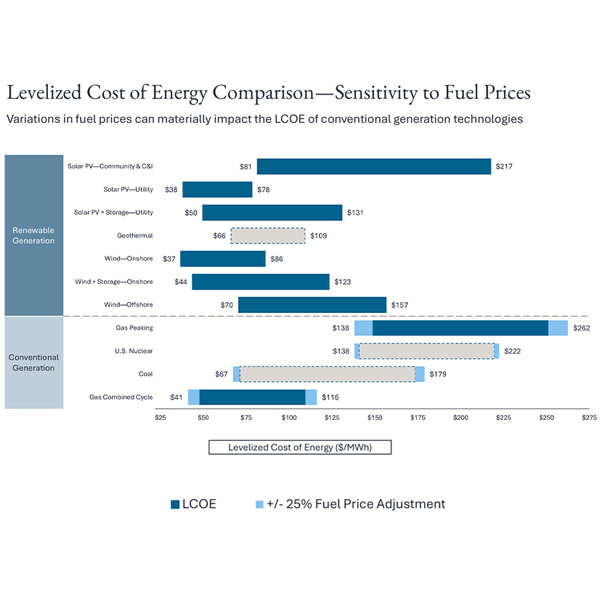
Lazard’s latest analysis of the levelized costs of energy concludes that wind and solar are the least-expensive new-build power generation for the 10th year in a row.
Shutterstock
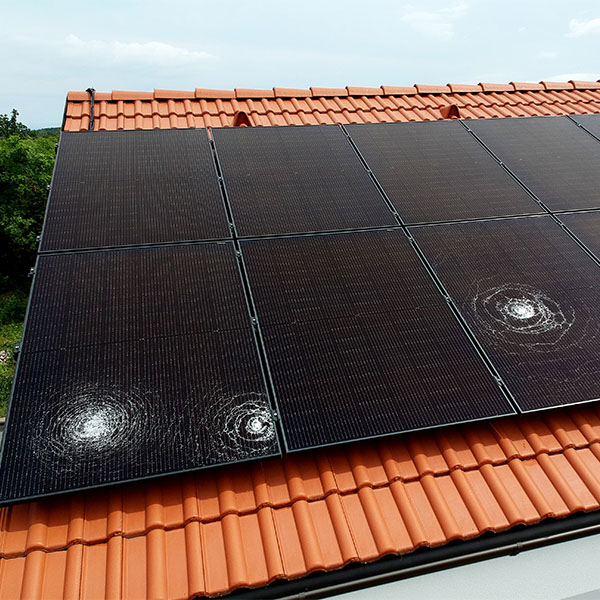
Hailstones accounted for only 6% of incidents resulting in losses to solar panels, but those losses amounted to 73% of the total.

© RTO Insider
A massive solar facility proposed in a small rural town reflects all of the expense, stress and delays that characterize renewable energy development in New York in 2025.
CAISO
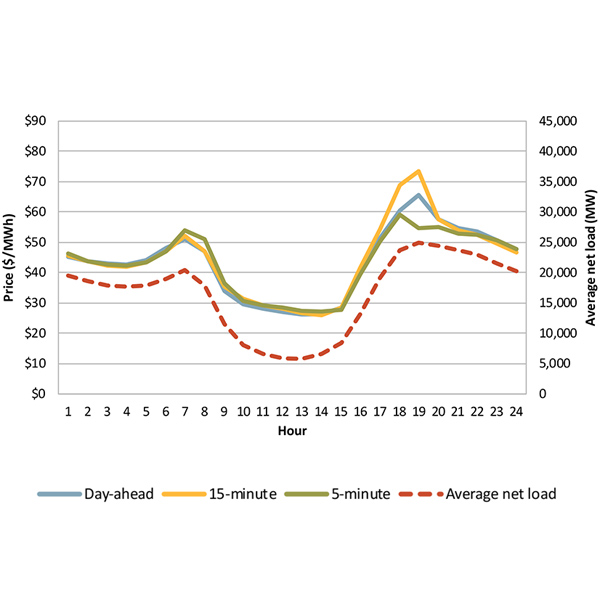
The duck curve has landed in New England, not the sunniest of places, but it and California are by no means the only grids that will be greatly affected, says columnist Peter Kelly-Detwiler.
American Clean Power
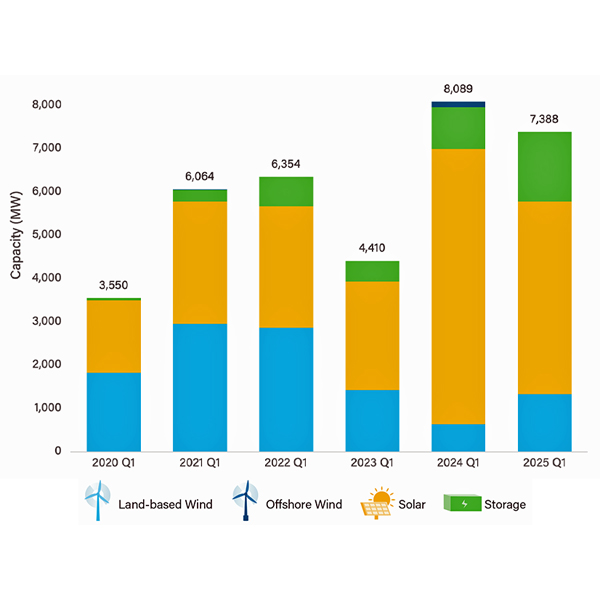
This was the second-strongest start to a year ever recorded in the United States and brought the total to 320.86 GW installed nationwide.
Want more? Advanced Search