Transmission & Distribution
Astoria Generating Company
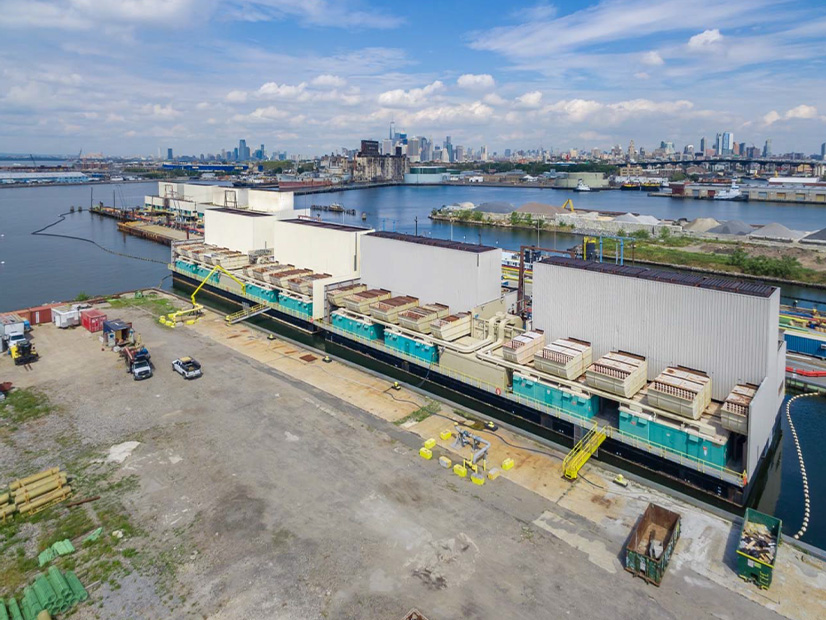
Alpha Generation, owner and operator of the Gowanus and Narrows floating power plants in New York City, has proposed replacing the six peaking units with three lower-emitting ones in response to Consolidated Edison’s solicitation for solutions to the city’s reliability need.
National Laboratory of the Rockies
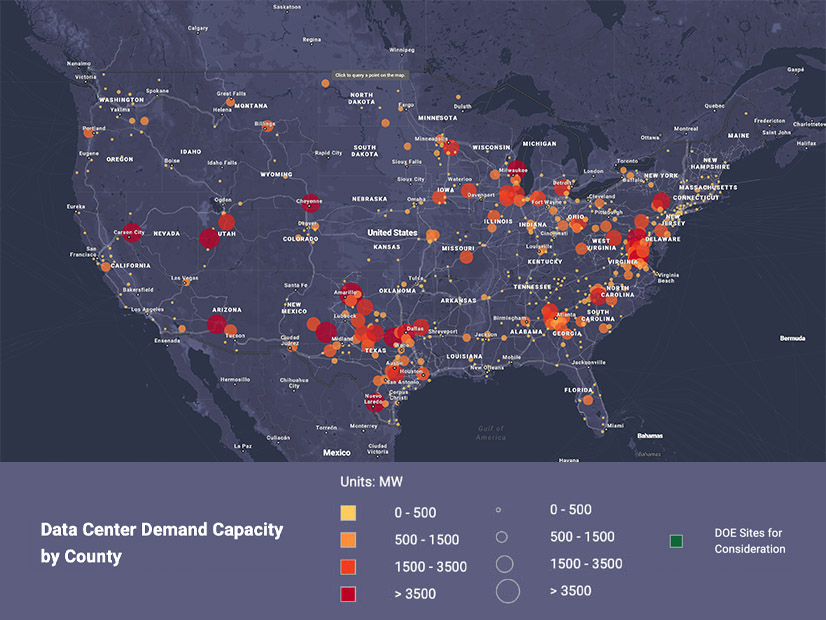
A new study quantifies some of the benefits that could come from more fully using the existing capacity of the grid before expanding the grid to meet demand growth from data centers and other large loads.

Department of the Interior
The Trump administration announced energy, technology and resource deals worth $56 billion coming out of an Asia-Pacific energy security summit.
Virginia Department of Historic Resources
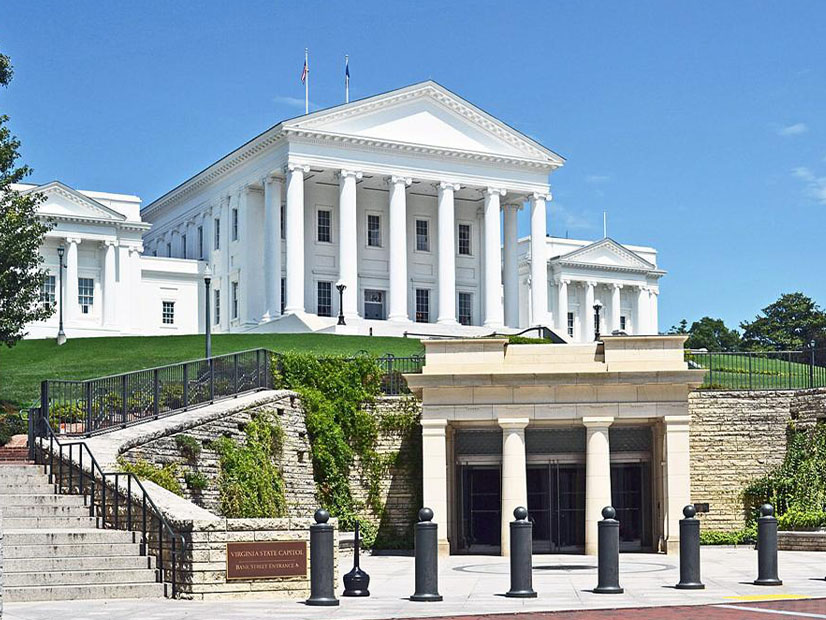
The Virginia General Assembly wrapped up its session and Democrats used the power they won in November's elections to push through bills favoring clean energy as the state faces significant load growth from data centers.
Shutterstock
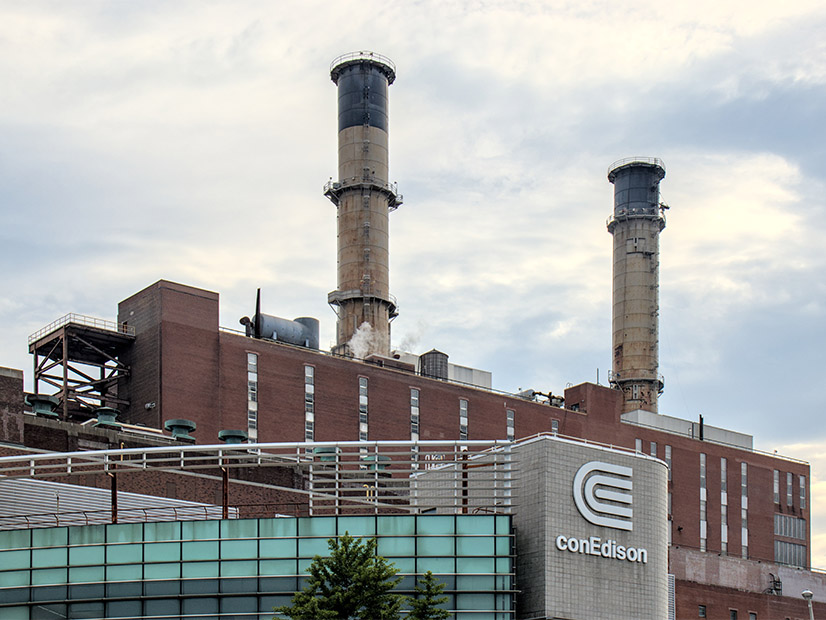
New York energy storage and solar trade groups are seeking an immediate end to what they say is an effective freeze on interconnection of distributed storage facilities by the state’s largest investor-owned utility.
EIA
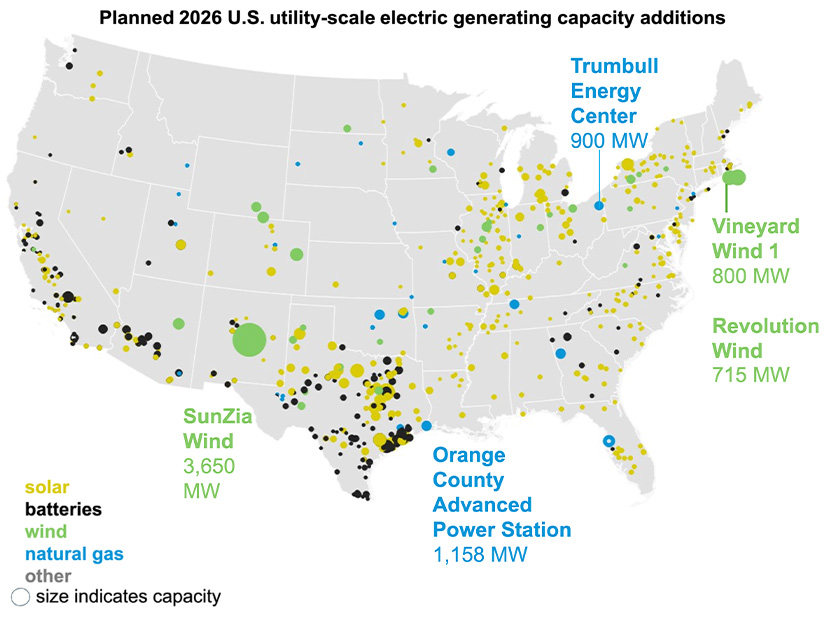
The EIA released a report that said a record 86 GW of utility-scale capacity is projected to be added to the grid in 2026, which if true, would far outpace the 53 GW of capacity added in 2025.
The Century Foundation commentary with data from UC-CCP
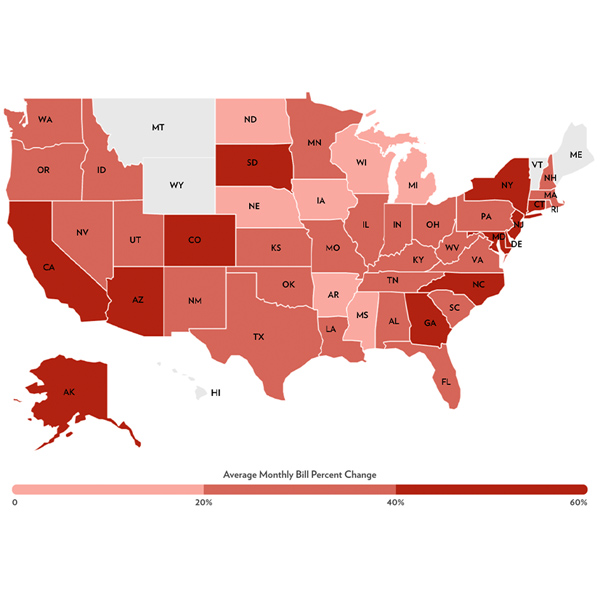
Residential electricity bills have moved from being background noise in discussions about resource adequacy, decarbonization, and transmission expansion to being the loudest political and business risk, says Dej Knuckey.
ORES
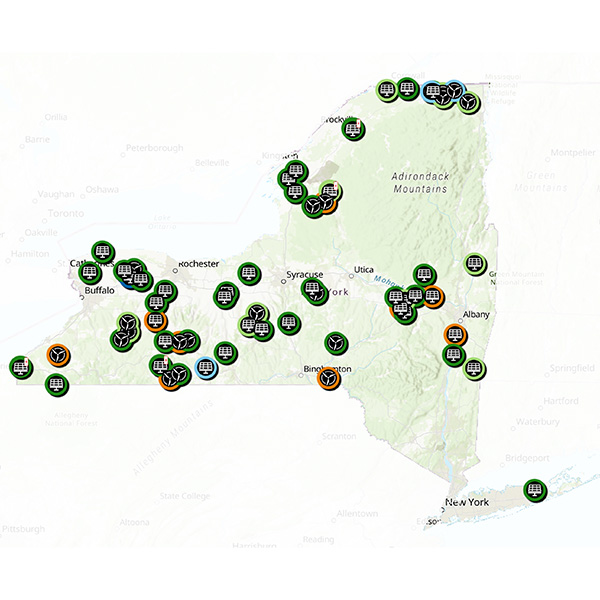
The New York Public Service Commission said the regulations it has approved will reduce permitting time for transmission projects by up to 50%.
Shutterstock
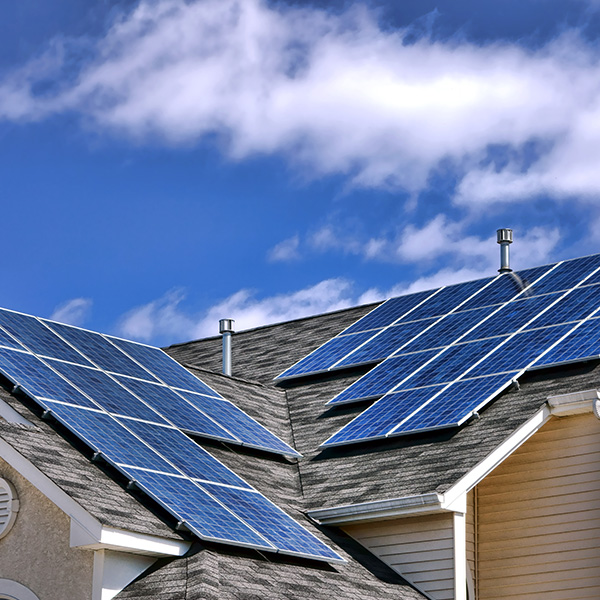
The New York Public Service Commission issued new interconnection rules for distributed energy resource developers and utilities aimed at capturing as many expiring Inflation Reduction Act tax credits as possible for wind, solar and storage projects.
NextEra Energy
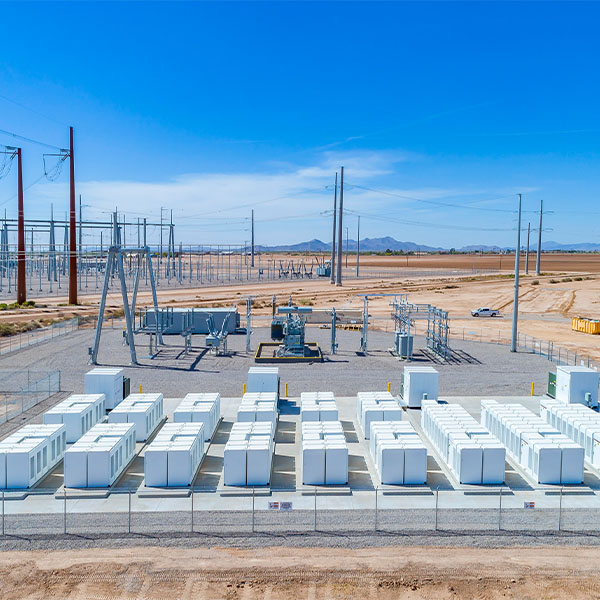
NextEra Energy Resources brought 7.2 GW of new generation and storage into operation and added 13.5 GW to its backlog in 2025.
Want more? Advanced Search