NetZero Insider
Agriculture & Land UseBuilding DecarbonizationCookingEnergy EfficiencySpace HeatingWater HeatingCommentary & Special ReportsConference coverageCompany NewsEquity & EconomicsEmployment & Economic ImpactEnvironmental & Social JusticeFederal PolicyCongressDepartment of EnergyLoan Programs Office (LPO)Department of TransportationEnvironmental Protection AgencyFederal Energy Regulatory CommissionGeneral Services Administration (GSA)Interior DepartmentBureau of Land ManagementBureau of Ocean Energy ManagementNuclear Regulatory CommissionTreasury DepartmentWhite HouseGeneration & FuelsBioenergyFossil FuelsCoalNatural GasGeothermalHydrogenNuclearSMRRenewable PowerCommunity solarHydropowerOffshore Wind PowerOnshore Wind PowerSolar PowerRooftop solarUtility scale solarImpact & AdaptationIndustrial DecarbonizationState and Local PolicyAlabamaArizonaCaliforniaCA LegislationCalifornia Air Resources Board (CARB)California Energy Commission (CEC)California Public Utilities Commission (CPUC)ColoradoConnecticutDelawareDistrict of ColumbiaFloridaGeorgiaHawaiiIdahoIllinoisIndianaKentuckyLouisianaMaineMarylandMassachusettsMichiganMinnesotaMississippiMissouriMontanaNevadaNew HampshireNew JerseyNew MexicoNew YorkNYSERDAPublic Service CommissionNorth CarolinaNorth DakotaOhioOntarioOregonPennsylvaniaRhode IslandSouth CarolinaTennesseeTexasUtahVermontVirginiaWashingtonWest VirginiaWisconsinWyomingTechnologyCarbon CaptureTransmission & DistributionEnergy StorageMicrogridsTransportation DecarbonizationAirplane DecarbonizationEV chargersHeavy-duty vehiclesBattery Electric Buses (BEB)Fuel Cell Electric Buses (FCEB)Light-duty vehiclesBattery Electric VehiclesFuel Cell VehiclesPlug-in hybrid electric vehiclesShip electrificationClean Ports

Shutterstock
The renewable energy industry and its advocates have initiated two more lawsuits against the Trump administration over its continuing campaign against wind and solar energy development.
The Imperial Irrigation District
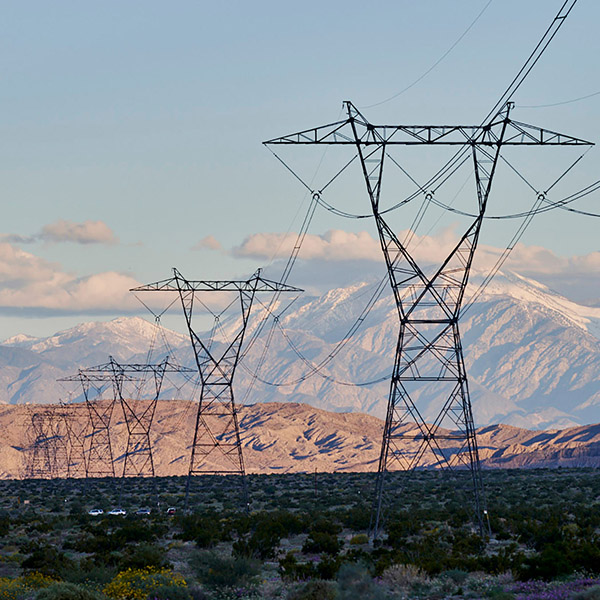
FERC defended Order 1920 against appeals in a brief filed Jan. 5, saying the transmission planning and cost allocation rule is firmly within its authority and builds on previous pathbreaking rulemakings like Orders 888 and 1000.
Constellation Energy
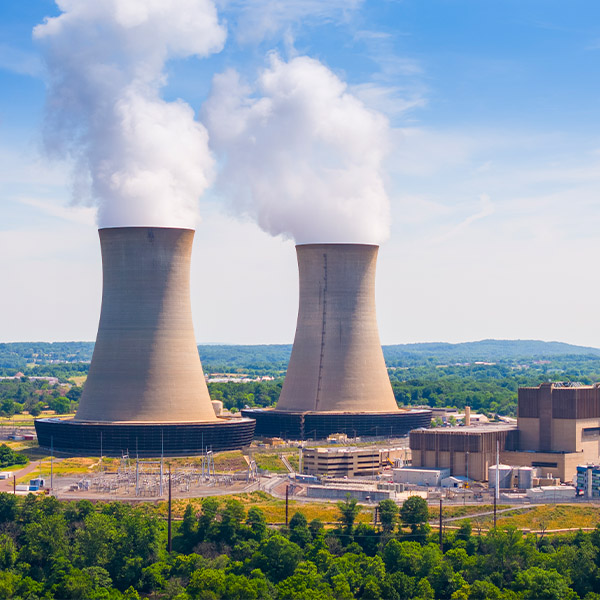
The Nuclear Regulatory Commission said its approval of the digital upgrade at Constellation Energy’s Limerick Clean Energy Center paves the way for instrumentation and control modernization across the U.S. commercial fleet.
Orano
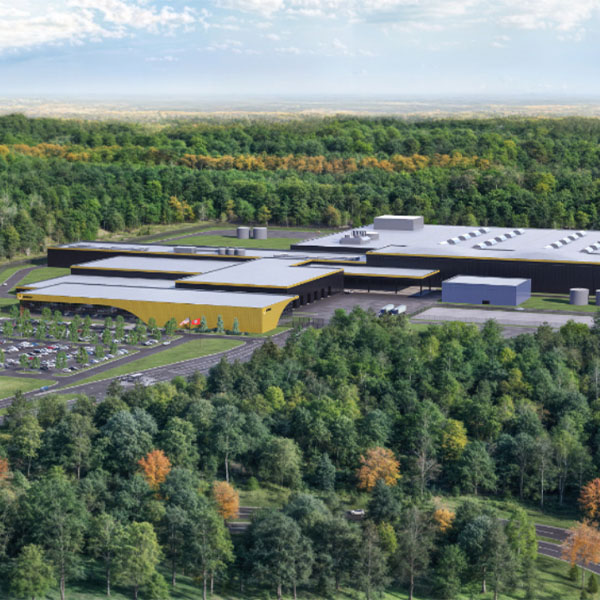
The U.S. Department of Energy has awarded $900 million each to three companies to help expand the nation’s uranium enrichment capabilities.
Ørsted
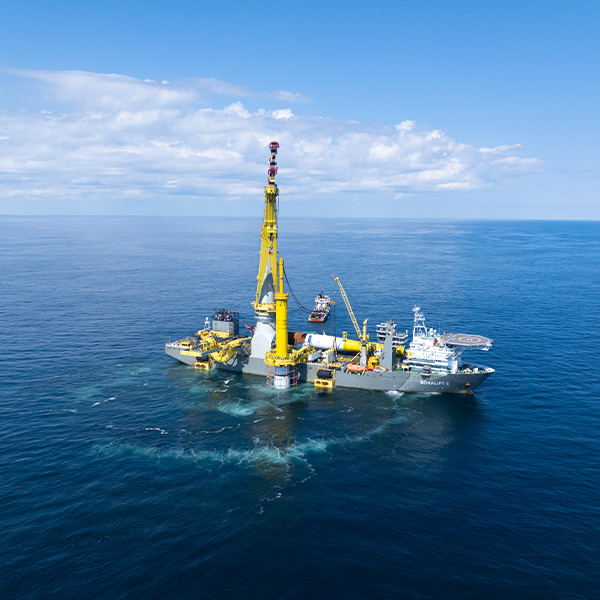
Three of the four developers building wind farms in U.S. waters are challenging the Trump administration’s Dec. 22 order suspending all such construction.
Diamond Generating LLC
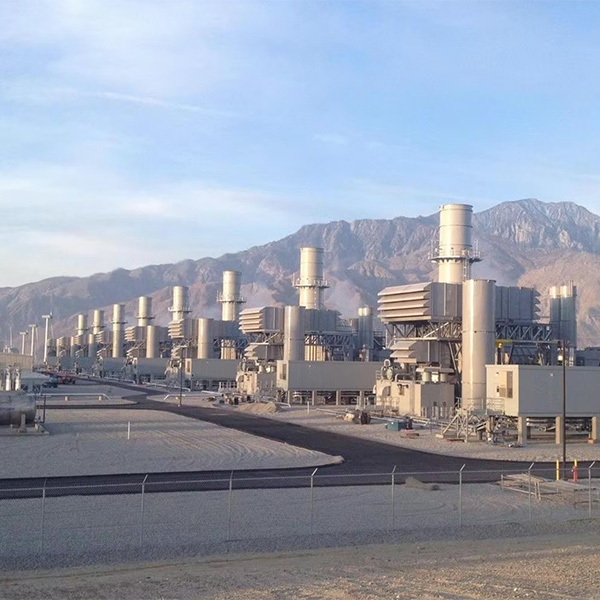
Flexibility will be a core attribute of the various scenarios and solutions being discussed to meet the snowballing estimates of U.S. electric power demand, says columnist K Kaufmann.
Northwoods Resort
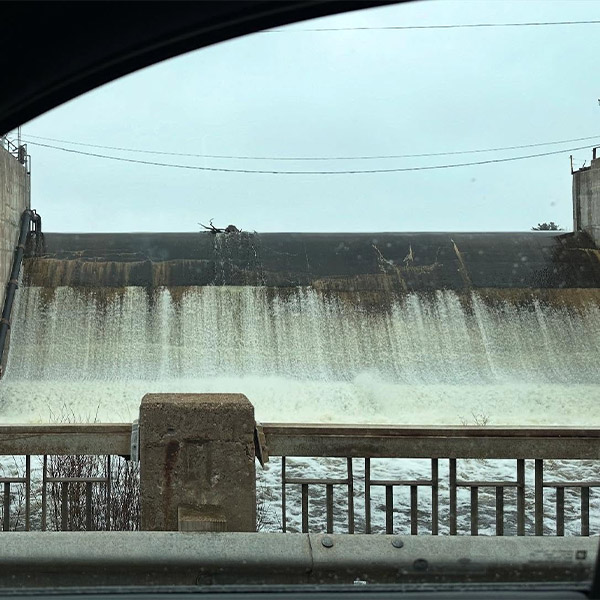
FERC revoked the operating license for a troubled dam in Michigan’s Upper Peninsula, citing a failure to address safety issues that could cost lives and the owner’s loss of land in bankruptcy proceedings.
Shutterstock
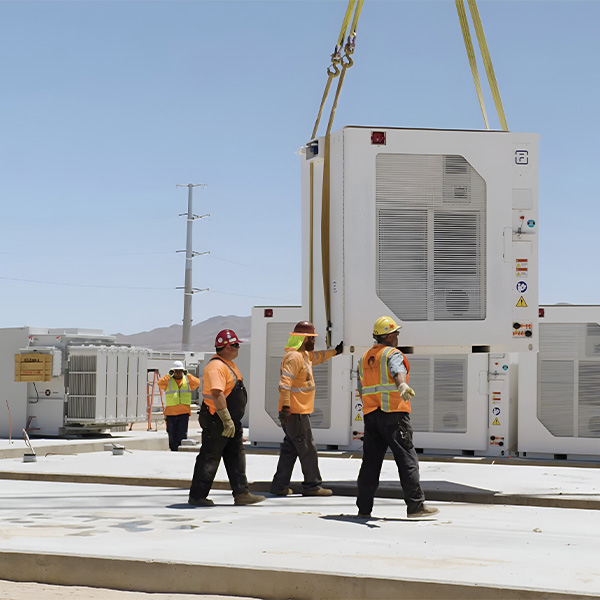
In 2026, utility-scale energy storage projects in the U.S. will face headwinds that could slow the pace of a technology that is fast becoming a global grid staple, warns columnist Dej Knuckey.

Dominion Energy
The Trump administration has ordered all offshore wind generation construction halted and has stalled some onshore wind projects.
© RTO Insider
As NV Energy prepares to file its next integrated resource plan ahead of schedule in April, the company says it will take longer than previously planned to reduce its reliance on short-term market purchases.
Want more? Advanced Search