
NetZero Insider
Agriculture & Land UseBuilding DecarbonizationCookingEnergy EfficiencySpace HeatingWater HeatingCommentary & Special ReportsConference coverageCompany NewsEquity & EconomicsEmployment & Economic ImpactEnvironmental & Social JusticeFederal PolicyCongressDepartment of EnergyLoan Programs Office (LPO)Department of TransportationEnvironmental Protection AgencyFederal Energy Regulatory CommissionGeneral Services Administration (GSA)Interior DepartmentBureau of Land ManagementBureau of Ocean Energy ManagementNuclear Regulatory CommissionTreasury DepartmentWhite HouseGeneration & FuelsBioenergyFossil FuelsCoalNatural GasGeothermalHydrogenNuclearSMRRenewable PowerCommunity solarHydropowerOffshore Wind PowerOnshore Wind PowerSolar PowerRooftop solarUtility scale solarImpact & AdaptationIndustrial DecarbonizationState and Local PolicyAlabamaArizonaCaliforniaCA LegislationCalifornia Air Resources Board (CARB)California Energy Commission (CEC)California Public Utilities Commission (CPUC)ColoradoConnecticutDelawareDistrict of ColumbiaFloridaGeorgiaHawaiiIdahoIllinoisIndianaKentuckyLouisianaMaineMarylandMassachusettsMichiganMinnesotaMississippiMissouriMontanaNevadaNew HampshireNew JerseyNew MexicoNew YorkNYSERDAPublic Service CommissionNorth CarolinaNorth DakotaOhioOntarioOregonPennsylvaniaRhode IslandSouth CarolinaTennesseeTexasUtahVermontVirginiaWashingtonWest VirginiaWisconsinWyomingTechnologyCarbon CaptureTransmission & DistributionEnergy StorageMicrogridsTransportation DecarbonizationAirplane DecarbonizationEV chargersHeavy-duty vehiclesBattery Electric Buses (BEB)Fuel Cell Electric Buses (FCEB)Light-duty vehiclesBattery Electric VehiclesFuel Cell VehiclesPlug-in hybrid electric vehiclesShip electrificationClean Ports

Shutterstock
New Jersey regulators plan a new solicitation for the state’s Competitive Solar Incentive program on Oct. 1 after rejecting initial bids as too expensive.
© RTO Insider LLC
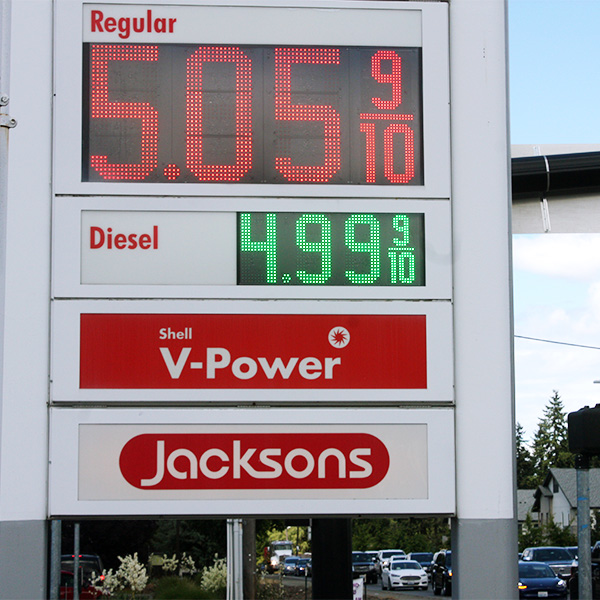
Critics of Washington’s cap-and-trade system blame it for the state's high gas prices, but defenders say other factors are at play too.
MDE/CGS
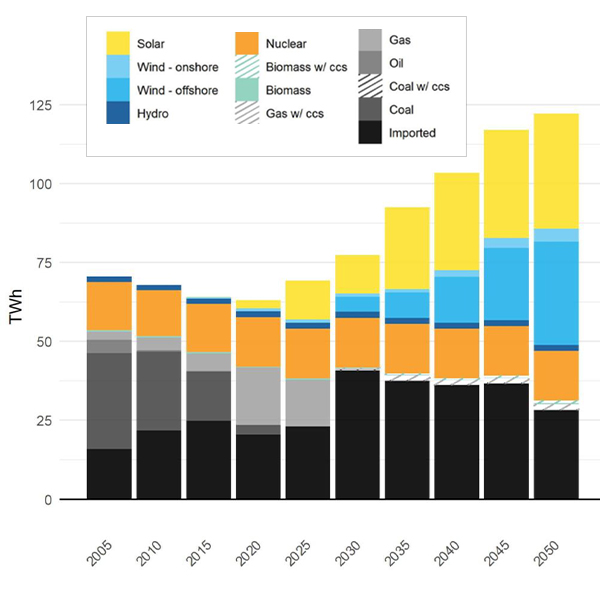
A report lays out a long list of actions Maryland could take to reach the GHG-reduction and clean energy targets set out in its climate law.

Shutterstock
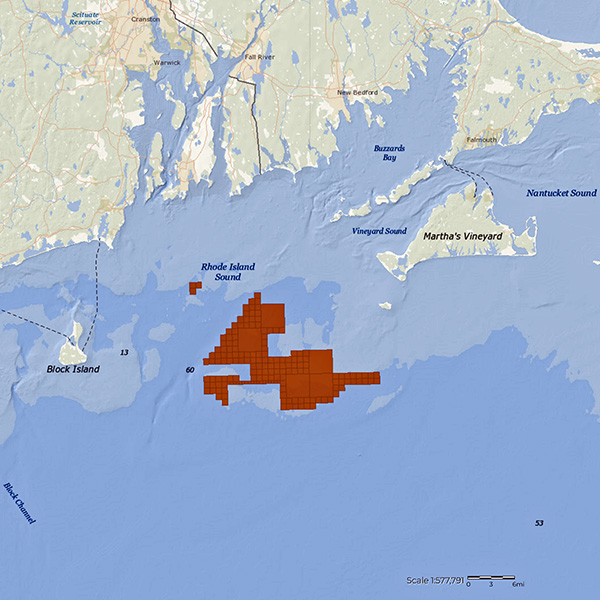
Rhode Island Energy explained that the power purchase agreement proposed would be too expensive for consumers, vows to continue efforts to bring offshore wind to state.
BOEM
The BOEM environmental impact statement predicts Revolution Wind will have major negative impacts on fisheries, views from shore and other metrics.
Massachusetts Executive Office of Energy and Environmental Affairs
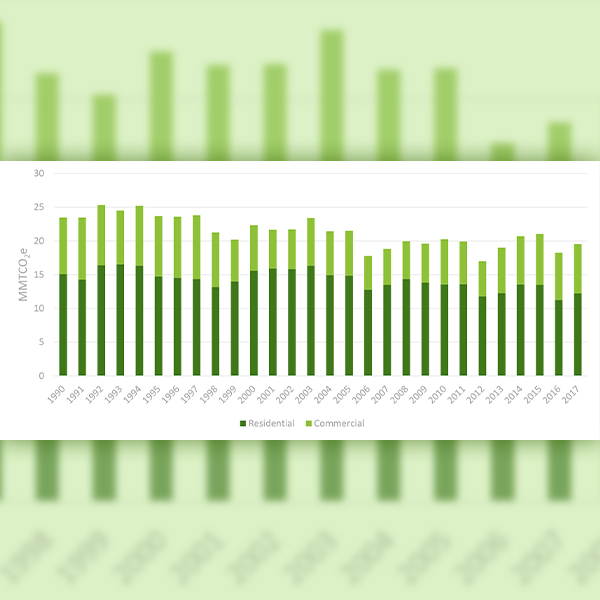
City officials and climate advocates spoke in favor of bills promoting electrification and fossil fuel bans in new buildings, facing opposition from industry representatives and gas workers.
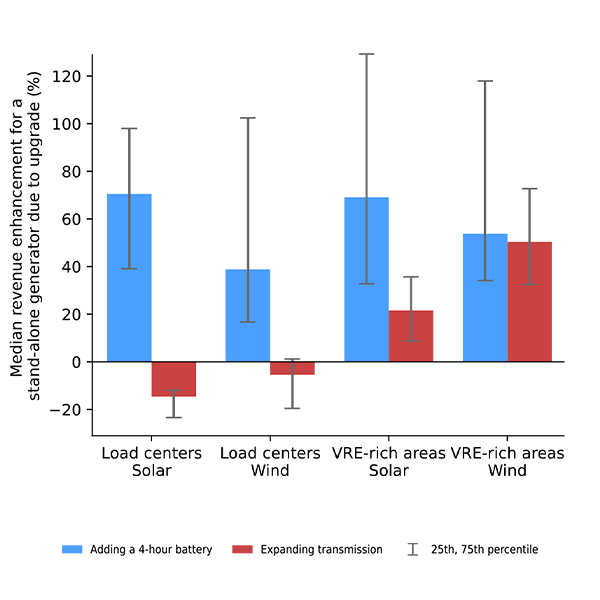
Berkeley Lab
A new Berkeley Lab report weighs the benefits of storage versus transmission for wind and solar projects.
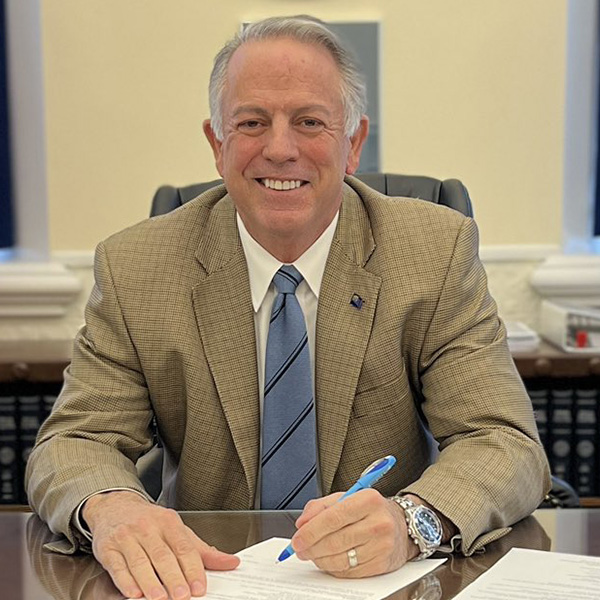
Gov. Joe Lombardo
Nevada Gov. Joe Lombardo withdrew the state from the U.S. Climate Alliance, citing a conflict between their goals and his regarding Nevada's energy portfolio.
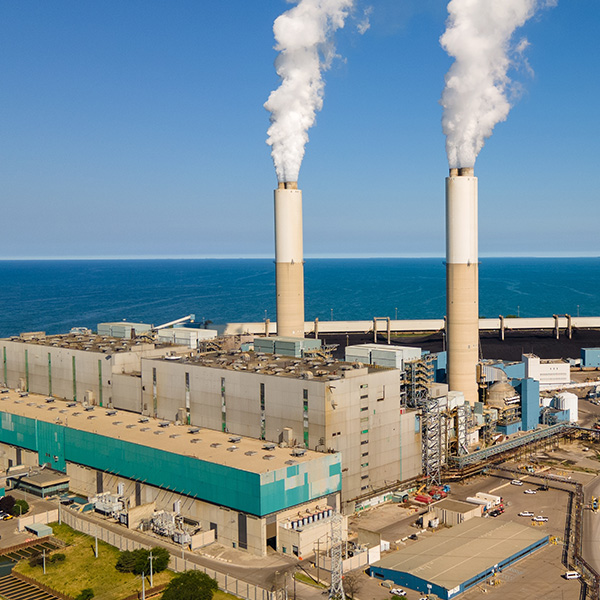
Shutterstock
DTE Energy reached an agreement with Michigan officials and environmental groups to add more renewable power and phase out coal use by 2032.
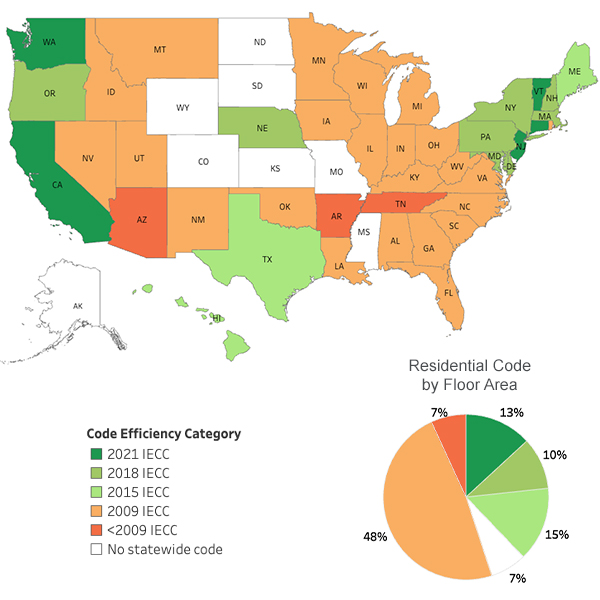
DOE Building Energy Codes Program
Heat waves with triple-digit temperatures across the U.S. underline the critical role building codes can play in making buildings more energy efficient and cutting greenhouse gas emissions.
Want more? Advanced Search
