NetZero Insider
Agriculture & Land UseBuilding DecarbonizationCookingEnergy EfficiencySpace HeatingWater HeatingCommentary & Special ReportsConference coverageCompany NewsEquity & EconomicsEmployment & Economic ImpactEnvironmental & Social JusticeFederal PolicyCongressDepartment of EnergyLoan Programs Office (LPO)Department of TransportationEnvironmental Protection AgencyFederal Energy Regulatory CommissionGeneral Services Administration (GSA)Interior DepartmentBureau of Land ManagementBureau of Ocean Energy ManagementNuclear Regulatory CommissionTreasury DepartmentWhite HouseGeneration & FuelsBioenergyFossil FuelsCoalNatural GasGeothermalHydrogenNuclearSMRRenewable PowerCommunity solarHydropowerOffshore Wind PowerOnshore Wind PowerSolar PowerRooftop solarUtility scale solarImpact & AdaptationIndustrial DecarbonizationState and Local PolicyAlabamaArizonaCaliforniaCA LegislationCalifornia Air Resources Board (CARB)California Energy Commission (CEC)California Public Utilities Commission (CPUC)ColoradoConnecticutDelawareDistrict of ColumbiaFloridaGeorgiaHawaiiIdahoIllinoisIndianaKentuckyLouisianaMaineMarylandMassachusettsMichiganMinnesotaMississippiMissouriMontanaNevadaNew HampshireNew JerseyNew MexicoNew YorkNYSERDAPublic Service CommissionNorth CarolinaNorth DakotaOhioOntarioOregonPennsylvaniaRhode IslandSouth CarolinaTennesseeTexasUtahVermontVirginiaWashingtonWest VirginiaWisconsinWyomingTechnologyCarbon CaptureTransmission & DistributionEnergy StorageMicrogridsTransportation DecarbonizationAirplane DecarbonizationEV chargersHeavy-duty vehiclesBattery Electric Buses (BEB)Fuel Cell Electric Buses (FCEB)Light-duty vehiclesBattery Electric VehiclesFuel Cell VehiclesPlug-in hybrid electric vehiclesShip electrificationClean Ports
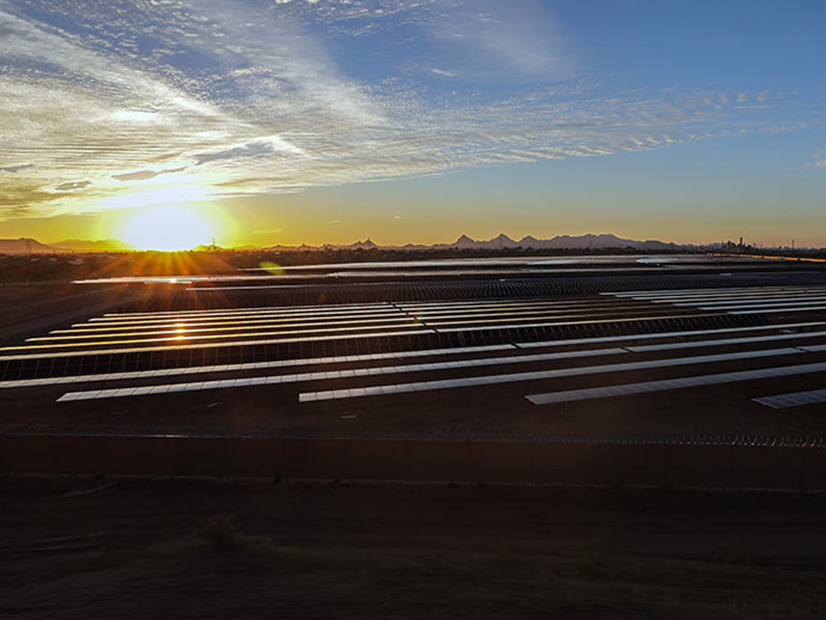
Tucson Electric Power
Arizona regulators have repealed the renewable energy standard for electric utilities in the state, saying it's time for renewables to "stand on their own two feet."

Shutterstock
The New Jersey Board of Public Utilities approved the state’s first incentivized storage projects and launched new community and grid-scale solar solicitations.
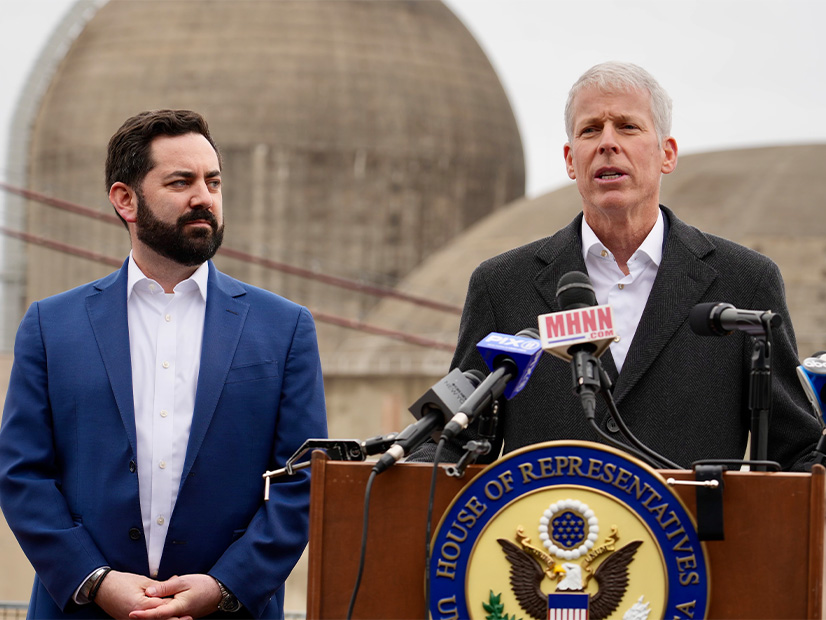
U.S. Rep. Mike Lawler
No specifics are being offered, and the site’s owner indicates significant financial and political support must be established before such a restart of Indian Point could be considered.
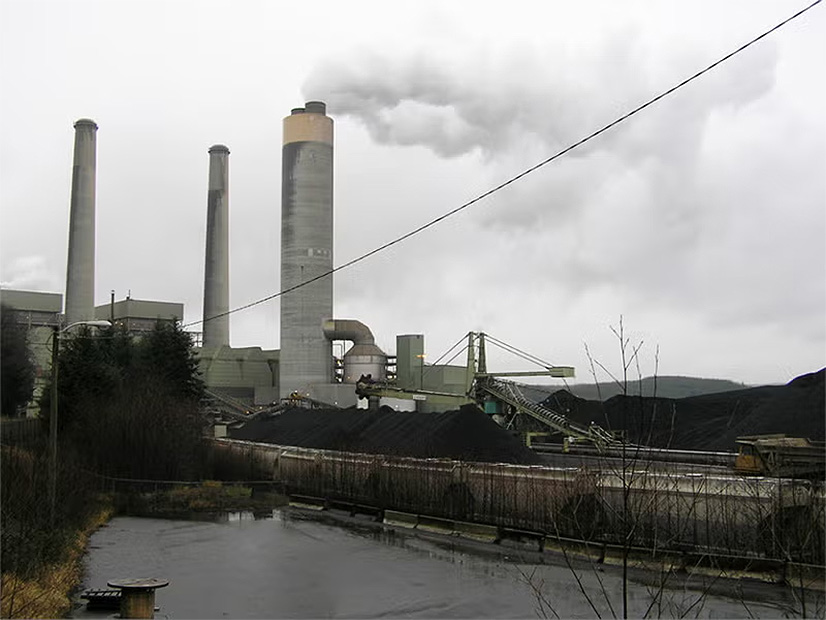
Earthjustice
Washington’s attorney general and a coalition of public interest organizations filed separate lawsuits to overturn the Department of Energy’s order requiring TransAlta to continue operating the state’s last coal-fired plant beyond its scheduled retirement.
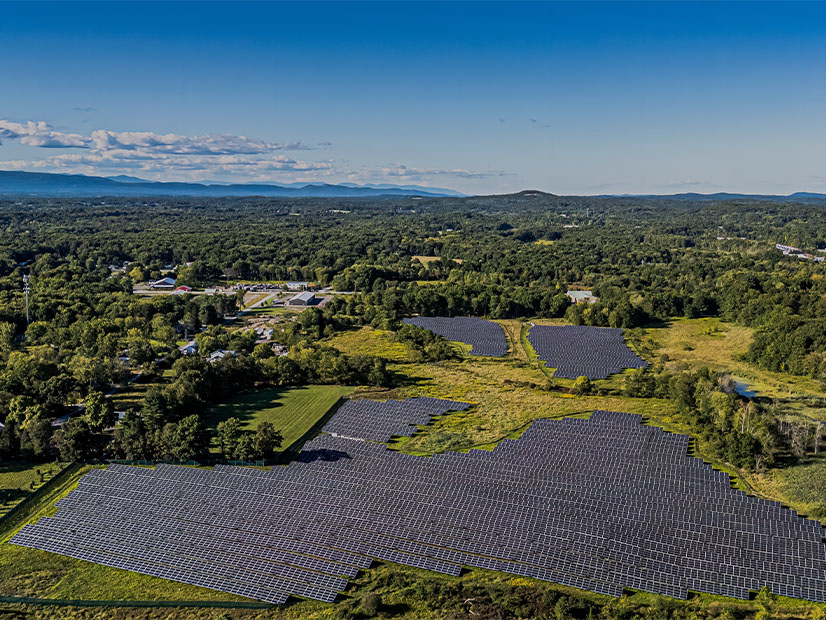
Shutterstock
The state authority managing New York’s clean-energy transition estimated one part of complying with the state’s climate law could carry a gross impact of more than $4,000 per year per household in some cases.
PSEG
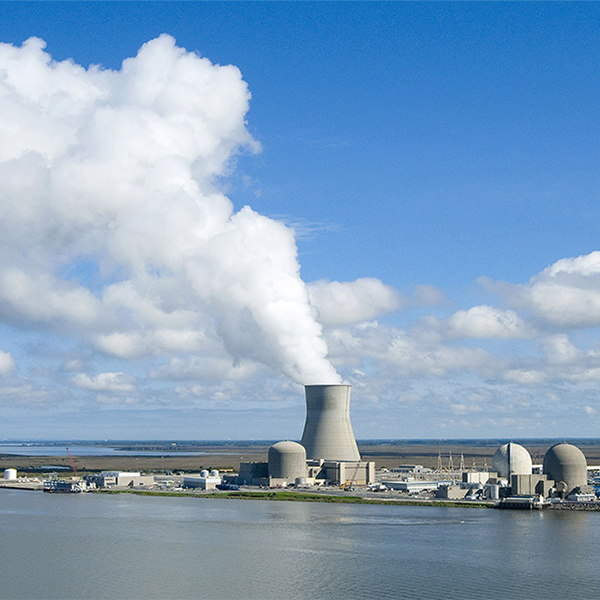
PSEG is working to meet the energy needs expressed by New Jersey Gov. Mikie Sherrill and is gearing up to help with the potential expansion of the state’s nuclear and gas generation fleet.
© RTO Insider
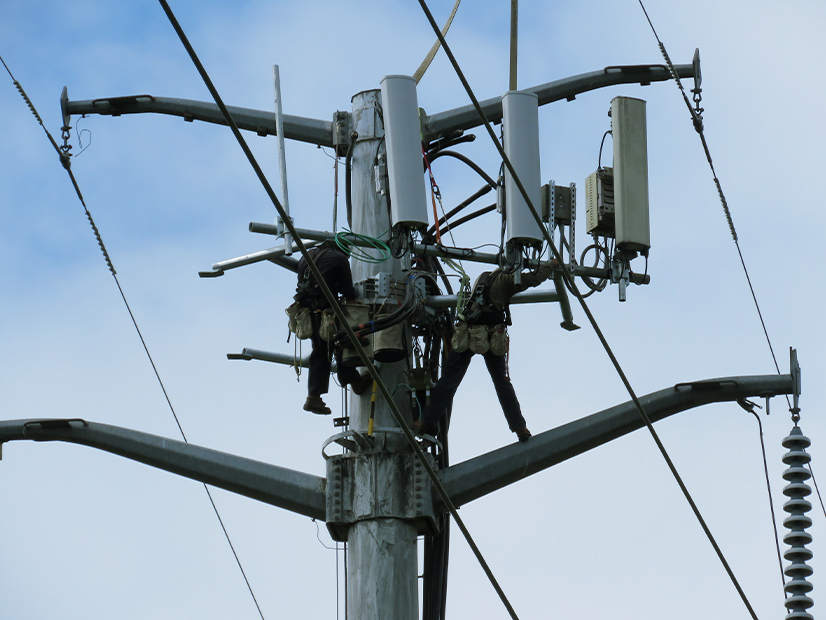
New Jersey is studying whether to use funds from the Regional Greenhouse Gas Initiative to keep down electricity rates and restructure the way utilities are compensated in an effort to reduce the pressure on electricity prices.
Shutterstock
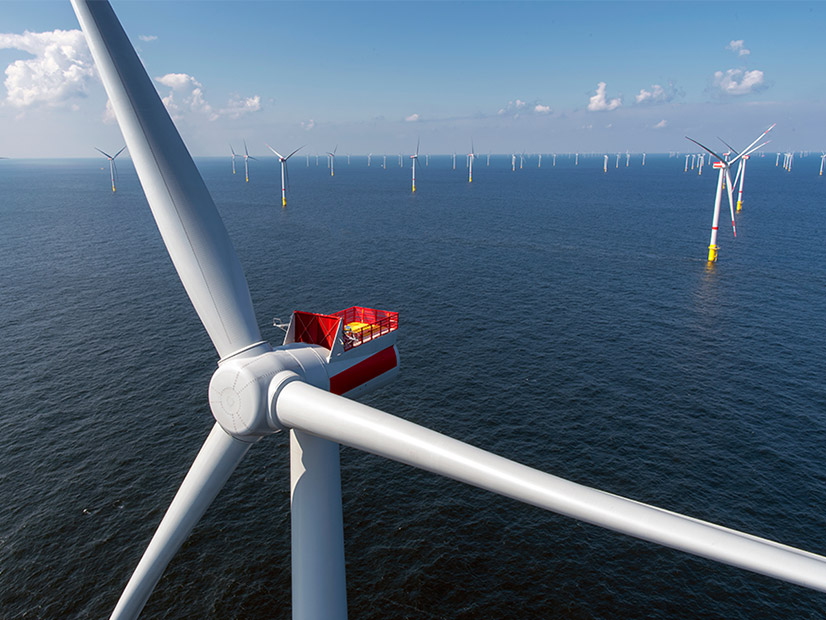
Oregon released a draft road map to provide state lawmakers with recommendations on how to proceed with offshore wind endeavors, while acknowledging the uncertainty the industry faces.
CEC
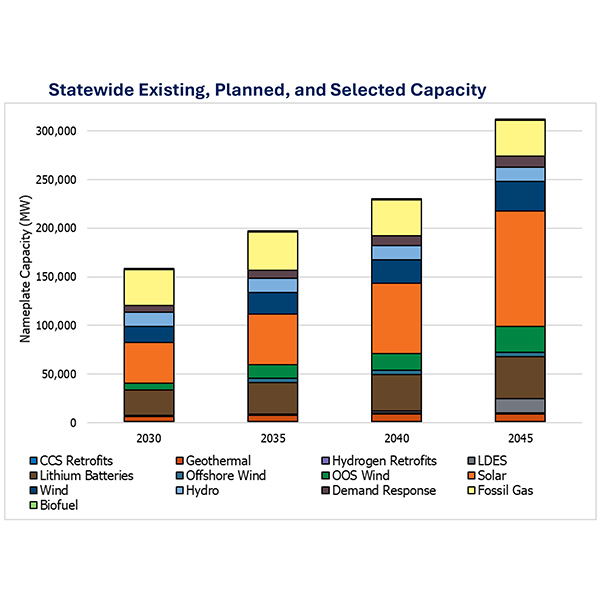
Solar and wind resources could generate up to 85% of California’s electricity by 2045, according to a report being drafted by the energy commission.
Dominion Energy
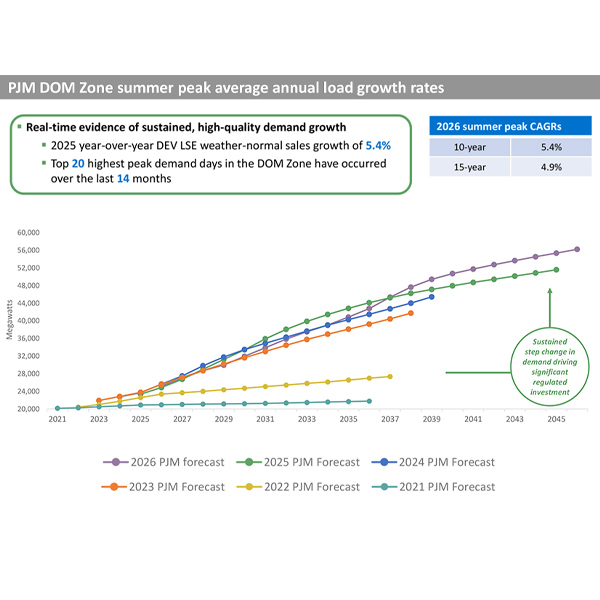
Dominion Energy updated analysts on its efforts to complete a major offshore wind project and to meet rising demand from data centers on its fourth-quarter earnings call.
Want more? Advanced Search