
NetZero Insider
Agriculture & Land UseBuilding DecarbonizationCookingEnergy EfficiencySpace HeatingWater HeatingCommentary & Special ReportsConference coverageCompany NewsEquity & EconomicsEmployment & Economic ImpactEnvironmental & Social JusticeFederal PolicyCongressDepartment of EnergyLoan Programs Office (LPO)Department of TransportationEnvironmental Protection AgencyFederal Energy Regulatory CommissionGeneral Services Administration (GSA)Interior DepartmentBureau of Land ManagementBureau of Ocean Energy ManagementNuclear Regulatory CommissionTreasury DepartmentWhite HouseGeneration & FuelsBioenergyFossil FuelsCoalNatural GasGeothermalHydrogenNuclearSMRRenewable PowerCommunity solarHydropowerOffshore Wind PowerOnshore Wind PowerSolar PowerRooftop solarUtility scale solarImpact & AdaptationIndustrial DecarbonizationState and Local PolicyAlabamaArizonaCaliforniaCA LegislationCalifornia Air Resources Board (CARB)California Energy Commission (CEC)California Public Utilities Commission (CPUC)ColoradoConnecticutDelawareDistrict of ColumbiaFloridaGeorgiaHawaiiIdahoIllinoisIndianaKentuckyLouisianaMaineMarylandMassachusettsMichiganMinnesotaMississippiMissouriMontanaNevadaNew HampshireNew JerseyNew MexicoNew YorkNYSERDAPublic Service CommissionNorth CarolinaNorth DakotaOhioOntarioOregonPennsylvaniaRhode IslandSouth CarolinaTennesseeTexasUtahVermontVirginiaWashingtonWest VirginiaWisconsinWyomingTechnologyCarbon CaptureTransmission & DistributionEnergy StorageMicrogridsTransportation DecarbonizationAirplane DecarbonizationEV chargersHeavy-duty vehiclesBattery Electric Buses (BEB)Fuel Cell Electric Buses (FCEB)Light-duty vehiclesBattery Electric VehiclesFuel Cell VehiclesPlug-in hybrid electric vehiclesShip electrificationClean Ports
Consumers Energy
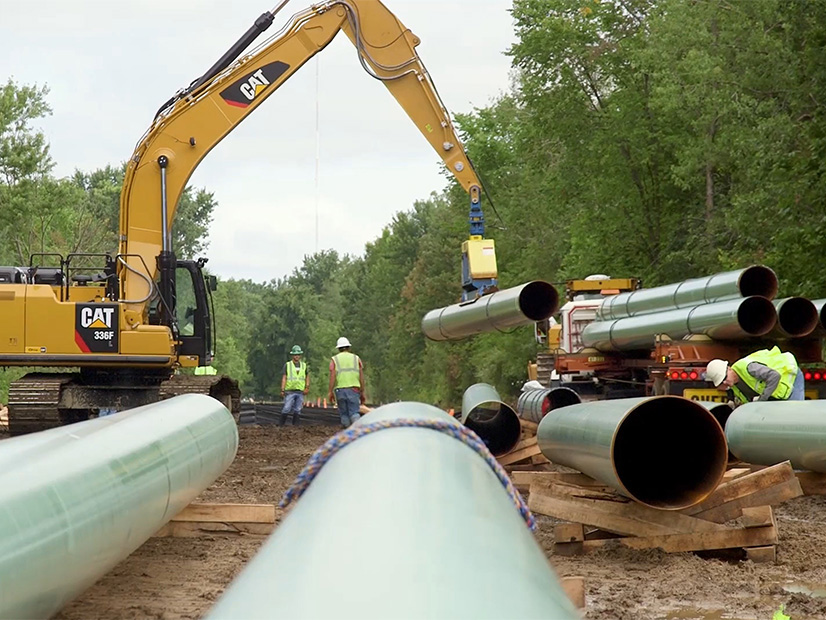
Massachusetts’ new Office of Energy Transformation will focus on cutting peaker plant emissions, eliminating the state’s reliance on the Everett Marine Terminal LNG import facility, and financing distribution grid upgrades that minimizes costs.
Shutterstock
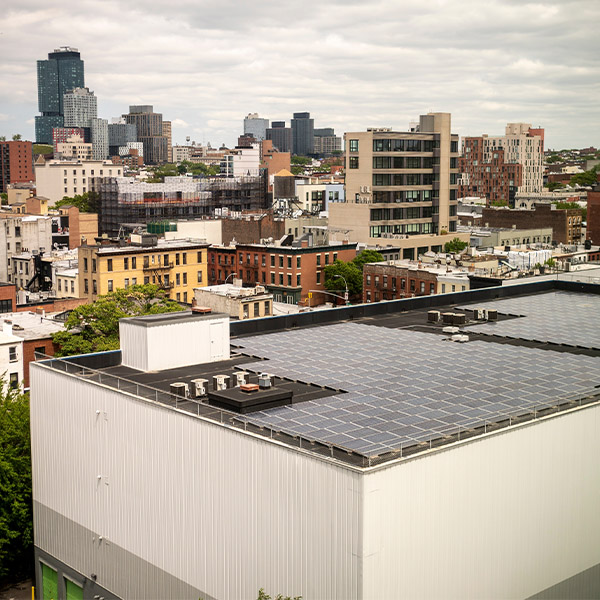
The architects of New York’s clean energy transition are predicting the state will fall short of its 70%-by-2030 renewable energy target, perhaps far short, and are suggesting ways to catch up in the early 2030s.

U.S. Forest Service
Lawmakers are poised to place on the November ballot a $10 billion climate resilience bond measure that would provide $850 million for clean energy projects, including offshore wind.
Venture Global LNG
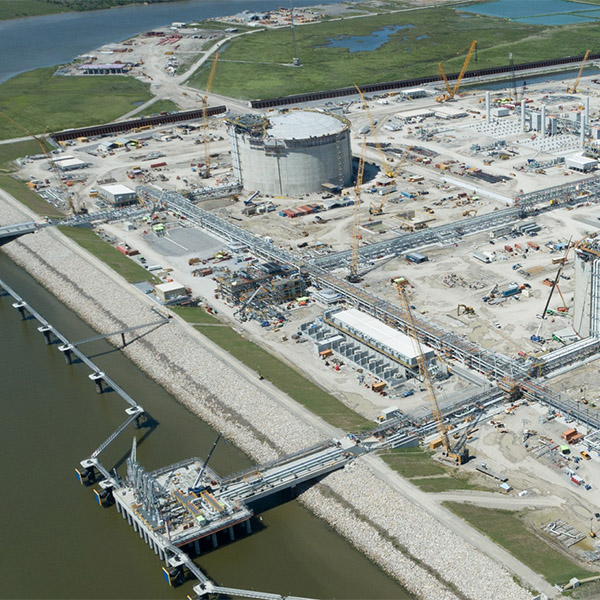
The U.S. District Court for Western Louisiana issued a stay on the Biden administration’s pause in considering new applications for LNG export facilities.
BOEM
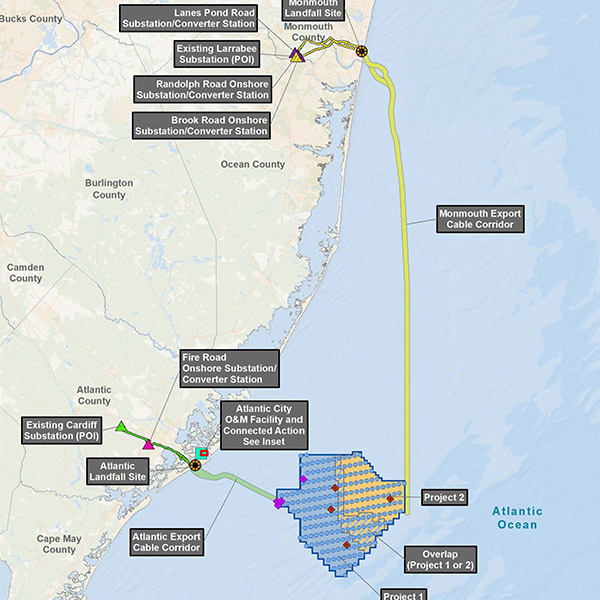
The Bureau of Ocean Energy Management has given the go-ahead to New Jersey’s foremost offshore wind project, the 1,510-MW Atlantic Shores Offshore Wind.
Avangrid
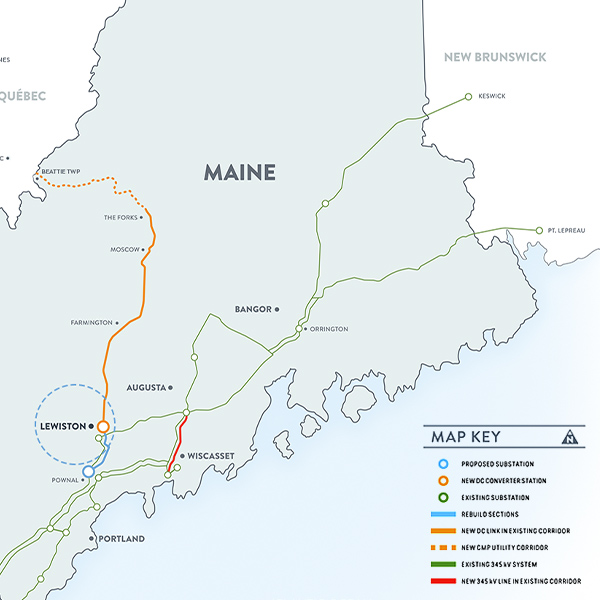
Construction on Avangrid’s hotly contested New England Clean Energy Connect transmission project has made significant progress following a two-year pause, according to a filing submitted to the Maine Public Utilities Commission.
BloombergNEF
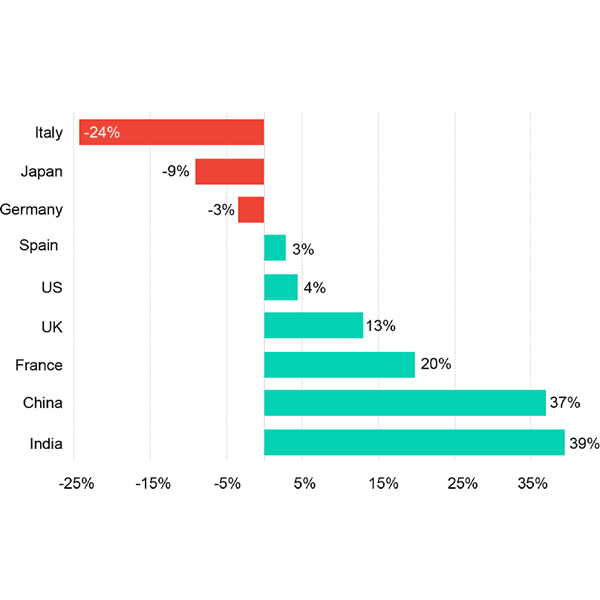
About 20% of all vehicles sold worldwide this year will have a plug ― either battery electric or plug-in hybrid ― with sales predicted to rise to one-third by 2027.
BOEM
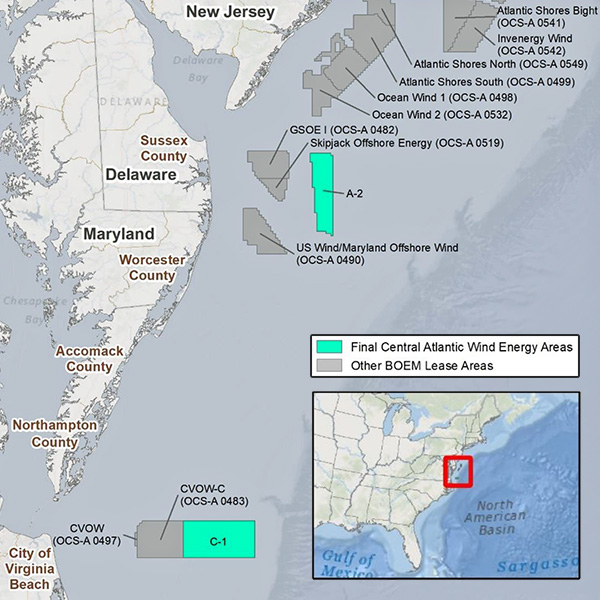
This auction is the first in a series of a dozen offshore wind lease sales tentatively scheduled by BOEM through the end of 2028.
BOEM
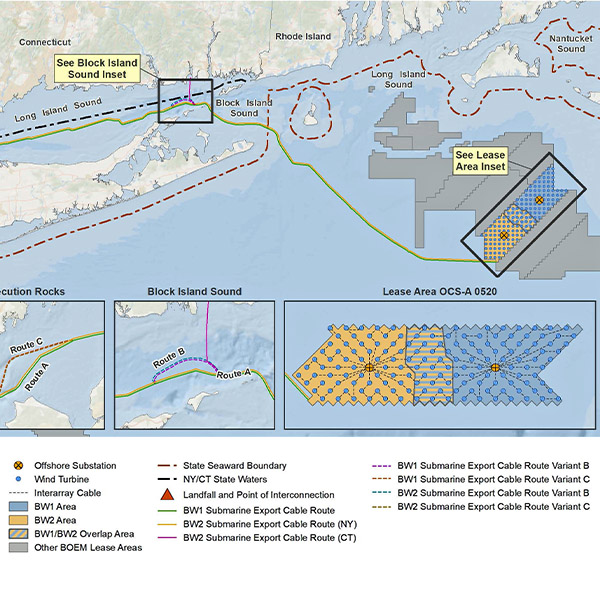
Bp is reported to be taking a timeout on offshore wind so it can refocus on oil and gas.
Shutterstock
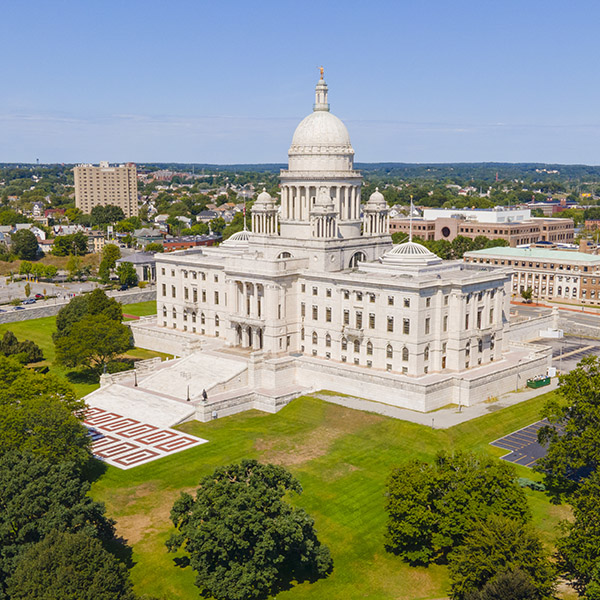
Rhode Island Gov. Dan McKee signed into law a bill that sets a target of 90 MW of energy storage installed by Dec. 31, 2026; 195 MW by the end of 2028; and 600 MW by the end of 2033.
Want more? Advanced Search
