State and Local Policy
AlabamaArizonaCaliforniaCA LegislationCalifornia Air Resources Board (CARB)California Energy Commission (CEC)California Public Utilities Commission (CPUC)ColoradoConnecticutDelawareDistrict of ColumbiaFloridaGeorgiaHawaiiIdahoIllinoisIndianaKentuckyLouisianaMaineMarylandMassachusettsMichiganMinnesotaMississippiMissouriMontanaNevadaNew HampshireNew JerseyNew MexicoNew YorkNYSERDAPublic Service CommissionNorth CarolinaNorth DakotaOhioOntarioOregonPennsylvaniaRhode IslandSouth CarolinaTennesseeTexasUtahVermontVirginiaWashingtonWest VirginiaWisconsinWyoming
Atlantic Shores Offshore Wind
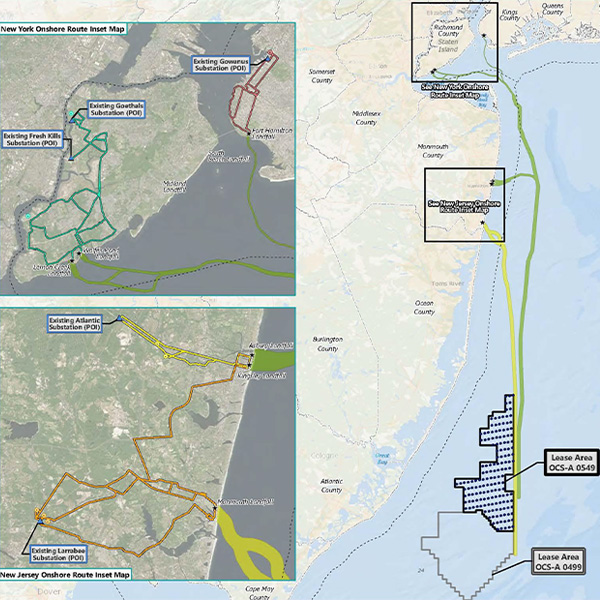
The developer of New Jersey’s most advanced offshore wind project is pushing ahead with a second project, as the state prepares to launch a new solicitation that could add as much as 4 GW in capacity.

© RTO Insider LLC
Federal and state policy paradigms are moving from a focus on promoting travel in single passenger vehicles to a broader understanding of different modes of mobility.
DOE
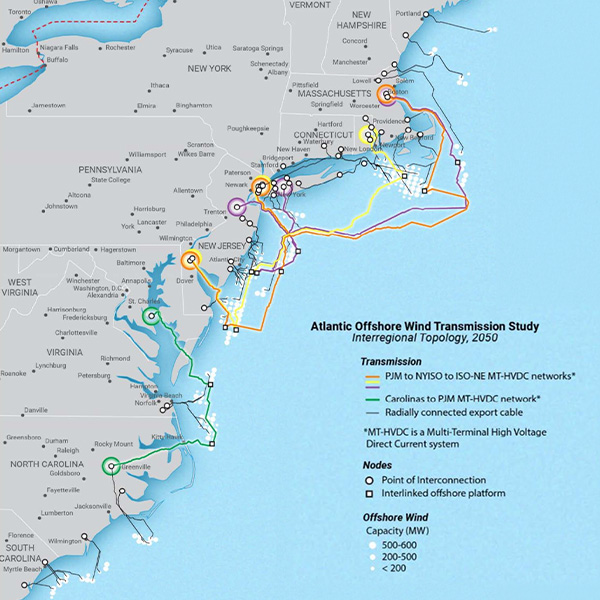
Offshore wind is projected to be a key part of East Coast states’ decarbonization and DOE called its two-year study the most thorough analysis to date.
Williamborg, CC-BY-SA 3.0, via Wikimedia Commons
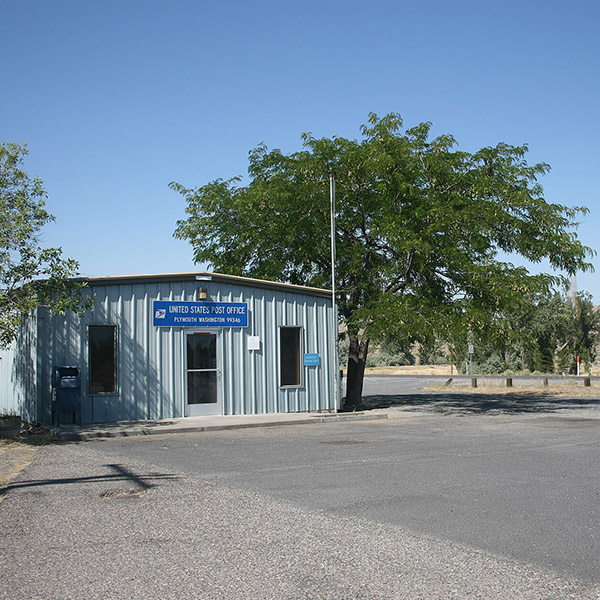
The Wallula Gap project could also include an optional battery energy storage system not to exceed the nameplate capacity of the facility.
Sun Valley Solar Solutions
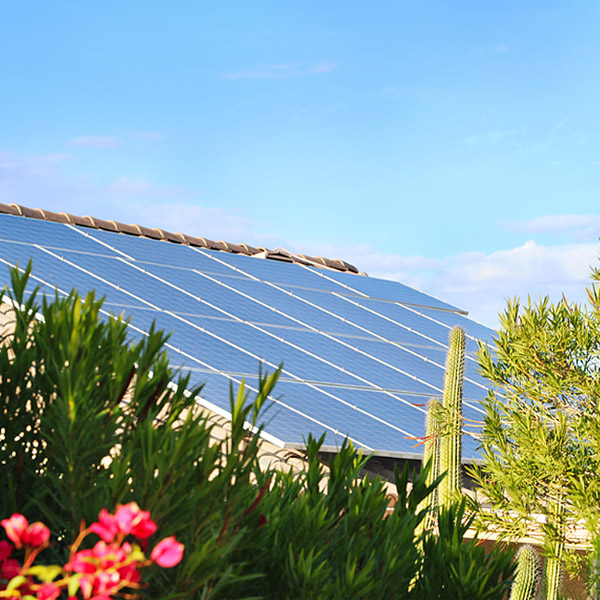
FERC declined to act on a petition that accused the Salt River Project of violating PURPA with rates that discriminate against customers with rooftop solar.

© RTO Insider LLC
An event by Advanced Energy United drew connections between the infrastructure needs of the clean energy transition and Boston’s Big Dig highway project.
California Energy Commission
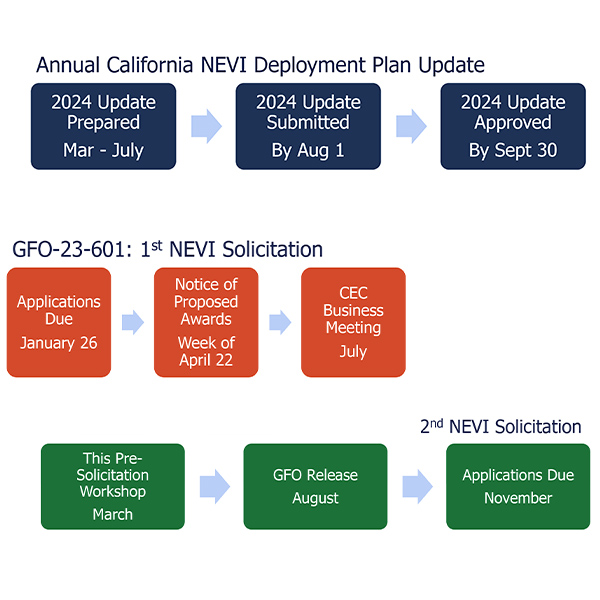
California officials are exploring how to improve the process for dispensing hundreds of millions in federal funding to construct a public network of electric vehicle charging stations.
Port of Seattle
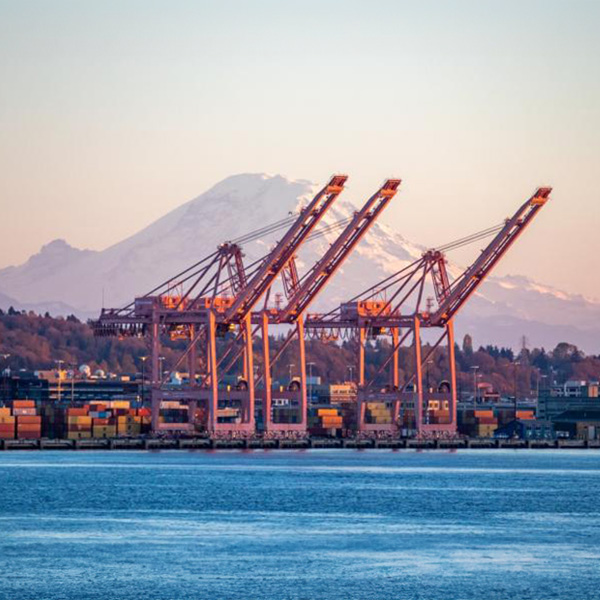
Washington could be closer to joining the California-Québec carbon market after the three governments issued a statement saying they will explore linking their cap-and-trade systems.

Shutterstock
Bills moving forward could introduce voluntary time-of-use rates in the state, disclosure statements about green power and point-of-sale EV rebates.

© RTO Insider LLC
Building decarbonization is at once critical for the environment, expensive for building owners and potentially taxing for the power grid.
Want more? Advanced Search