State and Local Policy
AlabamaArizonaCaliforniaCA LegislationCalifornia Air Resources Board (CARB)California Energy Commission (CEC)California Public Utilities Commission (CPUC)ColoradoConnecticutDelawareDistrict of ColumbiaFloridaGeorgiaHawaiiIdahoIllinoisIndianaKentuckyLouisianaMaineMarylandMassachusettsMichiganMinnesotaMississippiMissouriMontanaNevadaNew HampshireNew JerseyNew MexicoNew YorkNYSERDAPublic Service CommissionNorth CarolinaNorth DakotaOhioOntarioOregonPennsylvaniaRhode IslandSouth CarolinaTennesseeTexasUtahVermontVirginiaWashingtonWest VirginiaWisconsinWyoming

© RTO Insider LLC
The floating offshore wind projects envisioned for the West Coast will require a much more robust supply chain and system of ports, according to industry officials speaking at Oceantic Network’s Floating Offshore Wind Port and Vessel Summit.
Hydro-Québec
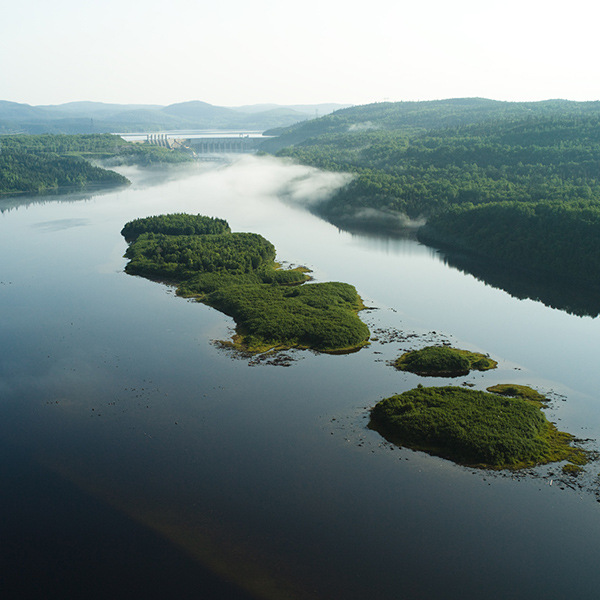
With the days of endless cheap hydropower in Québec coming to an end, and the Northeastern U.S. hoping to rapidly scale up intermittent renewables, the two regions may be forced to fundamentally reconsider the role of hydropower on the grid.
Dominion Energy
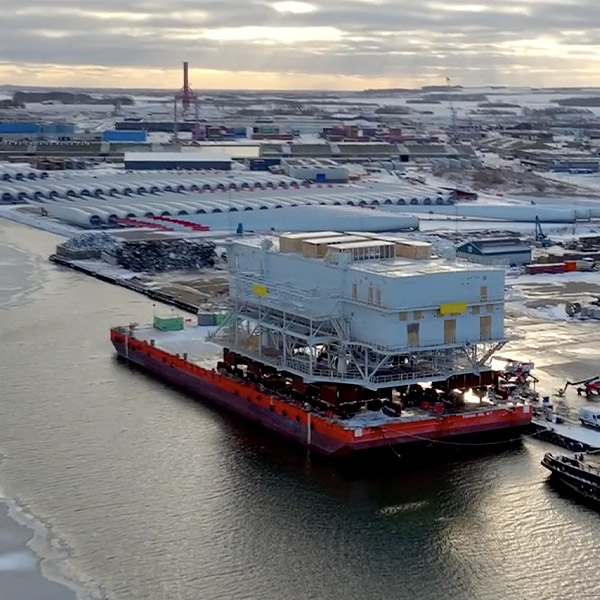
Dominion Energy reported earnings of $2 billion in 2023 and announced that it has closed on an equity partner for its Coastal Virginia Offshore Wind project.
State of Nevada
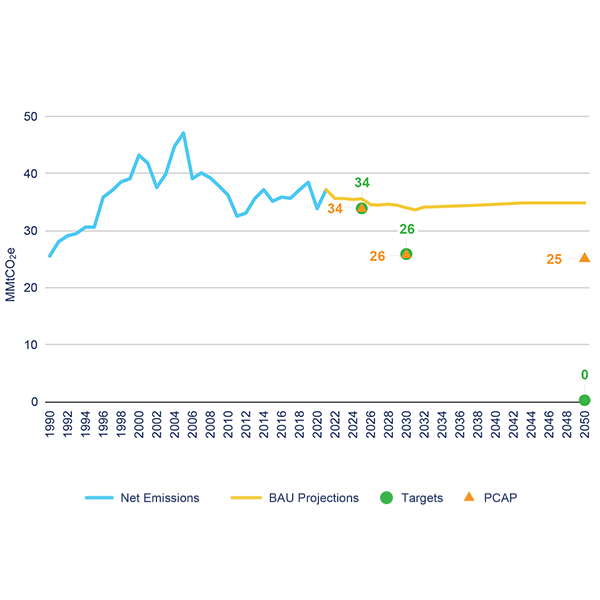
Nevada's Division of Environmental Protection received a $3 million federal grant to develop the strategy, known as the Priority Climate Action Plan.
Friends of Sears Island
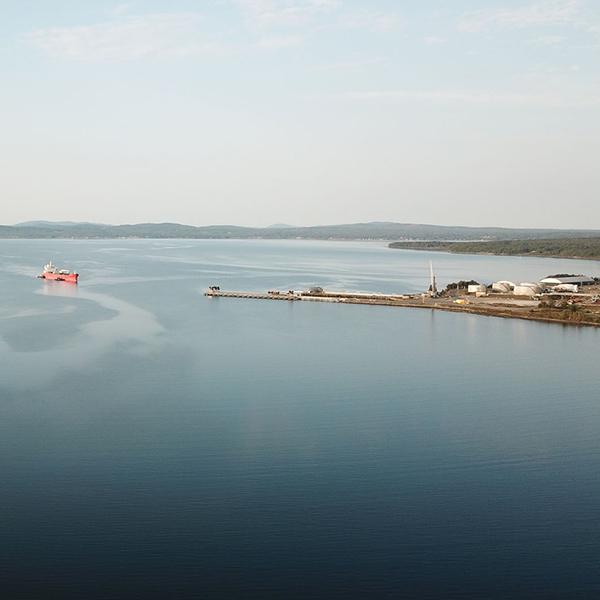
Sears Island on Maine’s central coast is the preferred site for a port to support the offshore wind farms state leaders hope will be built nearby.
Washington Senate Democrats
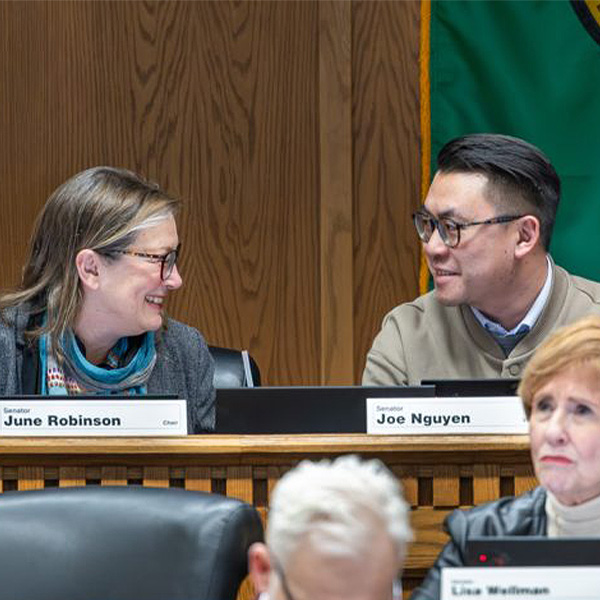
Washington legislators are proposing to give the state’s utilities $150 million to be rebated back to residents to help them defray costs associated with the state’s cap-and-invest program.
NJ DEP
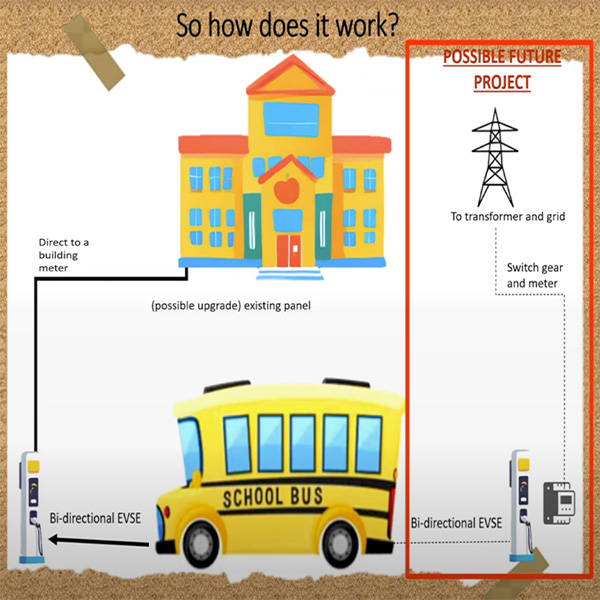
New Jersey does not allow electric buses to send electricity directly to the grid, but a program offers up to $50,000 in additional support for projects that use a “vehicle-to-building” strategy.
California Energy Commission
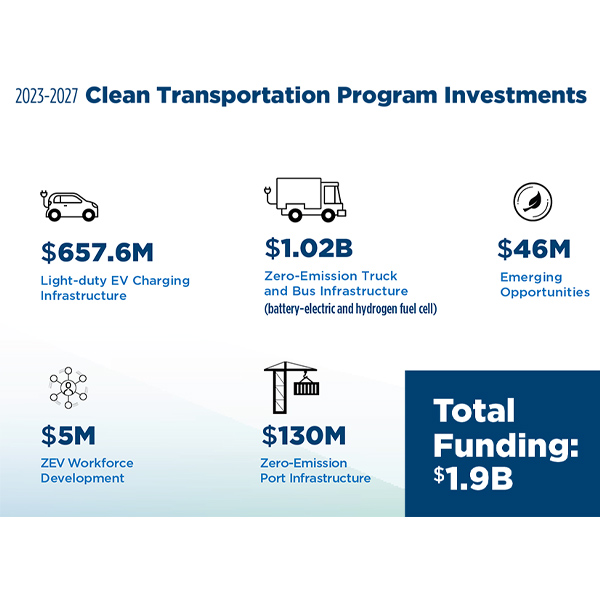
The California Energy Commission approved a plan for spending $1.85 billion over the next four years to expand zero-emission vehicle infrastructure across the state.
PSEG
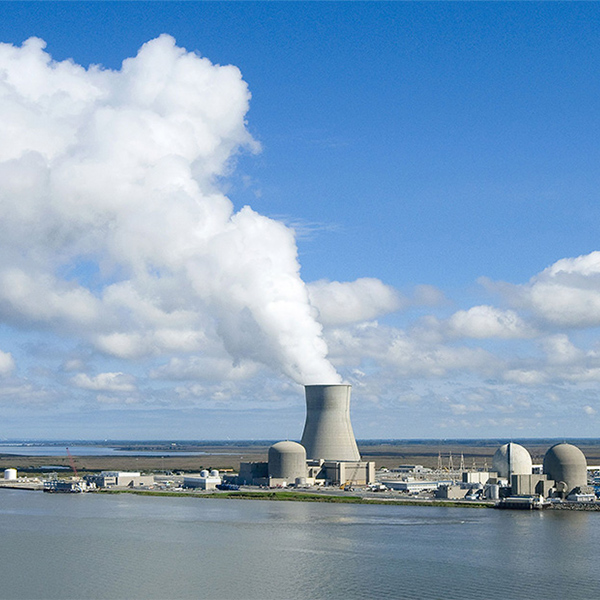
New Jersey shut down its third offering of nuclear subsidies after the operators of the state’s three nuclear plants opted to not apply for state subsidies as they seek federal support.
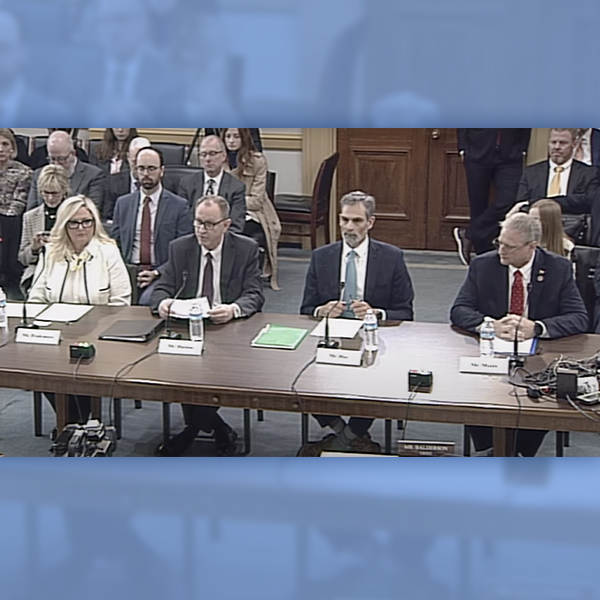
House Energy and Commerce Committee
House members and their state regulator witnesses split over how much an expanded transmission grid could enable a reliable transition to a low-carbon future.
Want more? Advanced Search