State and Local Policy
AlabamaArizonaCaliforniaCA LegislationCalifornia Air Resources Board (CARB)California Energy Commission (CEC)California Public Utilities Commission (CPUC)ColoradoConnecticutDelawareDistrict of ColumbiaFloridaGeorgiaHawaiiIdahoIllinoisIndianaKentuckyLouisianaMaineMarylandMassachusettsMichiganMinnesotaMississippiMissouriMontanaNevadaNew HampshireNew JerseyNew MexicoNew YorkNYSERDAPublic Service CommissionNorth CarolinaNorth DakotaOhioOntarioOregonPennsylvaniaRhode IslandSouth CarolinaTennesseeTexasUtahVermontVirginiaWashingtonWest VirginiaWisconsinWyoming

McCarthy Building Companies
Legislation that would give Michigan regulators siting authority for major renewable projects drew praise from supporters and outrage from opponents.
Green Mountain Power
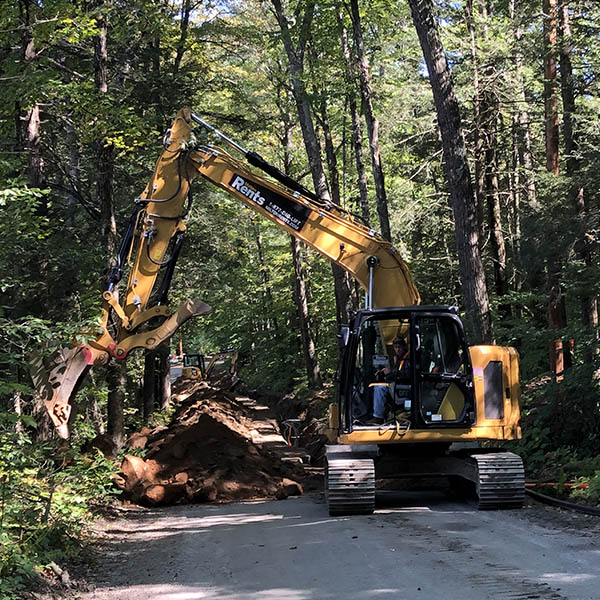
Green Mountain Power proposes to move some power lines underground and give customers in certain areas battery systems for storm resilience.

EDP Renewables
NYISO announced that the state broke its hourly wind generation record Sunday, generating 1,939 MW from 28 wind power facilities.
© RTO Insider LLC
Nine of the world's largest makers of building heating and cooling equipment have signed on to support California's goal of having 6 million new electric heat pumps by 2030.
Arup
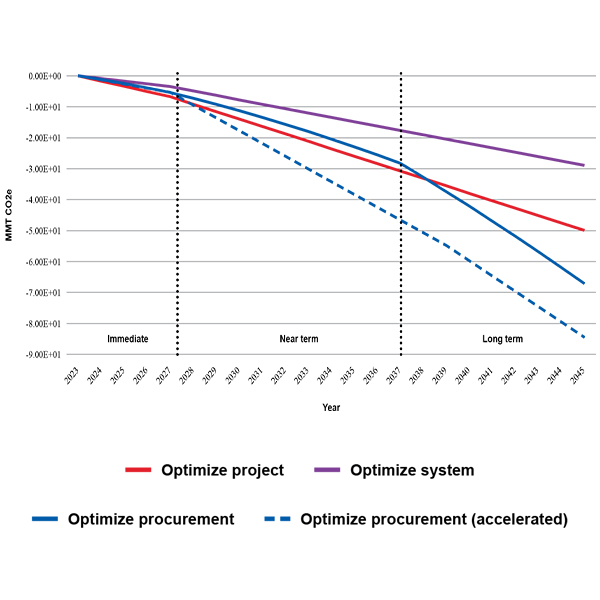
California needs both building-focused and material-focused approaches to driving down the embodied carbon in new construction if it is to reach its net zero goals, according to a new study.

© RTO Insider LLC
The American Clean Power Association’s Offshore WINDPOWER conference discussed uncertainty and the need for federal support amidst supply chain snarls and high interest rates.

Entergy
Market Monitors Joe Bowring and David Patton have doubts about the wisdom of large-scale transmission expansions, warning they may crowd out market solutions.
CARB
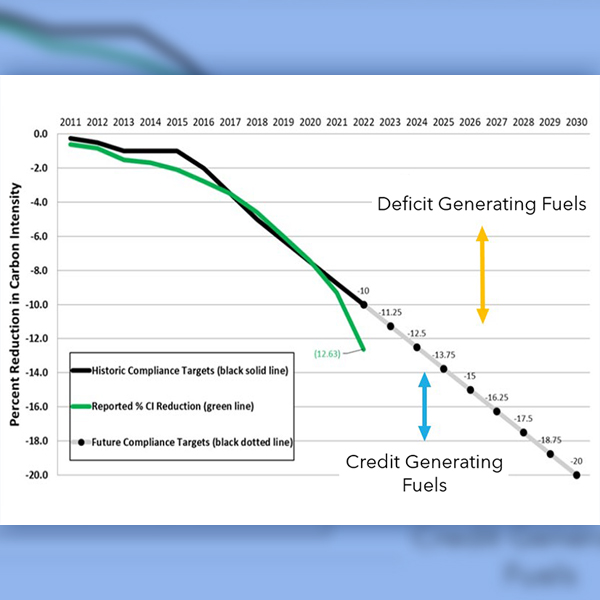
California regulators are considering a package of changes to the state’s low-carbon fuel standard, including measures to shore up the price of credits.
Champlain Hudson Power Express / Clean Path New York
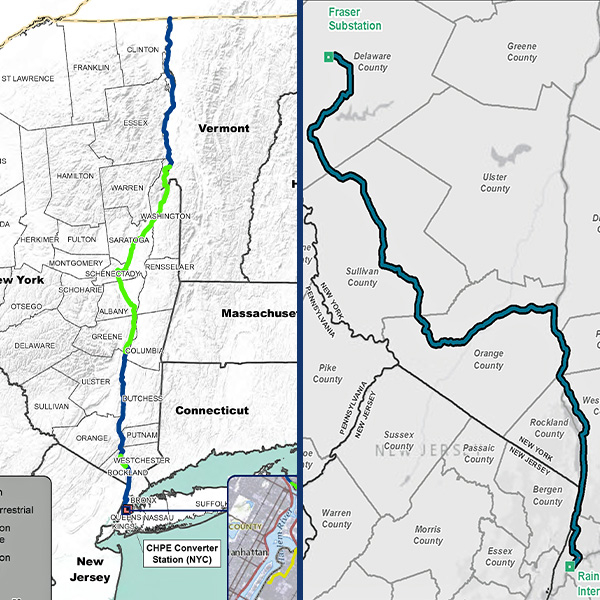
New York’s clean energy agency needs more time to draw up the renewable energy certificate program for two major renewable energy transmission projects.
© RTO Insider LLC
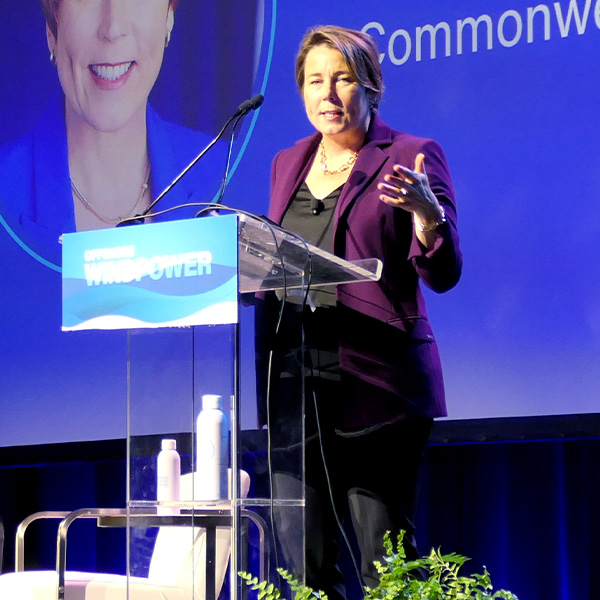
Mass. Gov. Healey stressed the importance of regional collaboration and the potential of the agreement to benefit ratepayers.
Want more? Advanced Search