CAISO/WEIM
CAISO Board of GovernorsCalifornia Agencies & LegislatureCalifornia Air Resources Board (CARB)California Energy Commission (CEC)California LegislatureCalifornia Public Utilities Commission (CPUC)EDAMOther CAISO CommitteesWestern Energy Imbalance Market (WEIM)WEIM Governing Body
The California Independent System Operator serves about 80% of California's electricity demand, including the service areas of the state's three investor-owned utilities. It also operates the Western Energy Imbalance Market, an interstate real-time market covering territory that accounts for 80% of the load in the Western Interconnection.

CAISO
PacifiCorp and Portland General Electric remain on track to join CAISO’s Extended Day-Ahead Market on their planned entry dates, although the schedule remains “very tight and very aggressive."

CAISO
The West-Wide Governance Pathways Initiative’s Launch Committee Co-Chair Pam Sporborg said the stakeholder process of the new regional organization that will oversee CAISO’s energy markets is an evolution of the ISO’s Regional Issues Forum.

CPUC Public Advocates Office
Key organizations across California voiced strong opposition to Pacific Gas and Electric's proposed rate increases that are under review at the California PUC.
© RTO Insider LLC
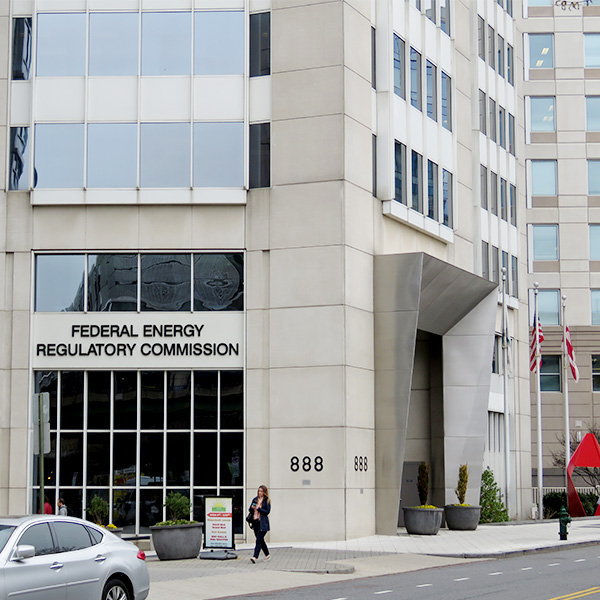
FERC sided with San Francisco in the city’s dispute with PG&E over cost allocation provisions in a wholesale distribution contract, finding PG&E improperly required the city to bear the cost of system upgrades instead of allocating costs among all beneficiaries.

CEC
A virtual power plant program with an indeterminate future set a record in 2025 for the capacity the plant contributed to California's electricity grid.
New Mexico PRC
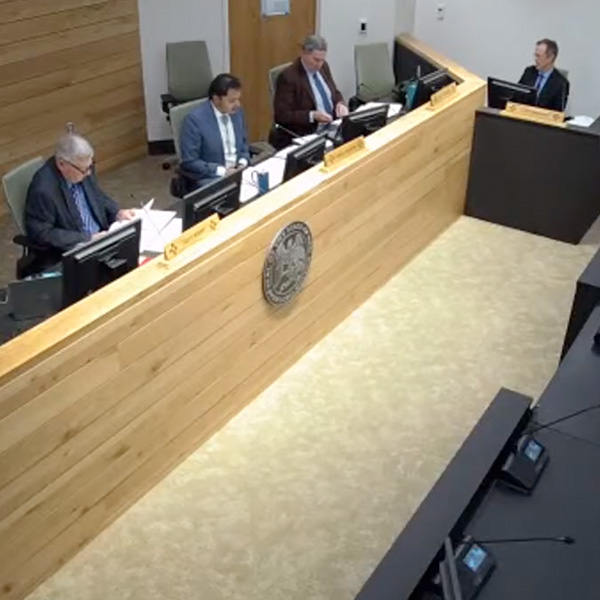
State regulators approved an accounting order for Public Service Company of New Mexico’s participation in CAISO’s Extended Day-Ahead Market, in a case that rekindled the debate over which day-ahead market PNM should choose.

Shutterstock
The Northwest faces a “pretty scary” situation, with a new study showing a potential 9-GW capacity shortfall by 2030, increased energy prices and building constraints, PNGC Power's CEO said.
PG&E
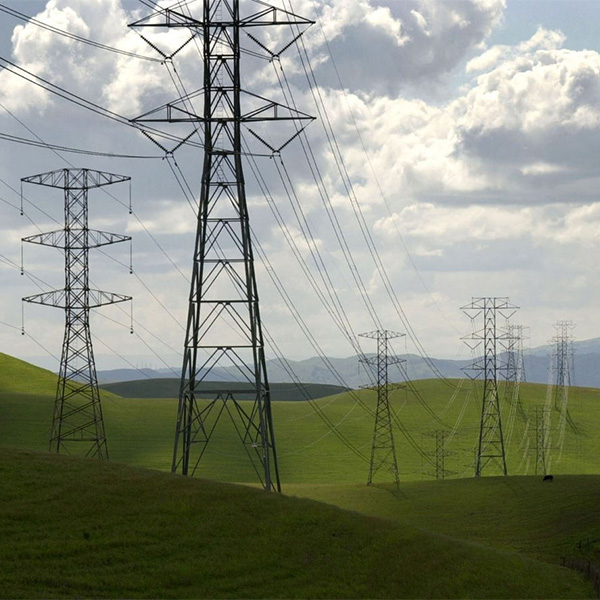
FERC approved PG&E’s request to recover more than $600,000 in costs for an abandoned battery plant in California.
JIRSA Hedrick
The Colorado PUC issued a split decision approving Public Service Company of Colorado’s application to join SPP’s Markets+, finding that market participation is in the public interest and will “provide a number of benefits.”
BloombergNEF
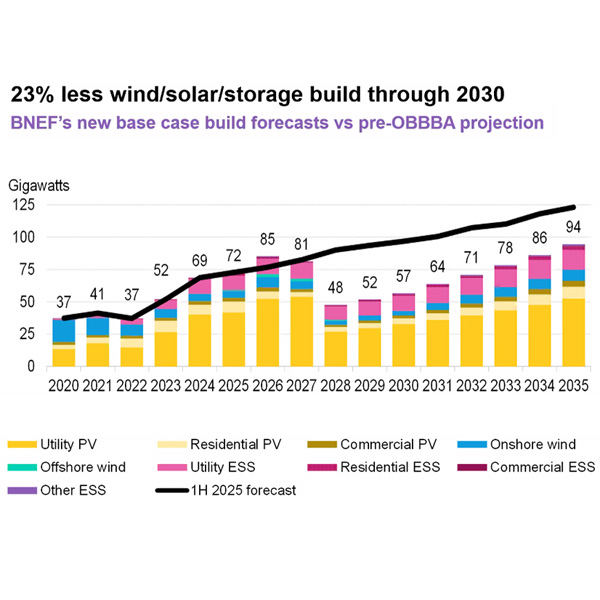
Construction of new wind, solar and energy storage facilities will decrease significantly over the next five years, a BloombergNEF analyst said in an presentation to the California Energy Commission.
Want more? Advanced Search