CAISO/WEIM
CAISO Board of GovernorsCalifornia Agencies & LegislatureCalifornia Air Resources Board (CARB)California Energy Commission (CEC)California LegislatureCalifornia Public Utilities Commission (CPUC)EDAMOther CAISO CommitteesWestern Energy Imbalance Market (WEIM)WEIM Governing Body
The California Independent System Operator serves about 80% of California's electricity demand, including the service areas of the state's three investor-owned utilities. It also operates the Western Energy Imbalance Market, an interstate real-time market covering territory that accounts for 80% of the load in the Western Interconnection.
Vistra Energy
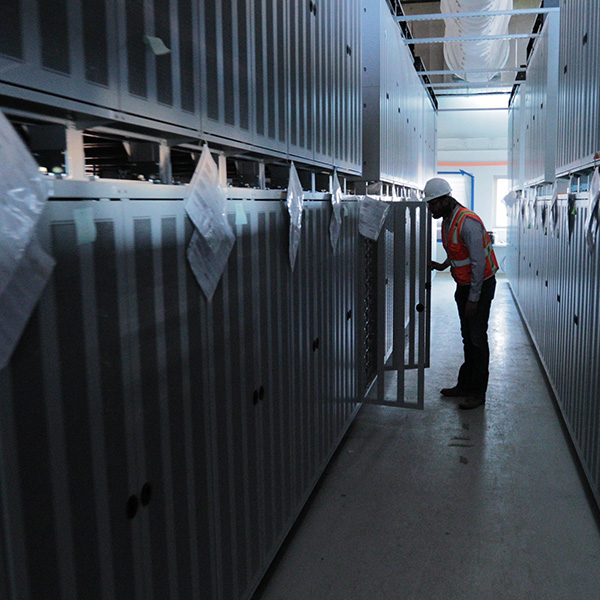
The California Energy Commission updated its midterm reliability analysis for 2022-2026, concluding California has enough capacity without adding fossil fuels.

Shutterstock
Distributed energy resources, electrification and just wholesale compensation for both dominated two panels during the virtual North America Smart Energy Week.
NYPA
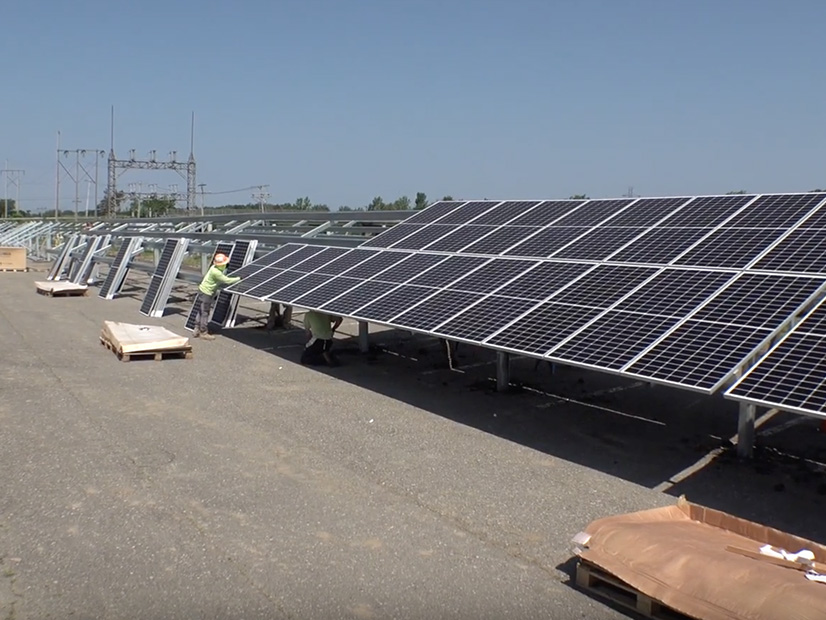
FERC gave CAISO and NYISO 30 days to explain some details of the treatment of DER aggregations described in their Order 2222 compliance filings.
Invinity Energy Systems
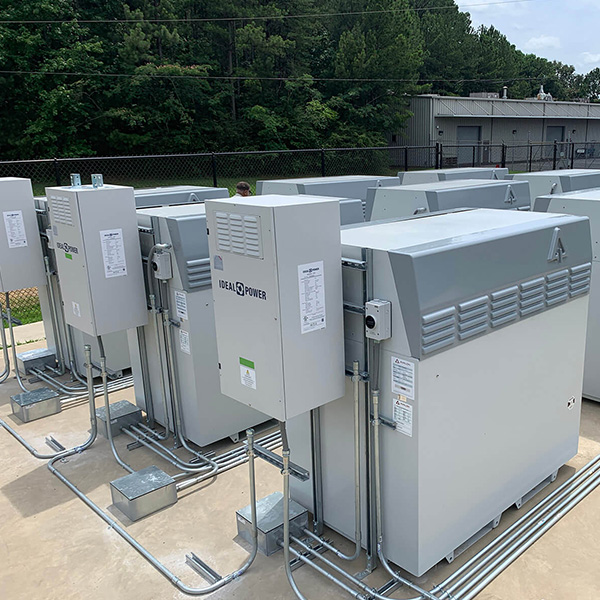
A Smart Energy Week panel said a decarbonized grid will need long-term storage "time machines" to move energy from when it's produced to when it's needed.
California State Assembly
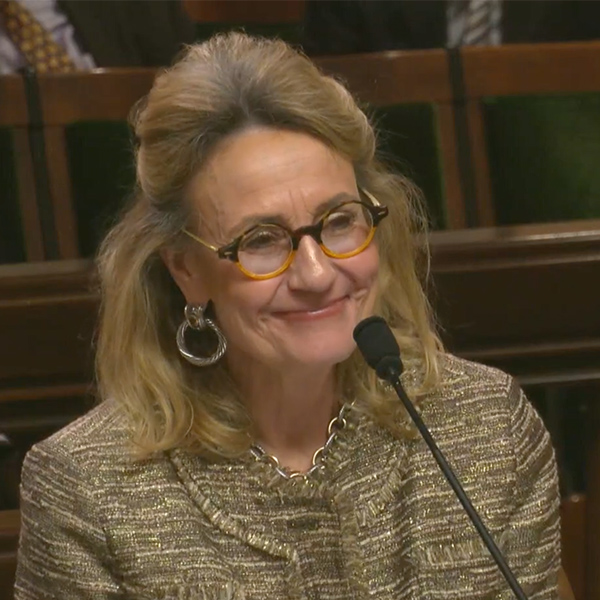
CPUC President Marybel Batjer — who has tackled wildfires, blackouts and PG&E — said she'll leave at the end of the year, with five years left in her term.
© RTO Insider LLC
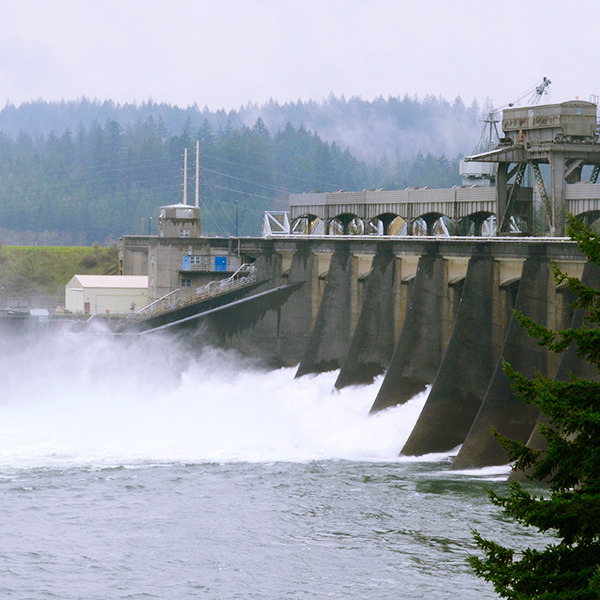
The Western Energy Imbalance Market is poised to make its largest expansion ever next spring with the inclusion of the Bonneville Power Administration.
Matt Irving/Bureau of Land Management
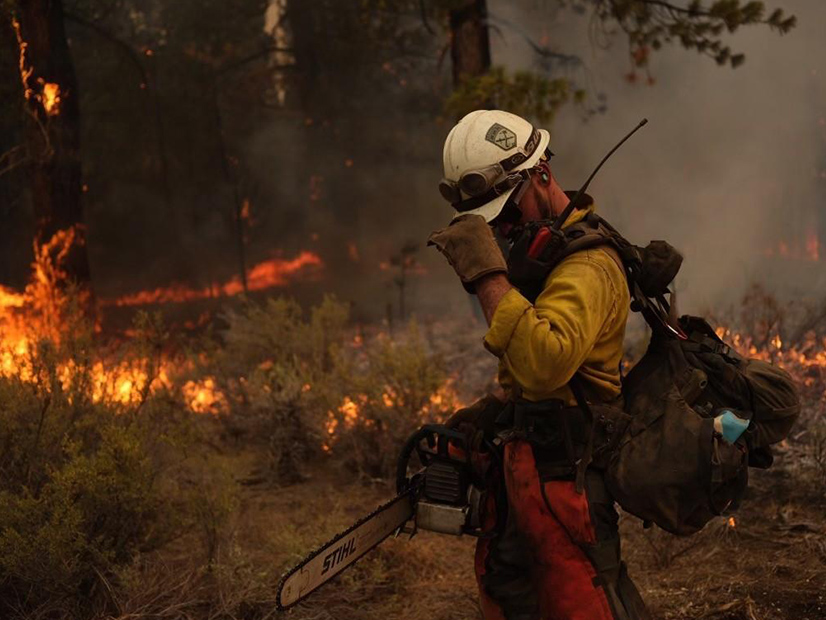
Four manslaughter charges against PG&E in the 2020 Zogg Fire followed the first lawsuit against the utility for starting the still-burning Dixie Fire.
National Park Service
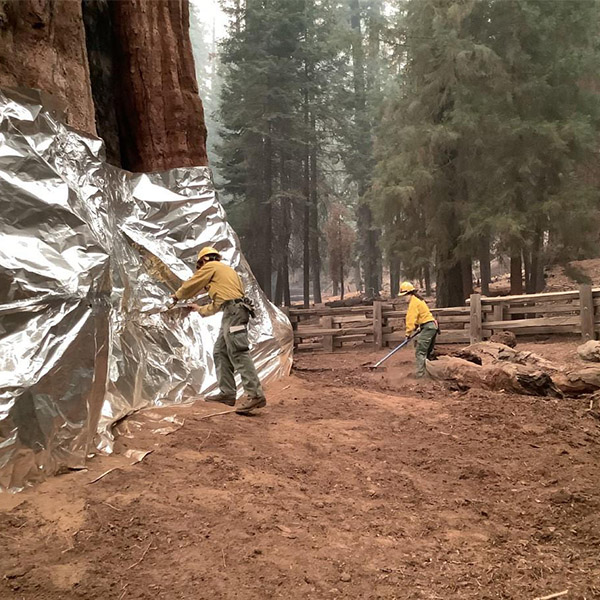
Gov. Gavin Newsom stood in the smoke of Sequoia National Park on Thursday to discuss the $15 billion California is spending on climate resilience.
© RTO Insider LLC
A meeting to hash out an upcoming Oregon study on RTO membership turned to how the state’s participation might fit into other developments in the West.
CARB
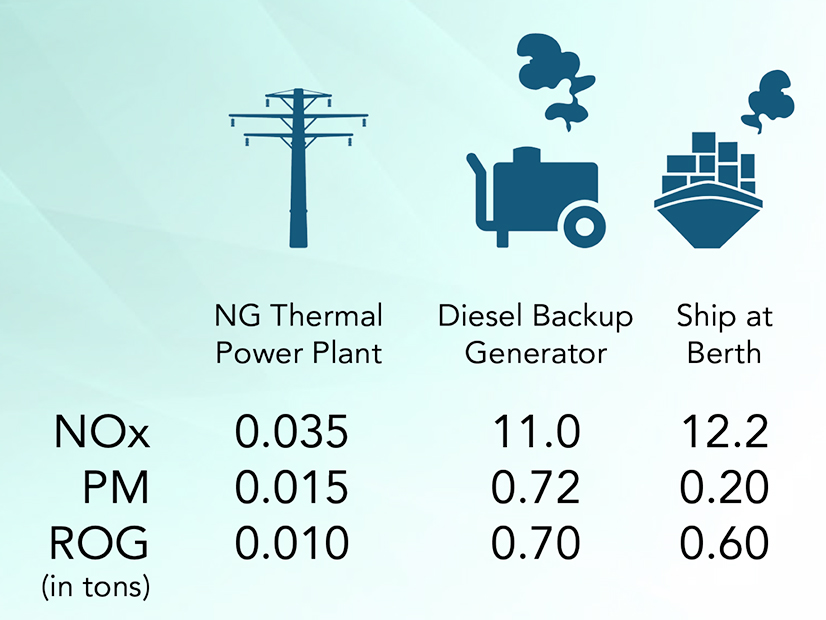
California air quality regulators are devising a program to lower increased emissions that may occur as the state tries to meet energy demand during severe weather.
Want more? Advanced Search