FERC & Federal
The Federal Energy Regulatory Commission is an independent regulatory agency that oversees the transmission of electricity, natural gas and oil in interstate commerce, as well as regulating hydroelectric dams and natural gas facilities.
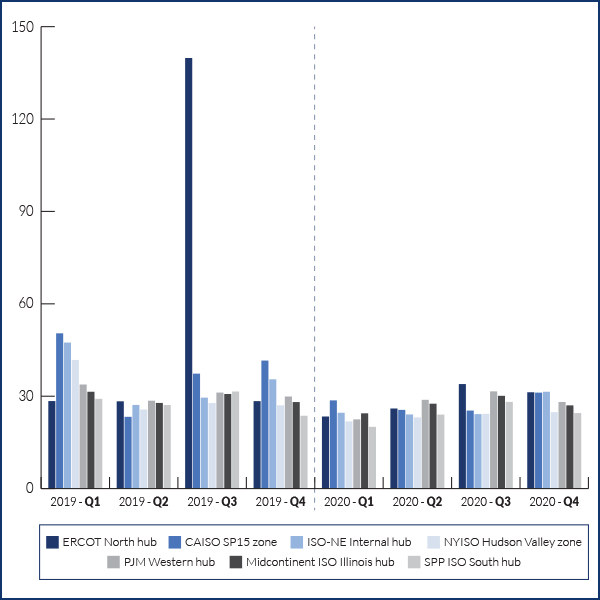
Renewable resources will account for the largest proportion of new capacity this year, EIA predicted, though their growth will be tempered by COVID-19.

Public power and electric co-ops asked Congress to include them in future coronavirus relief legislation as they face a cash crunch due to unpaid bills.

The U.S. Department of Justice again supported NextEra’s effort to repeal a Texas law giving incumbent transmission companies the right of first refusal.

The $13.5 billion settlement PG&E struck with wildfire victims may be in trouble, threatening one main component of the utility’s plan to exit bankruptcy.
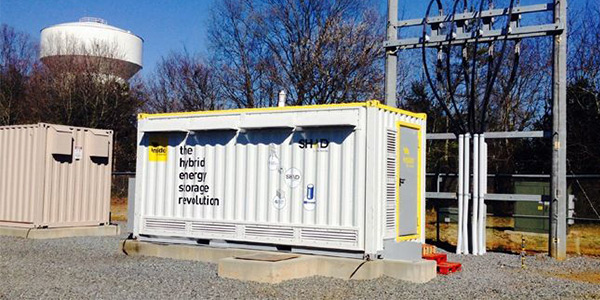
FERC will hold a technical conference July 23 on the “technical and market issues” raised by the growth of hybrid generation and storage resources.
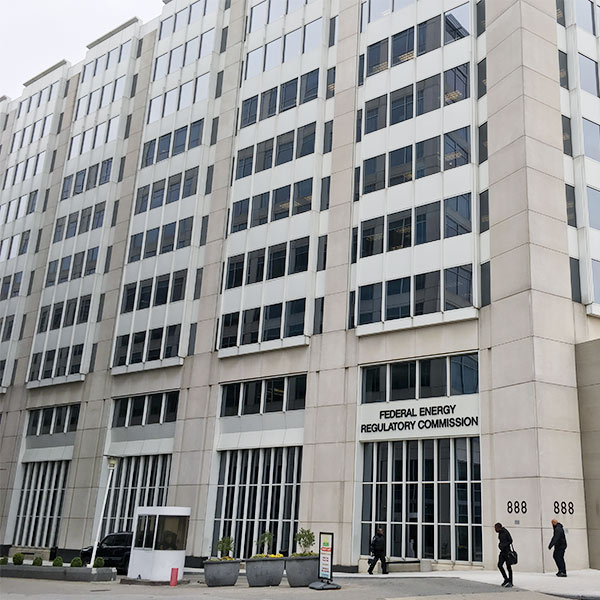
FERC issued a flurry of orders delegating authority and waiving requirements in response to the COVID-19 coronavirus pandemic.
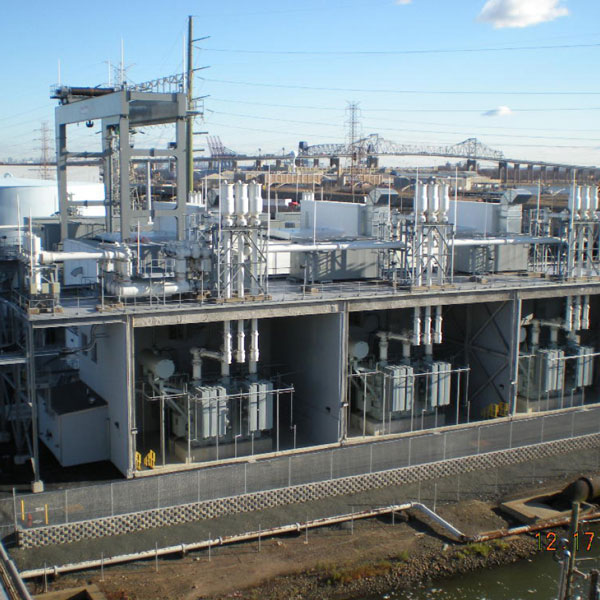
FERC ruled two merchant transmission operators in New Jersey are liable for cost allocations under PJM’s RTEP despite converting from firm to non-firm.

James Danly was sworn in as a FERC commissioner, officially beginning a term to end in 2023 and giving Republicans a 3-1 advantage on the commission.
FERC conditionally approved J.P. Morgan’s $4.3 billion purchase of El Paso Electric, directing the companies to file a mitigation plan.

The wind and solar industries were disappointed that Congress’ $2 trillion stimulus bill did not include extensions of production and investment tax credits.
Want more? Advanced Search