FERC & Federal
The Federal Energy Regulatory Commission is an independent regulatory agency that oversees the transmission of electricity, natural gas and oil in interstate commerce, as well as regulating hydroelectric dams and natural gas facilities.
Consumers Energy
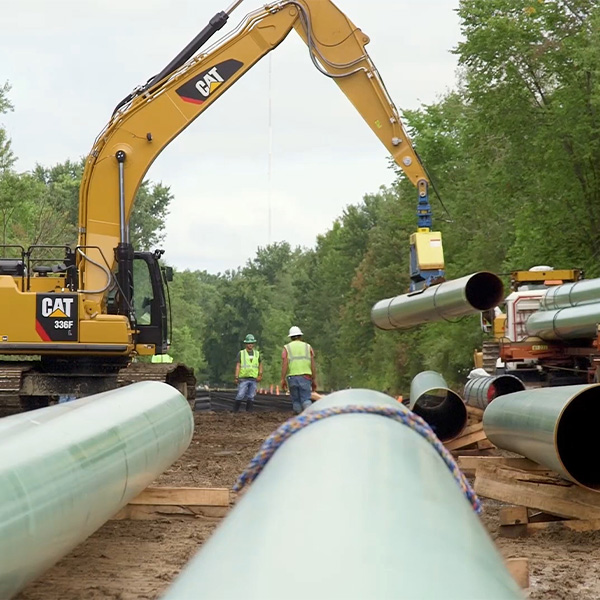
FERC voted 3-2 to update its policy on natural gas infrastructure certificates and outlined how it will evaluate the impacts of projects’ GHG emissions.
The Brattle Group
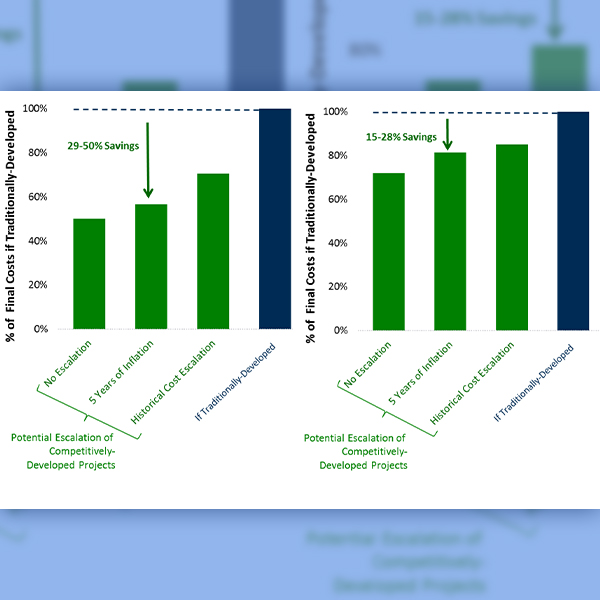
The Midwest has become ground zero for the future of transmission policy because of incumbent TOs' stifling control, R Street Institute's Devin Hartman says.
NARUC
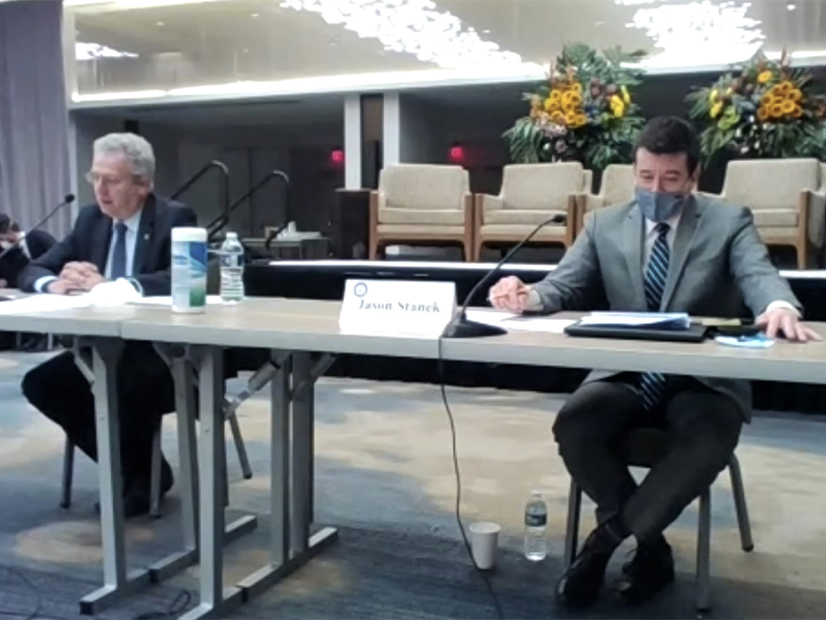
A second meeting of FERC and state regulators trying to spur transmission buildout exposed differences over expanding the definition of transmission benefits.
EBA
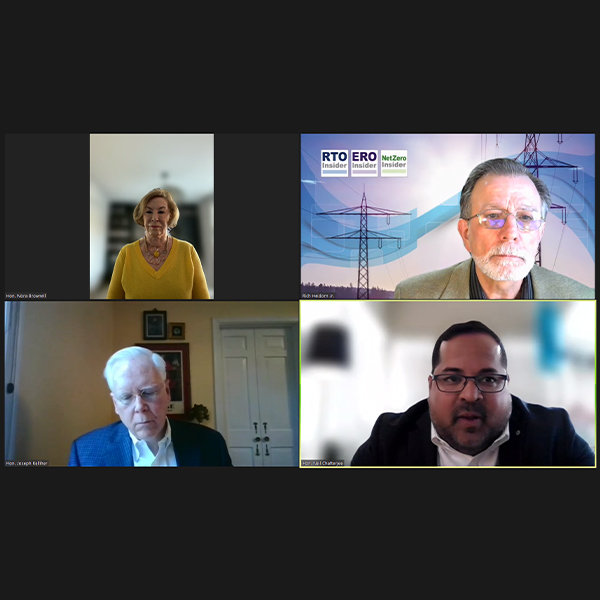
FERC has undertaken an ambitious agenda for this year that will face numerous headwinds from administrative challenges, not least of which remains the pandemic.
Public Service Enterprise Group
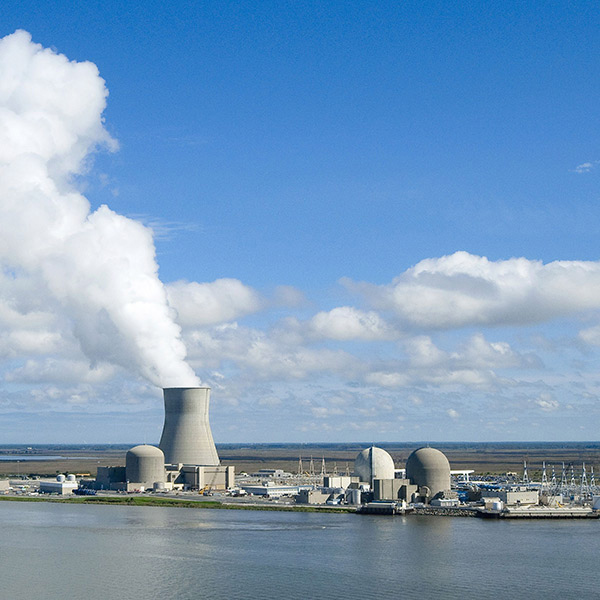
The Energy Department outlined a $6 billion program to prevent the early closure of nuclear generators and $3 billion in funding for battery supply chains.
FirstEnergy
Under a settlement with shareholders, six members of FirstEnergy’s board of directors would not seek re-election at the company’s annual meeting in May.

Nasdaq
In its yearly Wall Street briefing, the Edison Electric Institute stressed the importance of extending federal tax credits for renewable resources.
© RTO Insider LLC
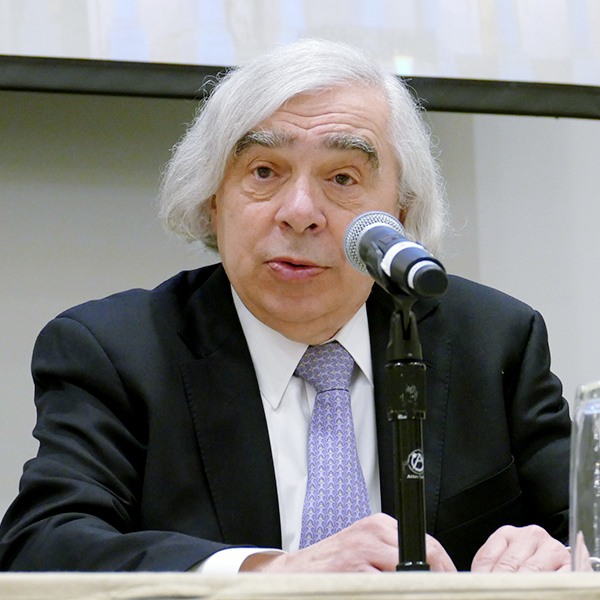
Former U.S. Energy Secretary Ernest Moniz on Friday called for policy changes to increase private capital for advanced nuclear reactors.
SPP
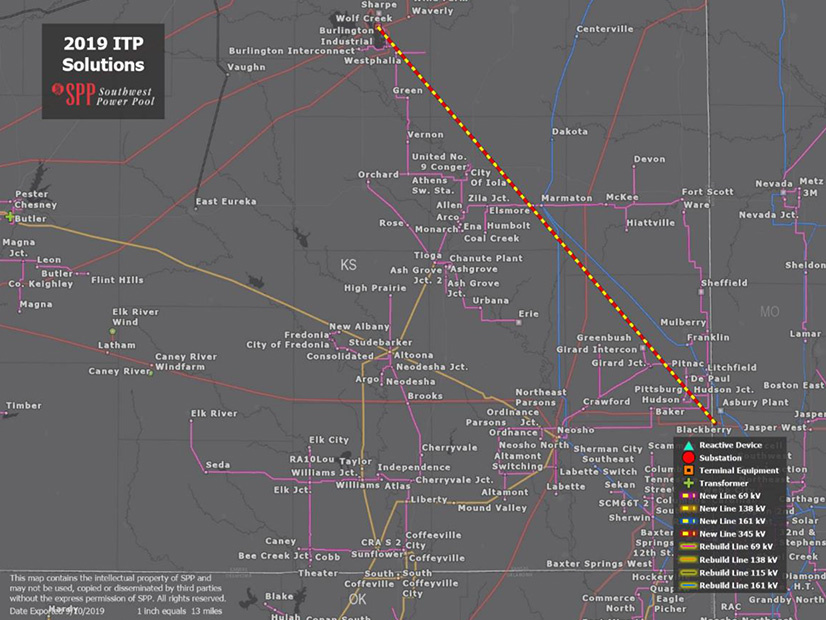
FERC granted NextEra Energy Transmission Southwest’s request to recover all prudently incurred costs associated with an $85.2 million competitive project.
© RTO Insider LLC
MISO’s Advisory Committee planned a roundtable discussion on how the footprint could be affected by the recently passed Infrastructure Investment and Jobs Act.
Want more? Advanced Search