
FERC & Federal
The Federal Energy Regulatory Commission is an independent regulatory agency that oversees the transmission of electricity, natural gas and oil in interstate commerce, as well as regulating hydroelectric dams and natural gas facilities.
© RTO Insider LLC
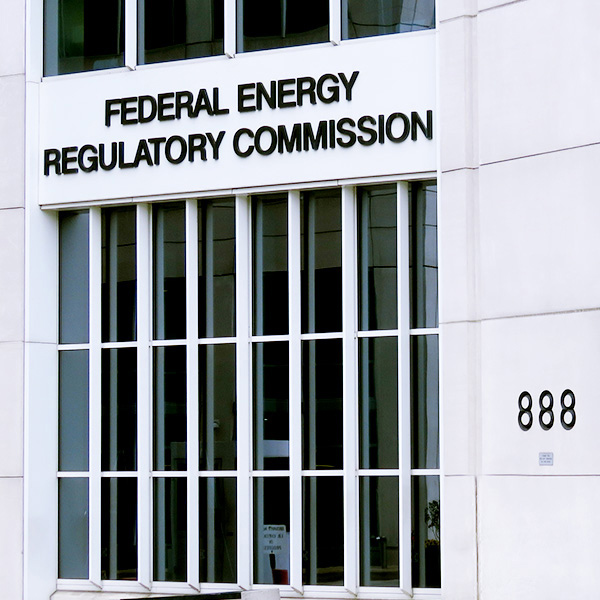
FERC issued a final rule and related Notice of Proposed Rulemaking on Oct. 1 to start “sunsetting” 53 regulations in response to an executive order from President Donald Trump.
TVA
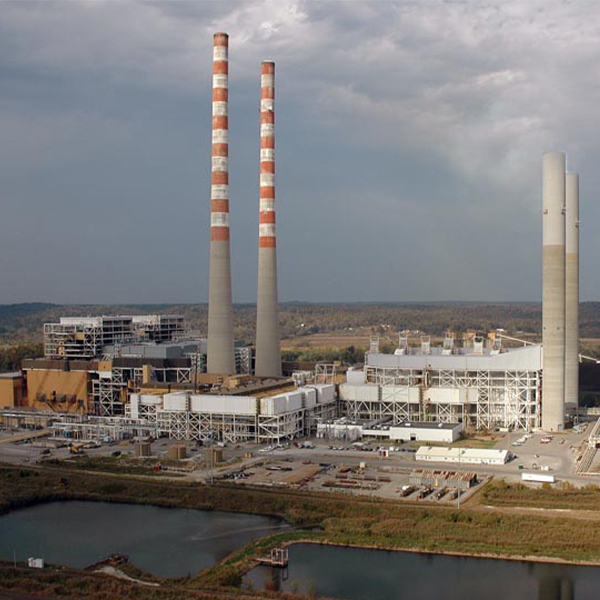
The Tennessee Valley Authority is closing in on a gas-for-coal swap at its Cumberland plant after the D.C. Circuit Court of Appeals rejected environmental groups’ arguments against FERC’s environmental review.
David Maiolo, CC BY-SA-3.0, via Wikimedia Commons
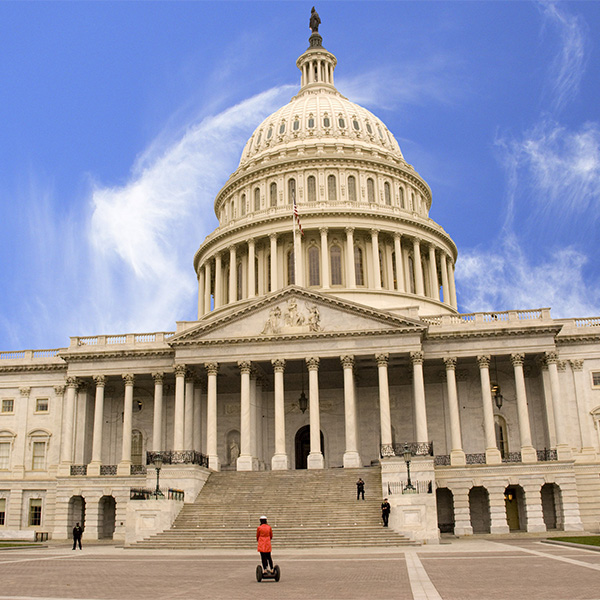
U.S. energy agencies including FERC laid out their plans for operations during the federal government shutdown.
Savannah River Site
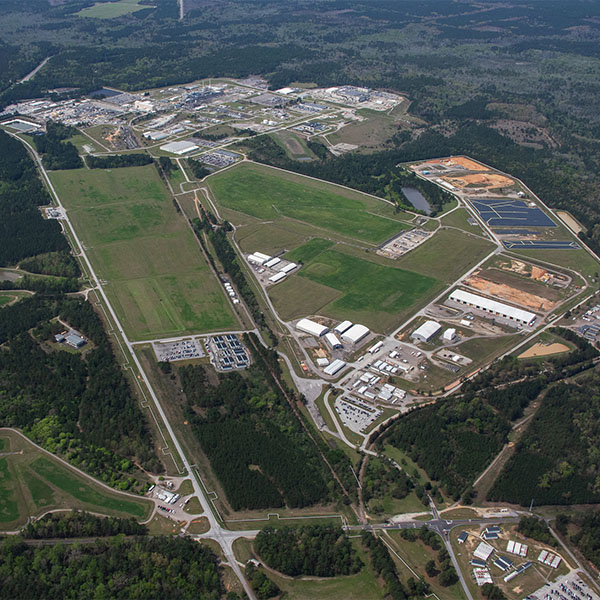
The U.S. Department of Energy is looking for developers that want to build artificial intelligence data centers — and the power generation to run them — on two nuclear sites.
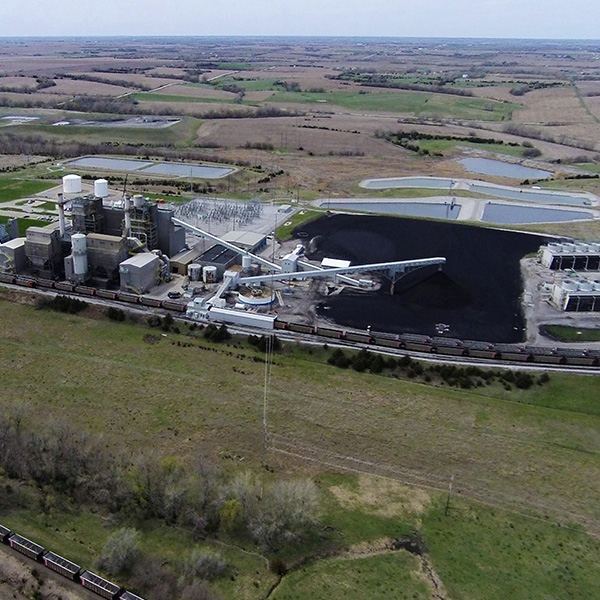
Nebraska Public Power District
Three cabinet-level agencies announced coordinated policies that are meant to improve coal's position in the energy system by improving power plants, cutting environmental regulations and increasing mining of the fuel.
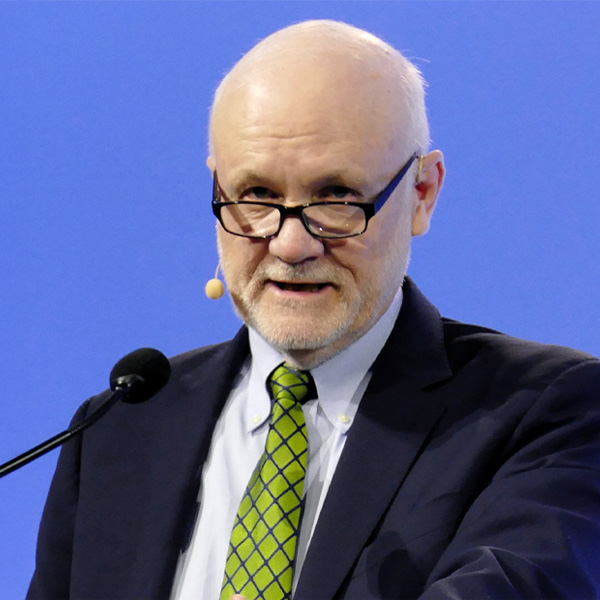
© RTO Insider LLC
William & Mary Law School announced it has appointed former FERC Chair Mark Christie as the 2025 Lowance Fellow, a visiting professor of the practice of law and the founding director of the school’s new Center for Energy Law & Policy.
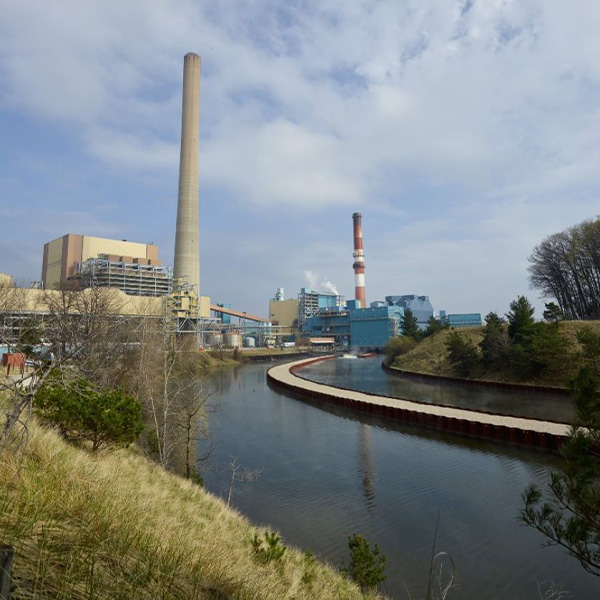
Consumers Energy
U.S. Energy Secretary Chris Wright said his department is working with utilities around the country to keep more coal plants slated for retirement open to help meet rising demand from data centers and other new large loads.
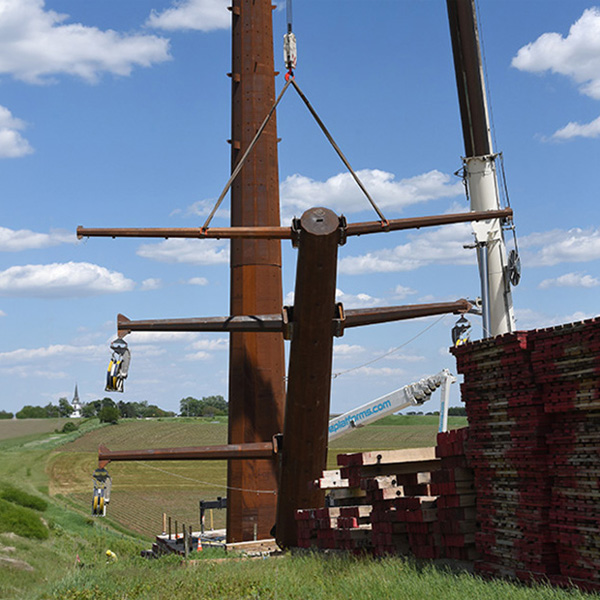
ATC and ITC Midwest
U.S. Reps. Scott Peters (D) and Andy Barr (R) introduced the SPEED and Reliability Act, which is meant to speed up the siting and permitting of transmission lines.
Shutterstock
Democrats introduced a FERC-heavy bill to control electricity costs, House Energy & Commerce Committee Republicans tout bills passed out of committee, DOE returns $13 billion and some details from the Dallas Fed survey.
NREL
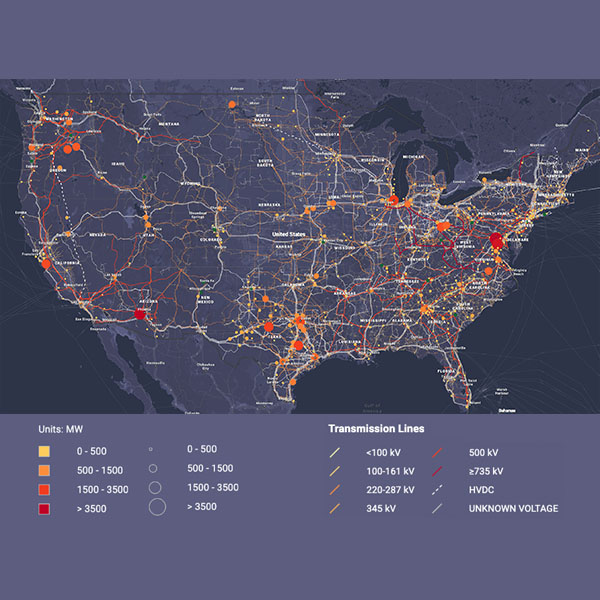
The U.S. Department of Energy is kicking off its Speed to Power initiative by seeking input on large-scale grid projects that would serve large-scale data centers.
Want more? Advanced Search
