ISO-NE
ISO-NE Consumer Liaison GroupISO-NE Planning Advisory CommitteeNEPOOL Markets CommitteeNEPOOL Participants CommitteeNEPOOL Reliability CommitteeNEPOOL Transmission Committee
ISO New England Inc. is a regional transmission organization that oversees the operation of the electricity transmission system, coordinates wholesale electricity markets, and manages power system planning for the states of Connecticut, Rhode Island, Massachusetts, Vermont, New Hampshire, and most of Maine.

© RTO Insider LLC
Representatives of major gas pipeline companies said they are optimistic that political shifts at the federal and state levels will create opportunities for gas infrastructure expansion in New England.

Shutterstock
Climate and consumer advocates called on Massachusetts lawmakers to preserve the state’s energy efficiency programs as legislators work to develop an energy affordability bill in response to high gas and electricity costs over the past winter.
Connecticut Executive and Legislative Nominations Committee
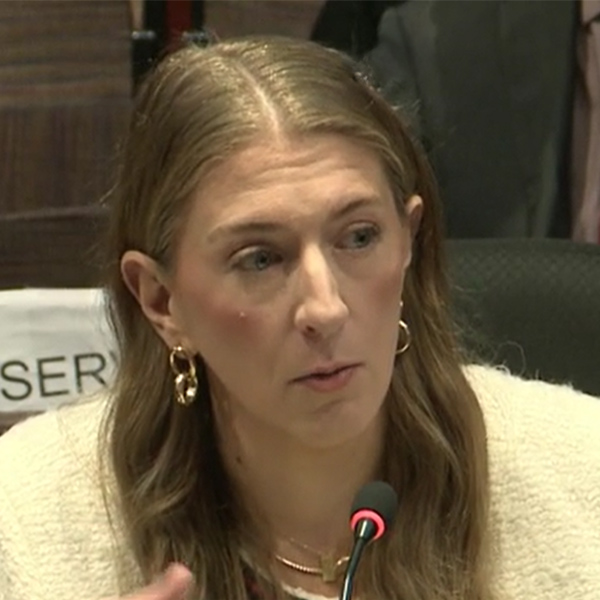
The forthcoming resignation of Connecticut Public Utilities Regulatory Authority Chair Marissa Gillett has created high-stakes questions around the state’s adoption of a comprehensive performance-based regulation framework.
Yes Energy
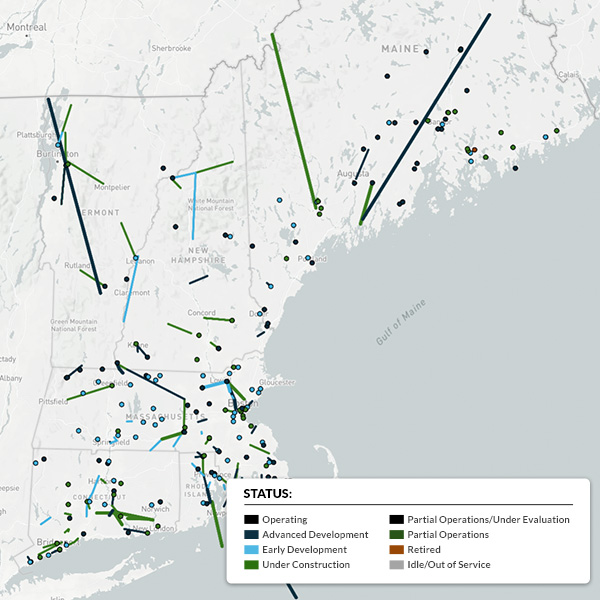
In New England, rules governing how new resources connect to the regional grid limit full use of the system’s potential. Precious “surplus” capacity can and should be leveraged to interconnect new, low-cost clean energy technologies to deliver more reliable, affordable power, says Alex Lawton.

© RTO Insider
Energy experts and officials stressed the importance of proactive transmission planning, interconnection reform and increased demand-side flexibility at Raab Associates’ New England Electricity Restructuring Roundtable.
Western Maine Energy Storage
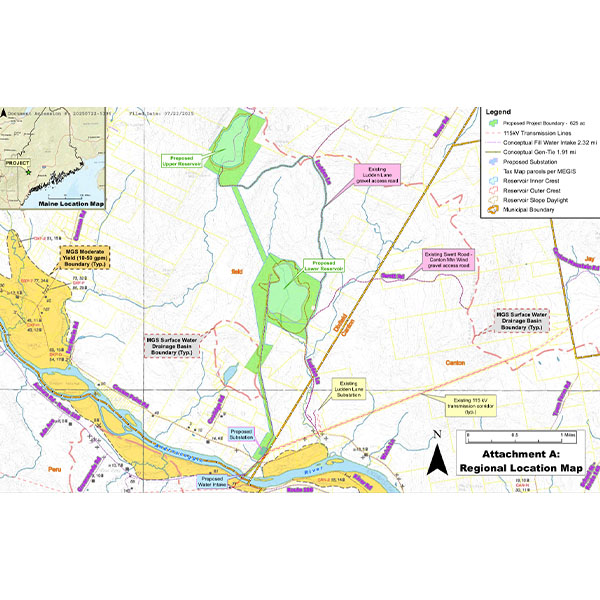
A developer in Maine is evaluating whether pumped storage – one of the oldest generation technologies still used on the New England grid – could play an increased role in the grid of the future.

ISO-NE
Several panelists and public commenters at the quarterly meeting of the ISO-NE Consumer Liaison Group criticized the RTO over its record on accountability and accessibility, as well as its policy related to distributed energy resources.
Calpine
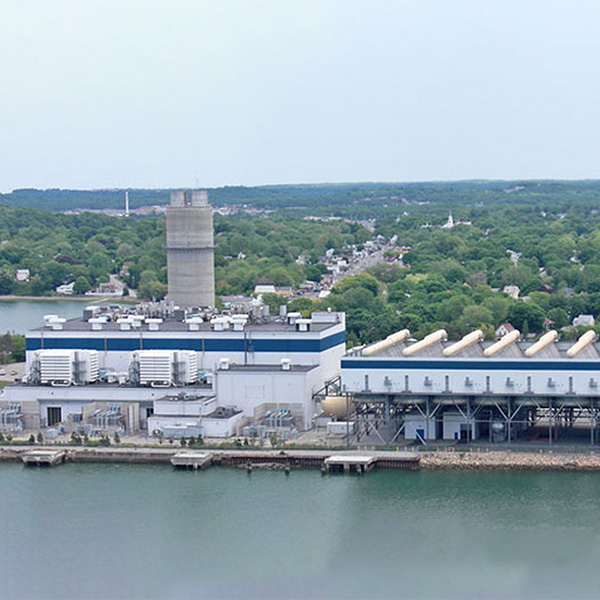
ISO-NE kicked off NEPOOL discussions for the second phase of its capacity auction reform project, beginning long-awaited talks on accreditation and seasonal capacity auction changes.
Nexamp
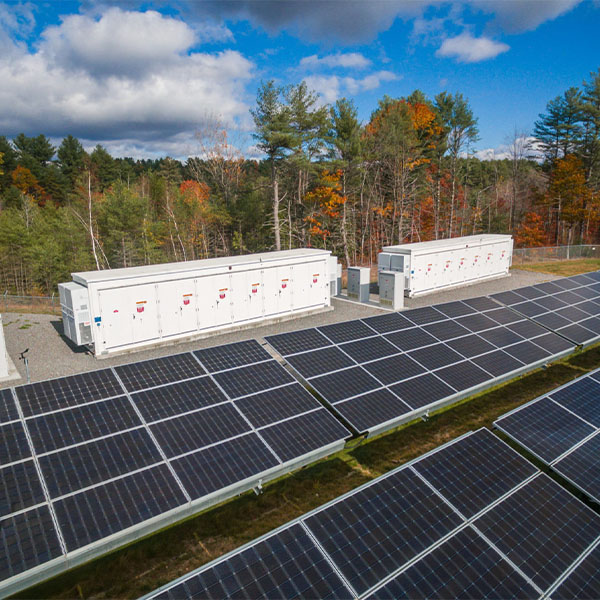
A new study looking at the business case for comparable behind-the-meter and front-of-the-meter battery storage systems in Massachusetts found that FTM storage “significantly outperformed” the BTM systems, despite significant programs and incentives supporting BTM storage in the state.
ISO-NE
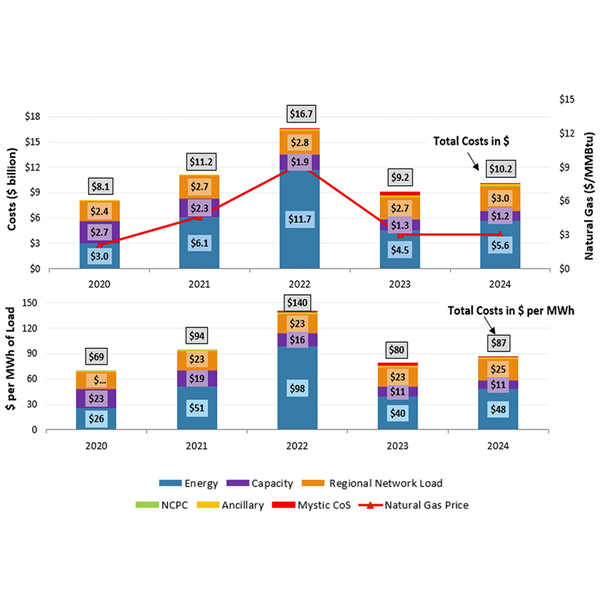
The New England wholesale electricity markets performed competitively in 2024, while decreased imports and higher emissions compliance rates increased overall market costs, the ISO-NE Internal Market Monitor told the NEPOOL Participants Committee.
Want more? Advanced Search