NEPOOL Reliability Committee
Analysis Group
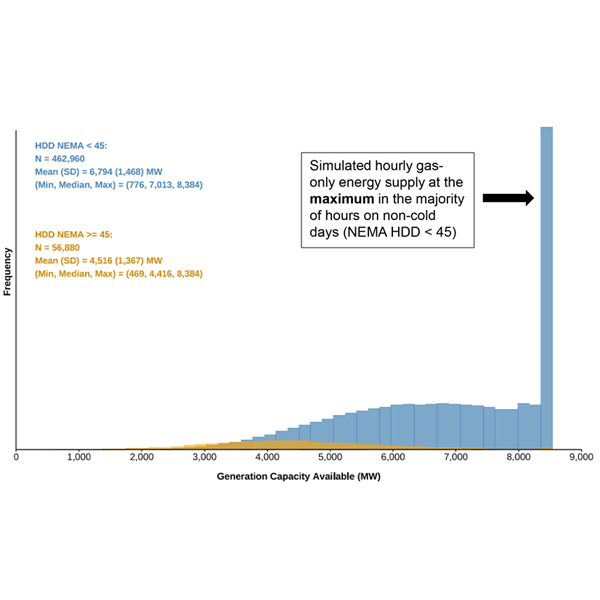
ISO-NE continued work on the second phase of its Capacity Auction Reform project, discussing modeling of the region’s gas constraints, seasonal auction design and its approach to evaluating the impacts of the auction changes.

Shutterstock
ISO-NE outlined proposed capacity accreditation for active and passive demand capacity resources at the NEPOOL Reliability Committee.
ISO-NE
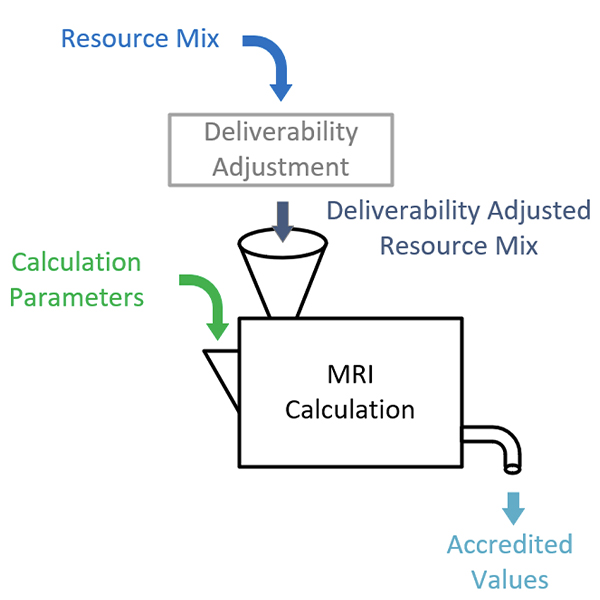
ISO-NE presented a high-level overview of how it plans to account for resource deliverability in its updated capacity accreditation framework.
ISO-NE
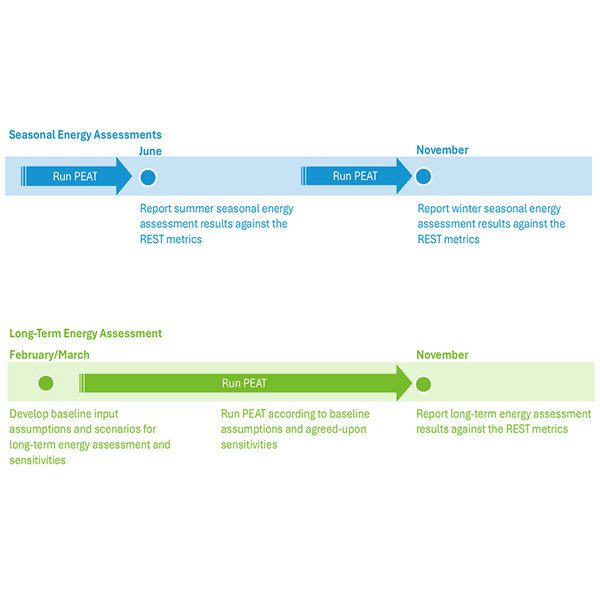
After receiving positive feedback from stakeholders, ISO-NE plans to proceed with its proposal for a quantitative threshold to determine an acceptable level of energy shortfall risk for the region.
ISO-NE
ISO-NE’s regional network service rate is set to decrease by about 1% in 2026, dropping from $185.28/kW-year in 2025 to $183.71/kW-year in 2026.
ISO-NE
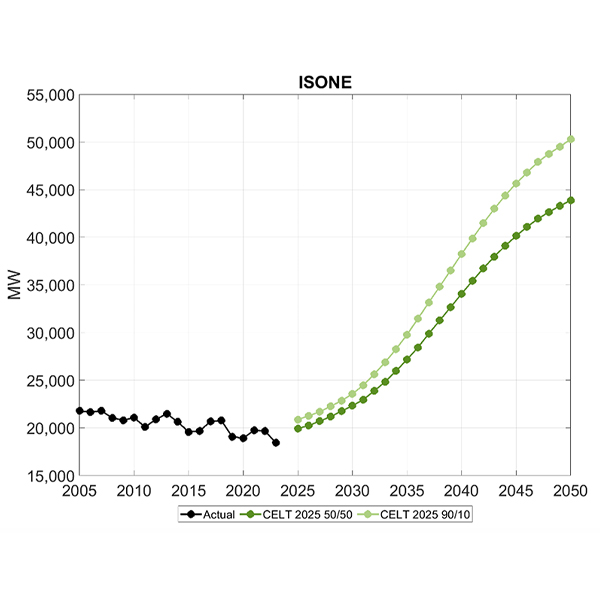
ISO-NE plans to cut its winter peak load projection for 2033 by 7.2% and its summer peak projection by 1.8%, ISO-NE told the NEPOOL Reliability Committee.
© RTO Insider
ISO-NE presented the results of its 2023/24 load power factor audit, which found most regional LPF areas to be noncompliant with the standards for low-load, high-voltage conditions.

ISO-NE
The NEPOOL Reliability Committee voted to support changes to ISO-NE Planning Procedure 7 to comply with FERC Order 881.
ISO-NE
ISO-NE’s regional energy shortfall threshold will rely on a pair of metrics intended to capture the intensity and duration of energy shortfall risks in extreme weather scenarios, the RTO told the NEPOOL Reliability Committee.

Shutterstock
ISO-NE is working to add the capability to model preemptive actions to its probabilistic energy adequacy tool, the RTO told the NEPOOL stakeholders.
Want more? Advanced Search