Public Policy
Environmental RegulationsReliabilityState & RegionalAlabamaAlaskaArizonaArkansasCaliforniaColoradoConnecticutDelawareDistrict of ColumbiaFloridaGeorgiaHawaiiIdahoIllinoisIndianaIowaKansasKentuckyLouisianaMaineManitobaMarylandMassachusettsMichiganMinnesotaMississippiMissouriMontanaNebraskaNevadaNew HampshireNew JerseyNew MexicoNew YorkNorth CarolinaNorth DakotaOhioOklahomaOntarioOregonPennsylvaniaRhode IslandRTO-IndianaSouth CarolinaSouth DakotaTennesseeTexasUtahVermontVirginiaWashingtonWest VirginiaWisconsinWyoming
Retail Energy Advancement League
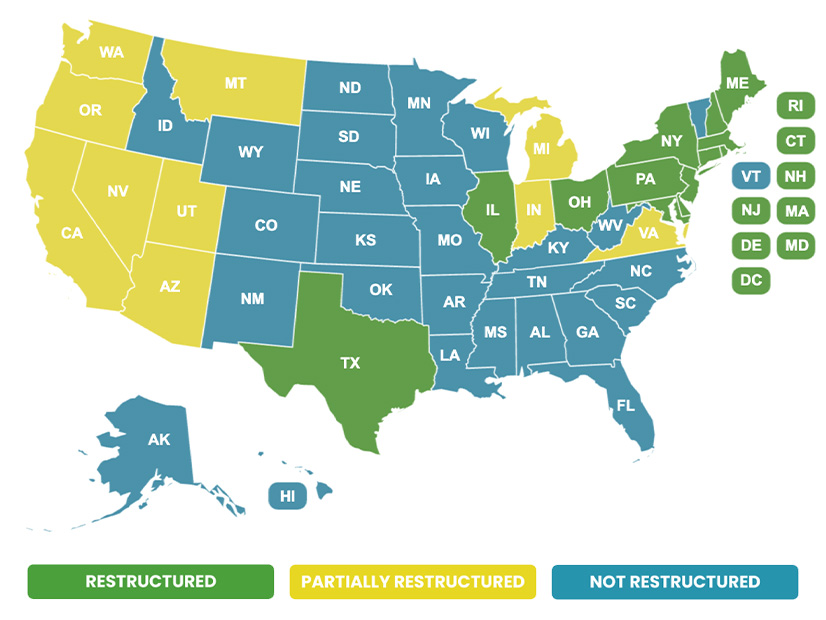
The return of demand growth is something new in the electricity industry, especially as it is being driven by individual consumers whose load can exceed the peak demand of a small state, and it is giving new life to an old argument in state legislatures: restructuring the industry.
Shutterstock
Puget Sound Energy and Avista told the Washington Utilities and Transportation Commission they have taken steps to build clean energy resources quickly to qualify for expiring federal tax credits, while voicing concern that limited transmission capacity and the state’s greenhouse gas targets pose challenges.
David Maiolo, CC BY-SA-3.0, via Wikimedia Commons
With electricity demand spiking, Congress should take major steps to speed up the process of building new transmission infrastructure, writes Will Hazelip.
© RTO Insider
Ruling on a series of complaints dating back to 2011, FERC ordered a reduction in the return on equity for the New England transmission owners, cutting the rate from 10.57% to 9.57%.
NIPSCO
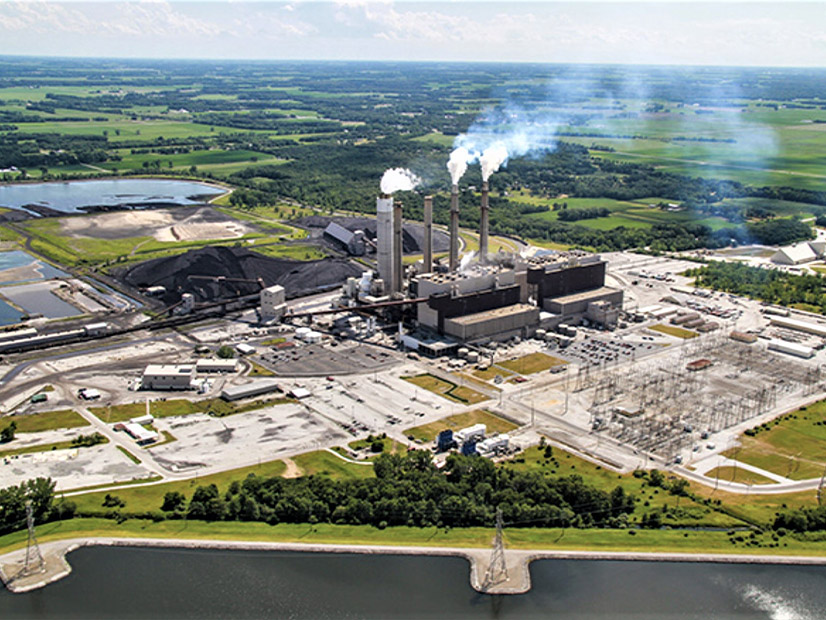
FERC granted a MISO Midwest-wide cost allocation for Northern Indiana Public Service Co.’s and CenterPoint Energy’s coal plants kept online by order of the U.S. Department of Energy.
AEP
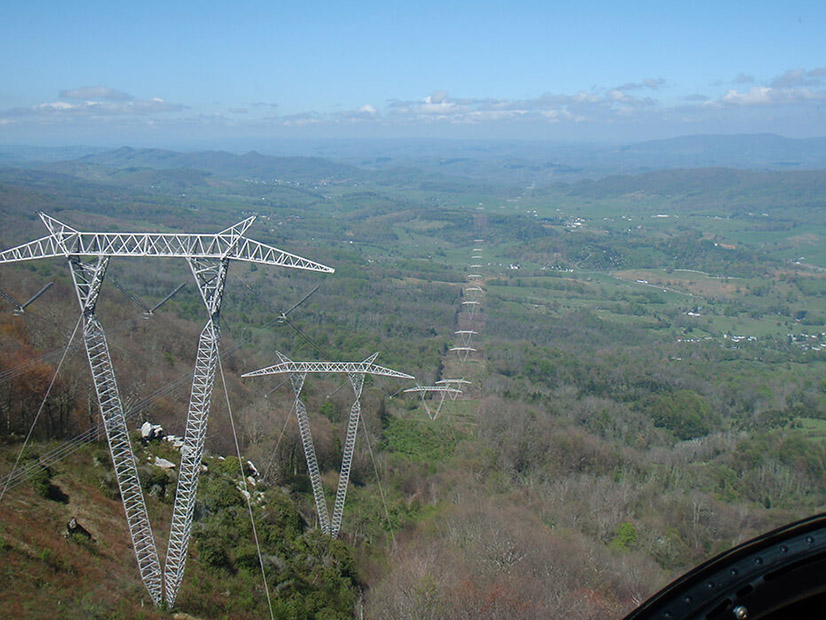
The Trump administration announced billions of dollars in investments from a deal it struck with Japan, which will help build natural gas plants to serve hyperscale data centers, including at a defunct uranium production site owned by DOE in Ohio.
Shutterstock
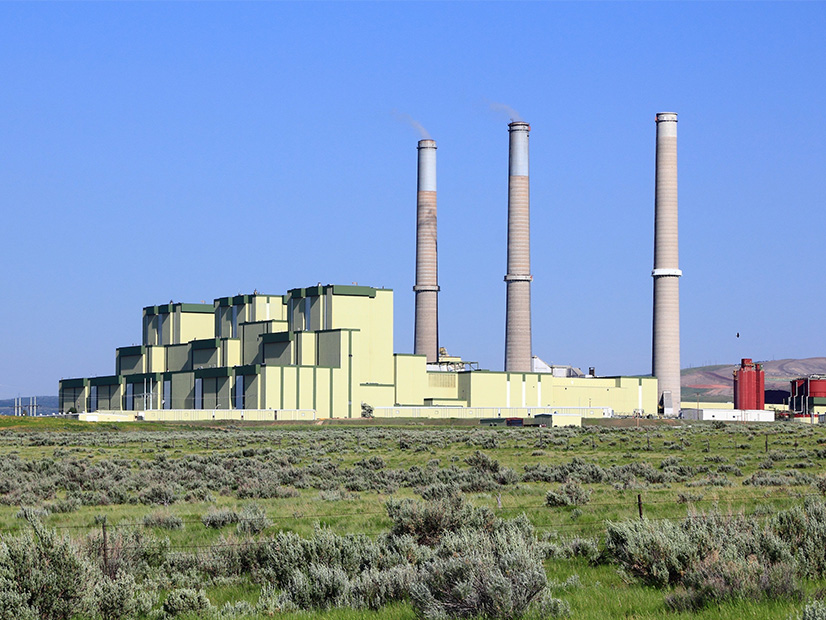
Challenges are piling up to Trump administration orders to keep retiring coal plants online, as the Colorado attorney general and environmental groups have filed petitions to overturn an extension of Craig Station Unit 1.
Astoria Generating Company
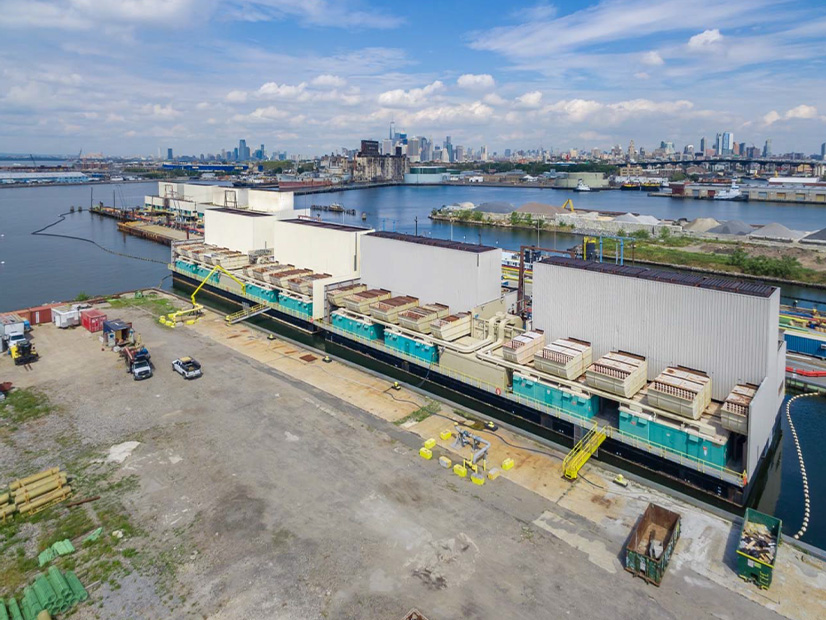
Alpha Generation, owner and operator of the Gowanus and Narrows floating power plants in New York City, has proposed replacing the six peaking units with three lower-emitting ones in response to Consolidated Edison’s solicitation for solutions to the city’s reliability need.
National Laboratory of the Rockies
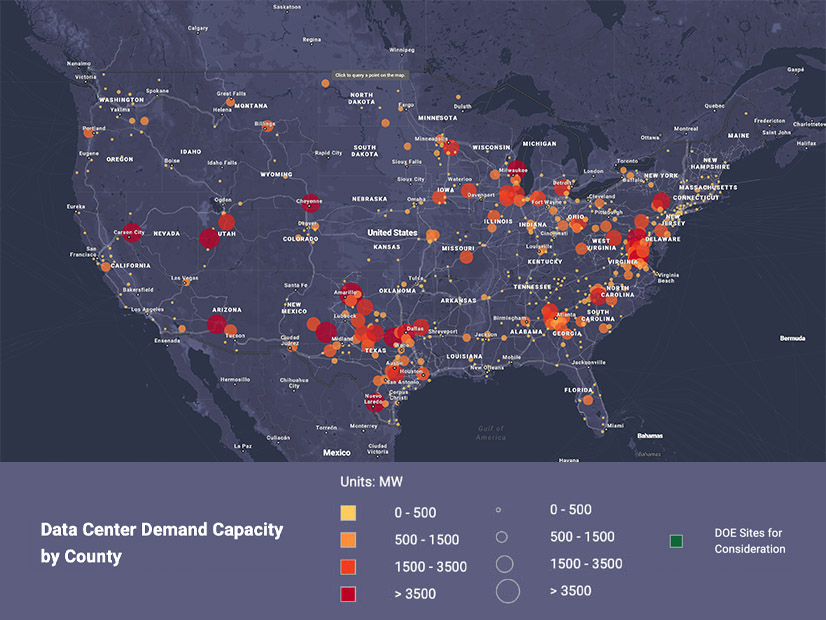
A new study quantifies some of the benefits that could come from more fully using the existing capacity of the grid before expanding the grid to meet demand growth from data centers and other large loads.
Western Area Power Administration
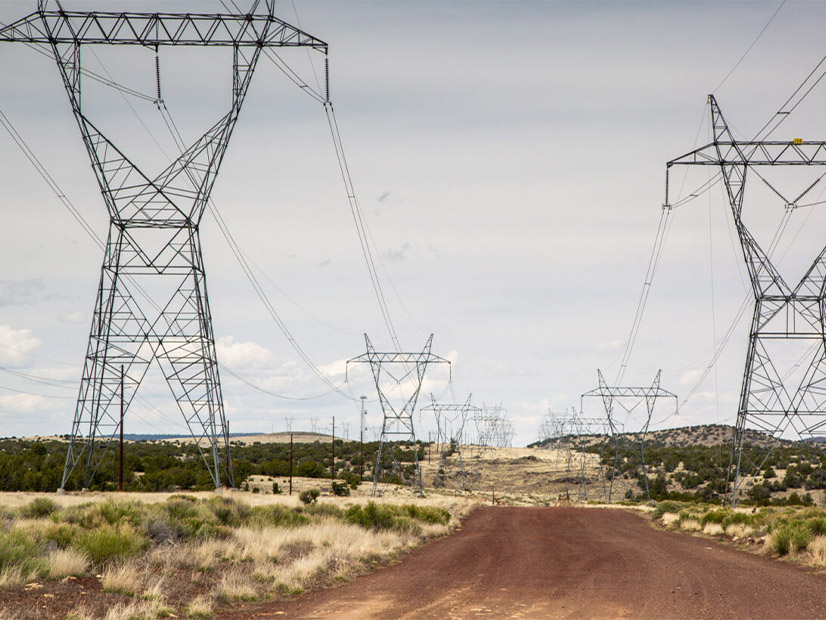
The Western Transmission Expansion Coalition’s 10-year outlook has spurred talks about increased coordination between jurisdictions to upgrade or build 12,600 miles of transmission in the West and fueled calls for states to create a task force to streamline permitting and other issues.
Want more? Advanced Search