Public Policy
Environmental RegulationsReliabilityState & RegionalAlabamaAlaskaArizonaArkansasCaliforniaColoradoConnecticutDelawareDistrict of ColumbiaFloridaGeorgiaHawaiiIdahoIllinoisIndianaIowaKansasKentuckyLouisianaMaineManitobaMarylandMassachusettsMichiganMinnesotaMississippiMissouriMontanaNebraskaNevadaNew HampshireNew JerseyNew MexicoNew YorkNorth CarolinaNorth DakotaOhioOklahomaOntarioOregonPennsylvaniaRhode IslandRTO-IndianaSouth CarolinaSouth DakotaTennesseeTexasUtahVermontVirginiaWashingtonWest VirginiaWisconsinWyoming
Newkirk Electric Associates
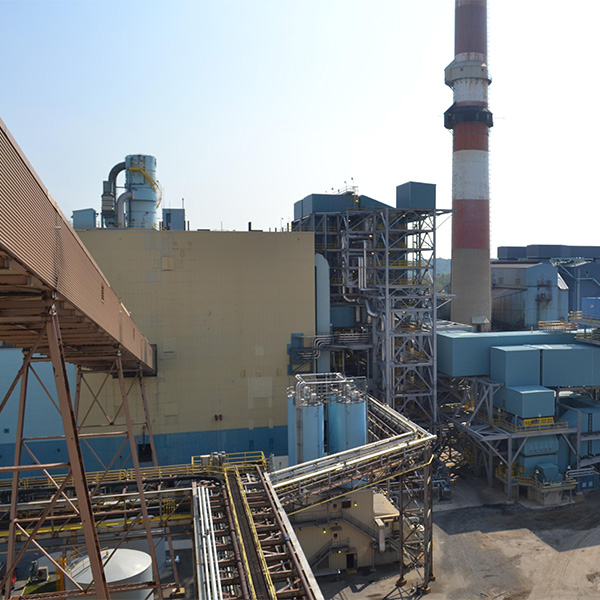
DOE is exceeding its authority by using Federal Power Act Section 202(c) to keep the J.H. Campbell coal plant in Michigan running under several consecutive “emergency” orders, opponents argued in recent court filings with the D.C. Circuit.
Yes Energy
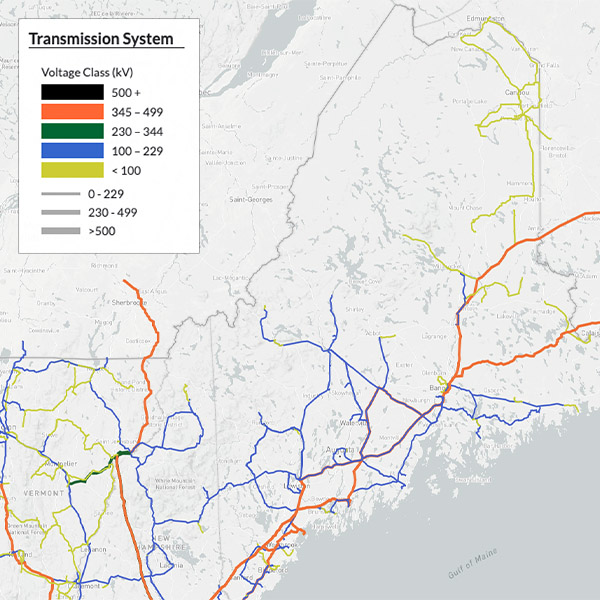
The Maine Public Utilities Commission, in collaboration with the regulators of four other New England states, issued a request for proposals to procure clean energy in northern Maine and 1,200 MW of transmission to connect it to the ISO-NE grid.

LoopNet
With a surge in interconnection requests from large load customers, Public Service Company of Colorado has fallen behind on processing applications, a situation that has sparked concern from state regulators.
New York Governor's Office
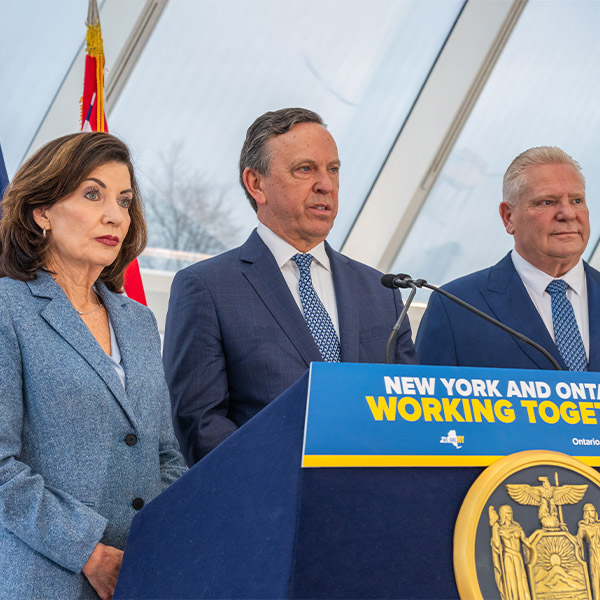
NYPA and OPG will share information, resources and institutional knowledge to support the economic, technology and workforce initiatives needed for advanced nuclear development on both sides of the border.
© RTO Insider
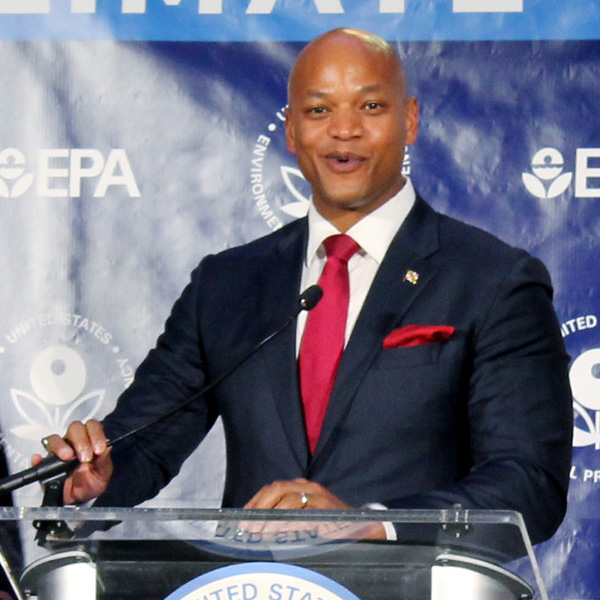
Gov. Wes Moore issued an executive order calling for reforms to boost electricity supply and ensure affordability, which will be implemented in part by the new executive director at the Maryland Energy Administration, Kelly Speakes-Backman.

Related Digital
The Michigan Public Service Commission approved a special contract that will allow DTE Energy to continue its plans to supply a hotly contested, $7 billion data center with nearly 1.4 GW.
Shutterstock
The Maine Office of the Public Advocate has asked FERC to initiate evidentiary hearing procedures to answer questions about the prudency of investments by New England transmission owners in asset condition projects placed in service in 2022.
Shutterstock
The House passed the SPEED Act, which aims to cut the timelines and litigation around NEPA reviews, but Democrats urged their Senate colleagues to improve the bill in a chamber where their votes are needed for passage.
Shutterstock
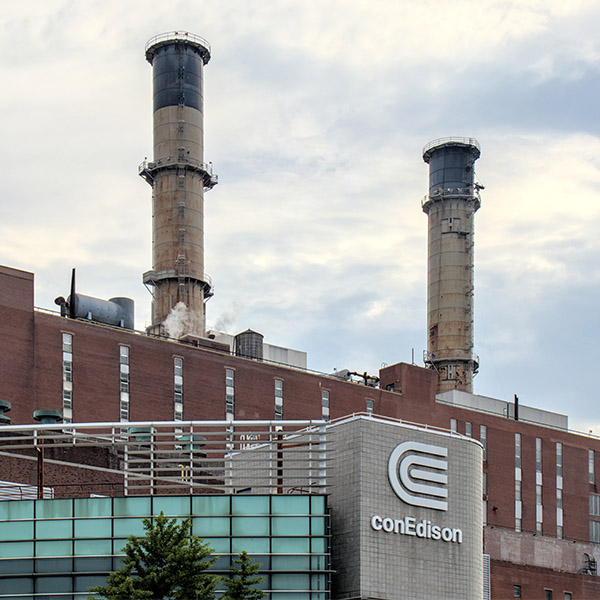
Consolidated Edison has been tasked with creating a contingency plan to avert the energy shortfall that it and NYISO have warned may develop in New York City.
Michigan Public Power Agency
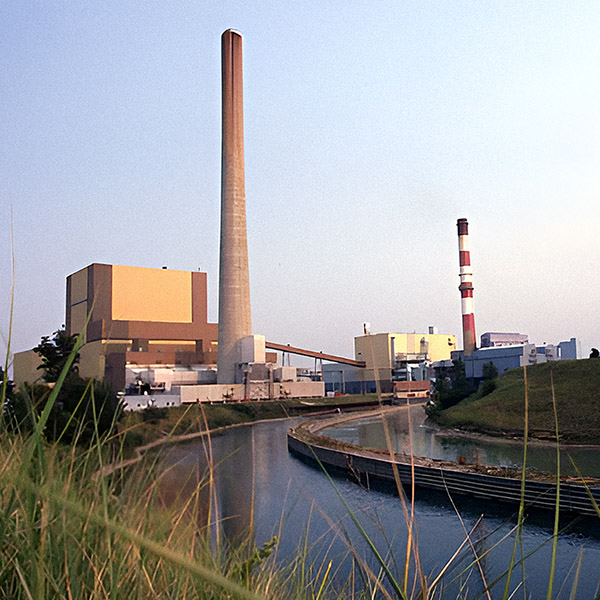
MISO officials clarified the J.H. Campbell coal plant — kept online and in retirement limbo by the Department of Energy’s series of emergency orders — is not eligible for the RTO’s capacity market and is not receiving special treatment for dispatch.
Want more? Advanced Search