Public Policy
Environmental RegulationsReliabilityState & RegionalAlabamaAlaskaArizonaArkansasCaliforniaColoradoConnecticutDelawareDistrict of ColumbiaFloridaGeorgiaHawaiiIdahoIllinoisIndianaIowaKansasKentuckyLouisianaMaineManitobaMarylandMassachusettsMichiganMinnesotaMississippiMissouriMontanaNebraskaNevadaNew HampshireNew JerseyNew MexicoNew YorkNorth CarolinaNorth DakotaOhioOklahomaOntarioOregonPennsylvaniaRhode IslandRTO-IndianaSouth CarolinaSouth DakotaTennesseeTexasUtahVermontVirginiaWashingtonWest VirginiaWisconsinWyoming

California Governor's Office
The 2025 California legislative session ended in disappointment for virtual power plant proponents, as several VPP-related bills were vetoed and funding fell through for an existing program.
Astoria Generating Co.
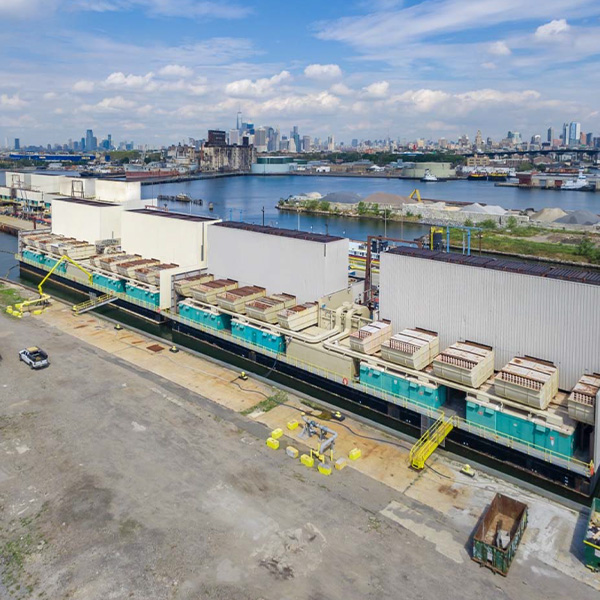
New York City could be short as much as 650 MW in capacity in the summer of 2026, according to NYISO’s Short Term Assessment of Reliability for the third quarter.
Lawrence Berkeley National Lab and Brattle Group
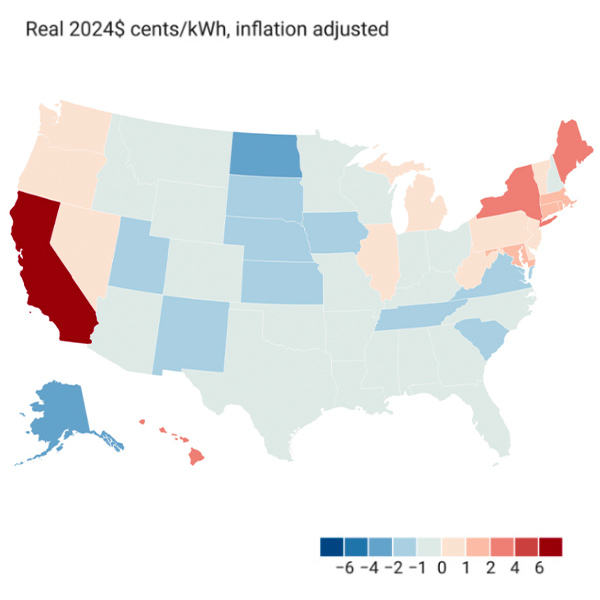
The Lawrence Berkeley National Laboratory released a paper recently examining why some states have seen retail power prices rise faster than inflation.
BLM
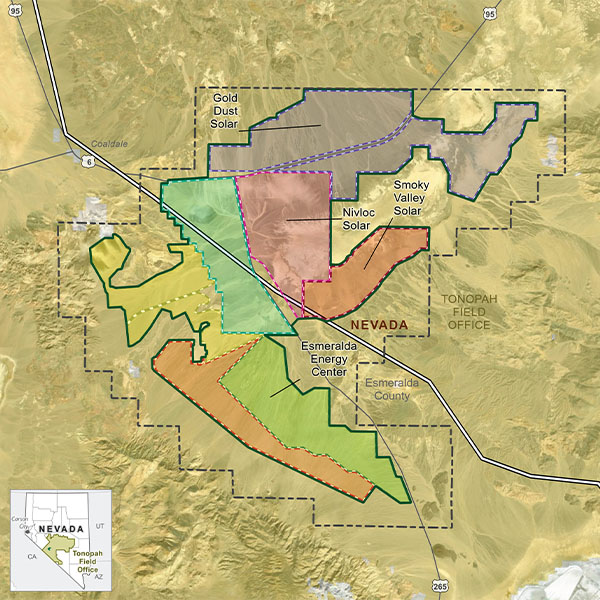
The fate of a 6.2-GW cluster of solar energy projects in western Nevada is uncertain following the Bureau of Land Management’s decision to break the group into individual projects for review.

Revolution Wind
The infrastructure that supports our ability to generate and move critically needed electrons relies heavily on a regulatory environment that offers some consistent level of predictability, says columnist Peter Kelly-Detwiler.

© RTO Insider LLC
The challenges of meeting soaring forecasts of data center load growth dominated the Organization of PJM States Inc. (OPSI) Annual Meeting.
Climate Central
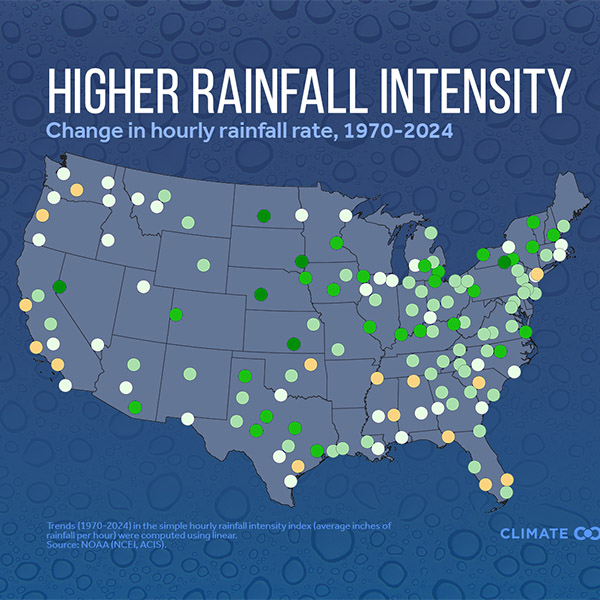
For grid operators, power generators and utilities, the rise in extreme rain events both causes immediate damage and requires long-term planning to minimize future damage.

Mayor Wendy Landry
IESO and the Ontario Energy Board have added three new members to their governing bodies — including two Indigenous women mayors.
© RTO Insider LLC
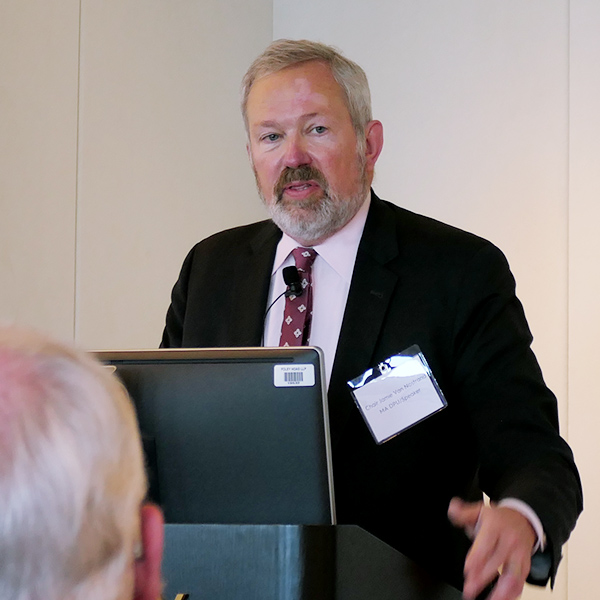
Two and a half years after taking the helm at the Massachusetts DPU, Chair Jamie Van Nostrand is leaving after leading it through a series of major changes in its approach to natural gas regulation.
ERCOT
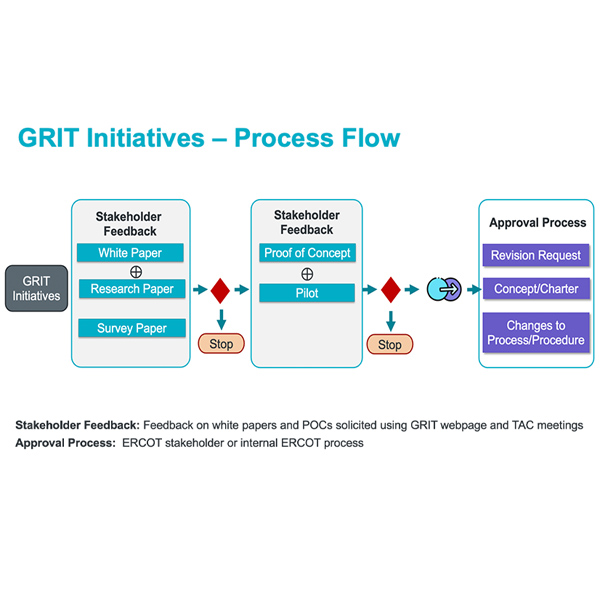
ERCOT introduced a new initiative to advance research and evaluate emerging concepts and solutions in the face of an evolving grid and new technologies.
Want more? Advanced Search