Public Policy
Environmental RegulationsReliabilityState & RegionalAlabamaAlaskaArizonaArkansasCaliforniaColoradoConnecticutDelawareDistrict of ColumbiaFloridaGeorgiaHawaiiIdahoIllinoisIndianaIowaKansasKentuckyLouisianaMaineManitobaMarylandMassachusettsMichiganMinnesotaMississippiMissouriMontanaNebraskaNevadaNew HampshireNew JerseyNew MexicoNew YorkNorth CarolinaNorth DakotaOhioOklahomaOntarioOregonPennsylvaniaRhode IslandRTO-IndianaSouth CarolinaSouth DakotaTennesseeTexasUtahVermontVirginiaWashingtonWest VirginiaWisconsinWyoming
DOE
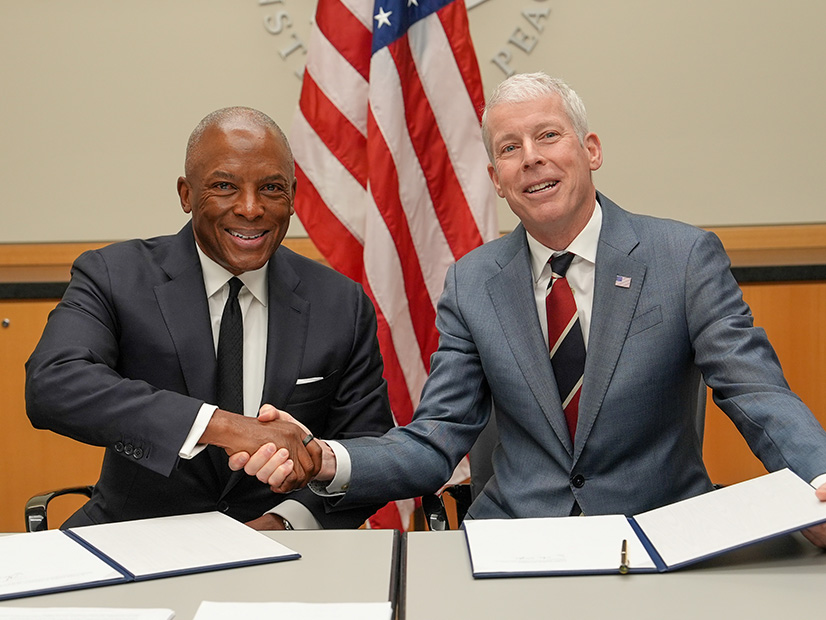
Southern Co. will receive $26.5 billion in loans to support generation and transmission upgrades.
FERC
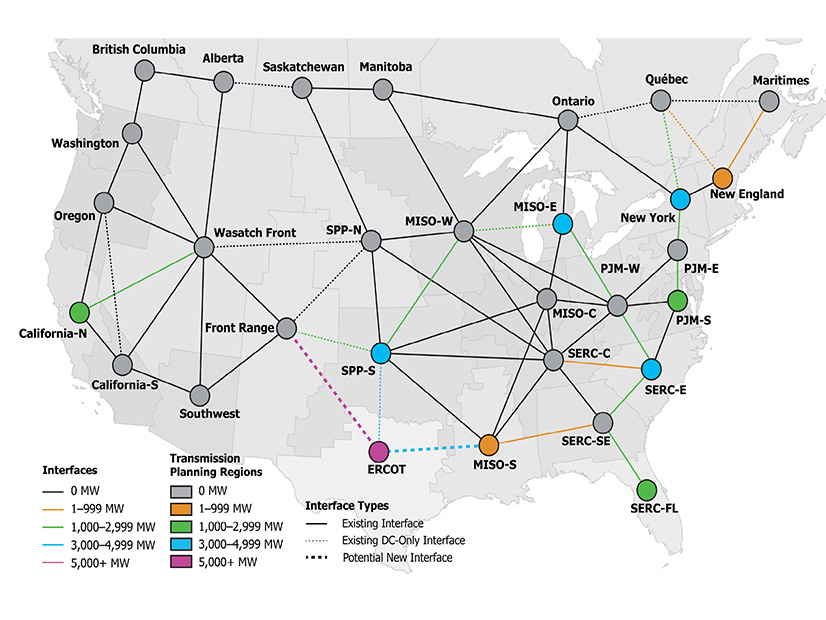
FERC declined to suggest any minimum interregional transfer capability requirements in a report to Congress.

© RTO Insider
Louisiana utility players described their pull-out-all-the-stops, gas-propelled campaign to attract data centers as another hyperscaler announced plans for a new artificial intelligence-training facility in the state.
Washington State Department of Transportation
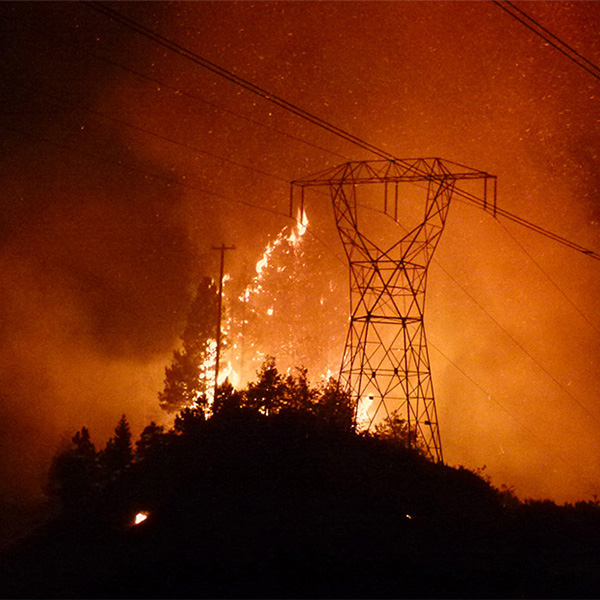
Permitting delays can exacerbate risks for electric transmission lines to spark wildfires, experts told the U.S. House Natural Resources Subcommittee on Water, Wildlife and Fisheries.
Shutterstock
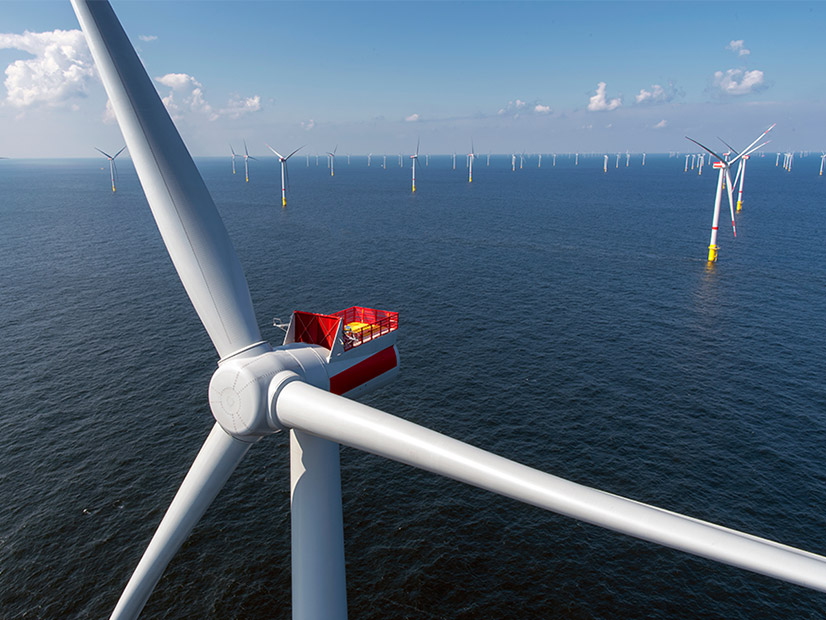
Oregon released a draft road map to provide state lawmakers with recommendations on how to proceed with offshore wind endeavors, while acknowledging the uncertainty the industry faces.

Colonial Pipeline
Opinion writer Shahid Mahdi worries about the cybersecurity risks of co-location, and asks if a co-located data center is hit with ransomware, does the nuclear plant have to trip offline?
AdminMonitor
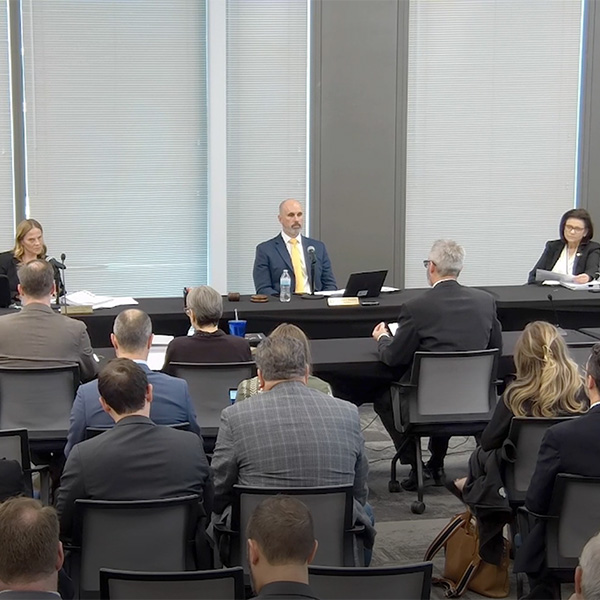
ERCOT staff have promised more clarity on the link between the initial batch study process for large loads and the subsequent studies and existing planning structure during an upcoming workshop.
Dominion Energy
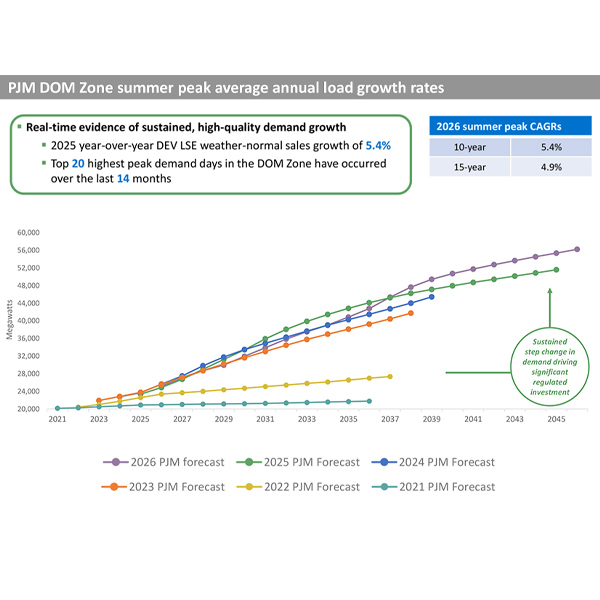
Dominion Energy updated analysts on its efforts to complete a major offshore wind project and to meet rising demand from data centers on its fourth-quarter earnings call.
Tri-State Generation and Transmission Association
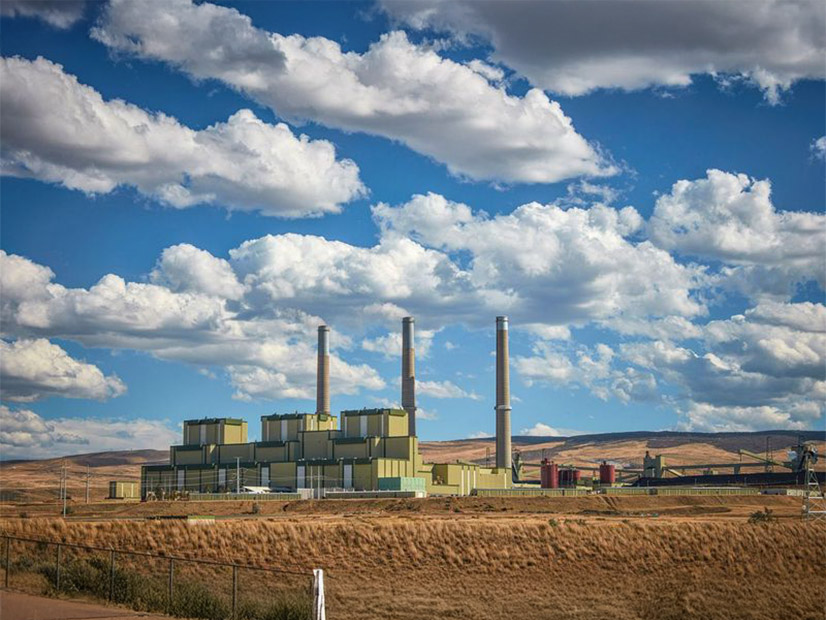
A bill in the Colorado legislature seeks to reduce the environmental impact of federal orders delaying the retirement of coal-fired power plants.
Oklahoma Municipal Power Authority
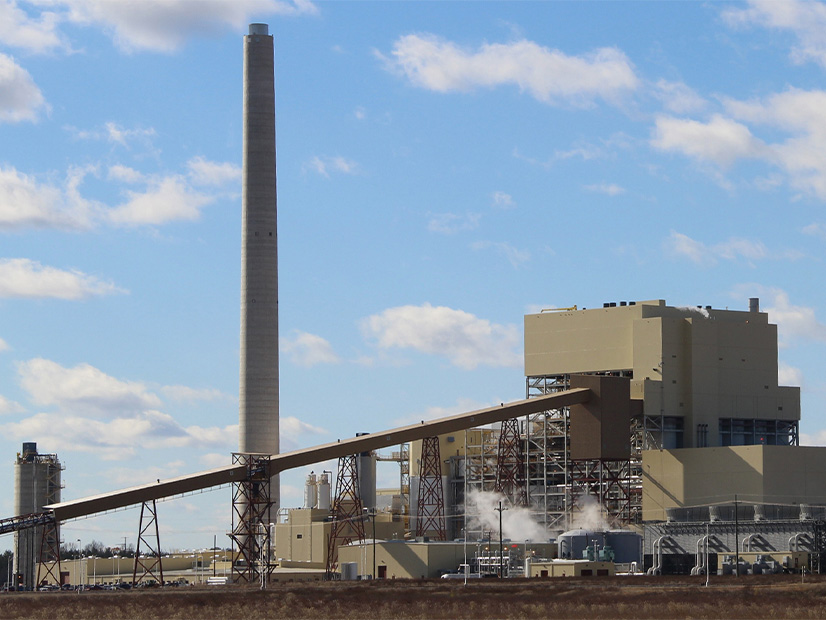
EPA revoked its 2024 updates to the MATS rules, which included regulation of non-mercury emissions and monitoring equipment requirements for all covered power plants.
Want more? Advanced Search