Environmental Regulations
FunksBrother, CC BY-SA-4.0, via Wikimedia
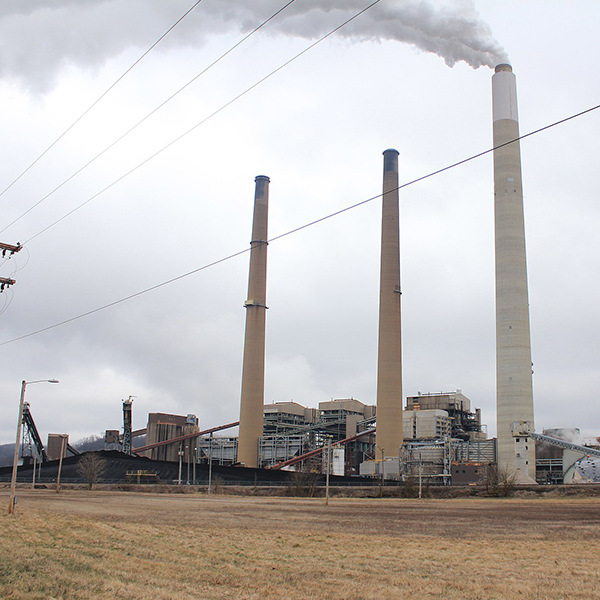
A panel of legal experts said the Supreme Court decision in West Virginia v. EPA could place constraints on congressional efforts to address climate change.
CNN
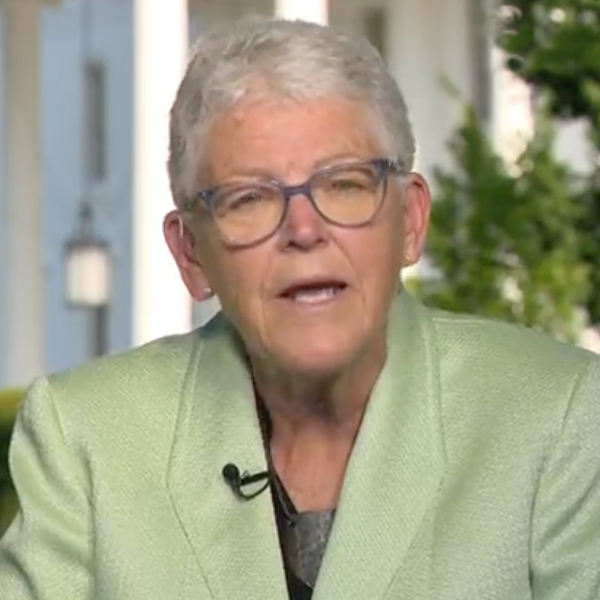
The Biden administration will continue to seek private industry's help in cutting GHG emissions following the Supreme Court ruling limiting EPA's powers.
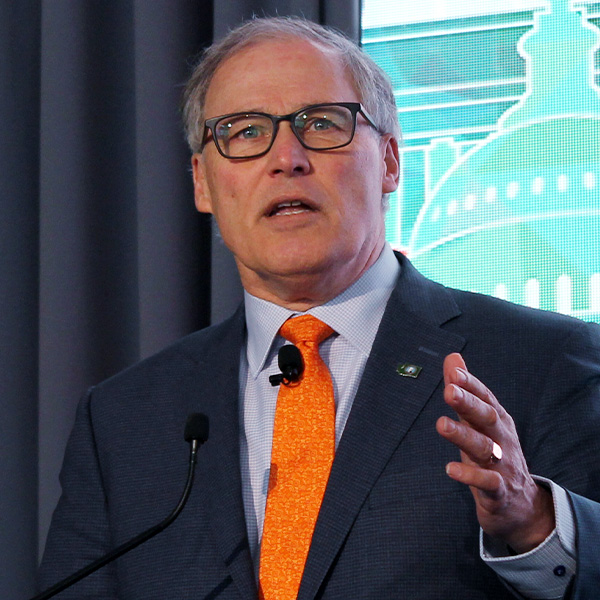
Reactions to the Supreme Court’s decision in West Virginia v. EPA came fast and, predictably, framed with an eye on the upcoming midterm elections.
© RTO Insider LLC
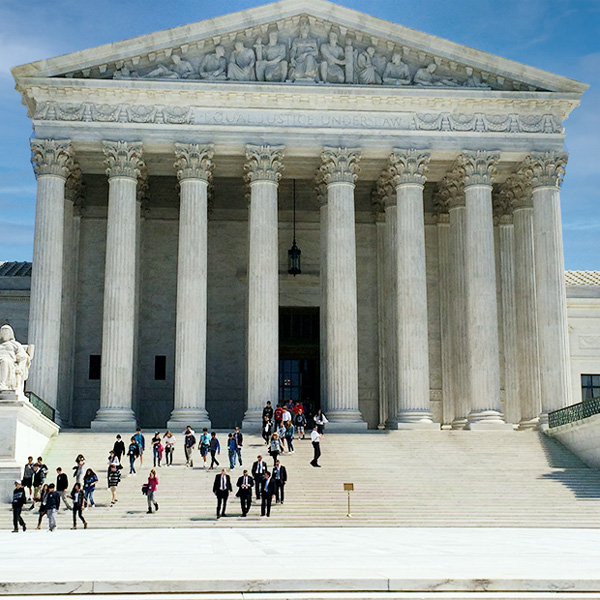
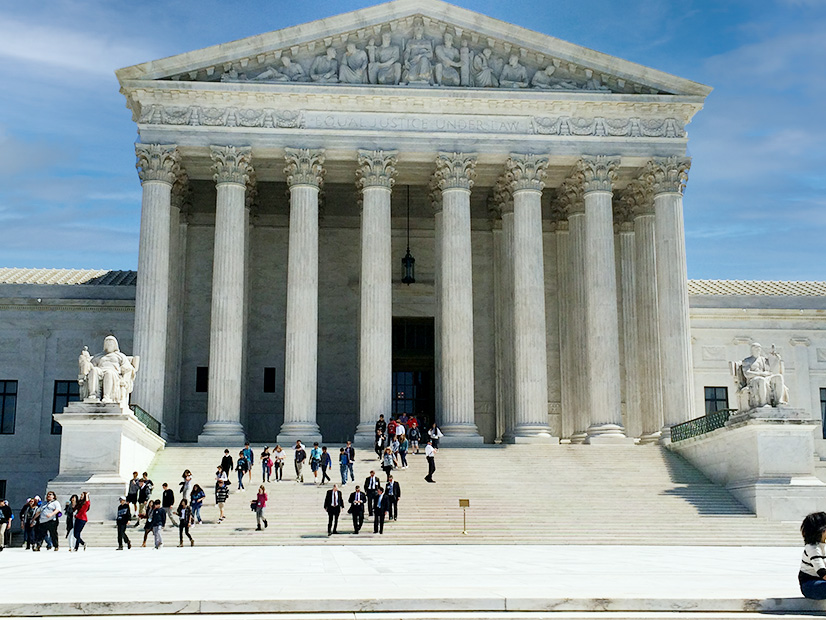
The Supreme Court ruled that EPA lacks authority to compel generation shifting to reduce CO2 emissions, citing a lack of “clear congressional authorization.”
© RTO Insider LLC
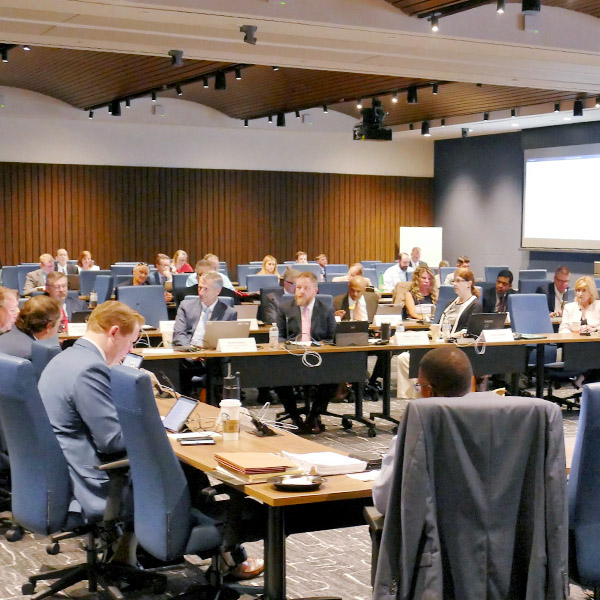
ERCOT’s Board of Directors has resolved one of two contentious issues between staff and stakeholders, setting the other aside for the time being.
Principle Power
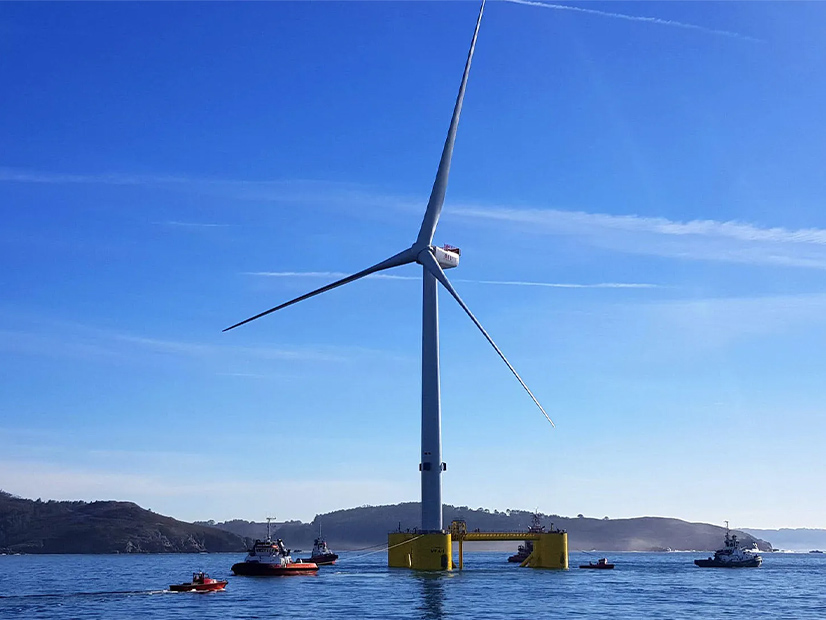
The California Coastal Commission gave conditional approval to BOEM's plans to conduct offshore wind auctions this fall, a significant regulatory milestone.
Dominion Energy
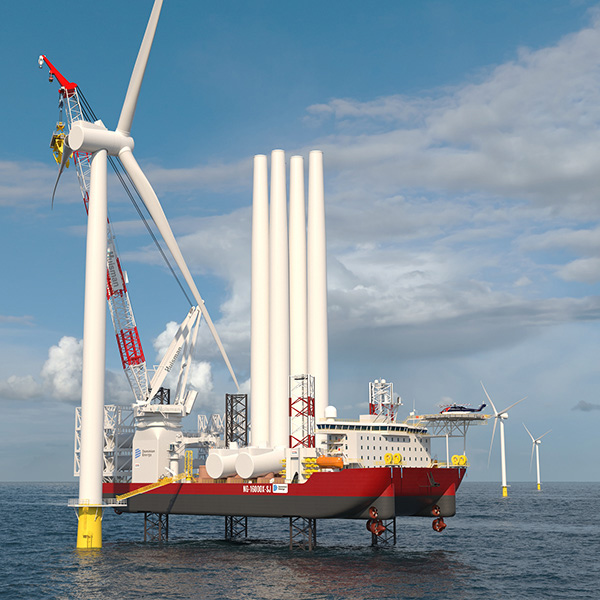
Dominion Energy announced during its first-quarter earnings call that it had filed with the Virginia SCC to suspend its rider through RGGI.
Pattern Energy
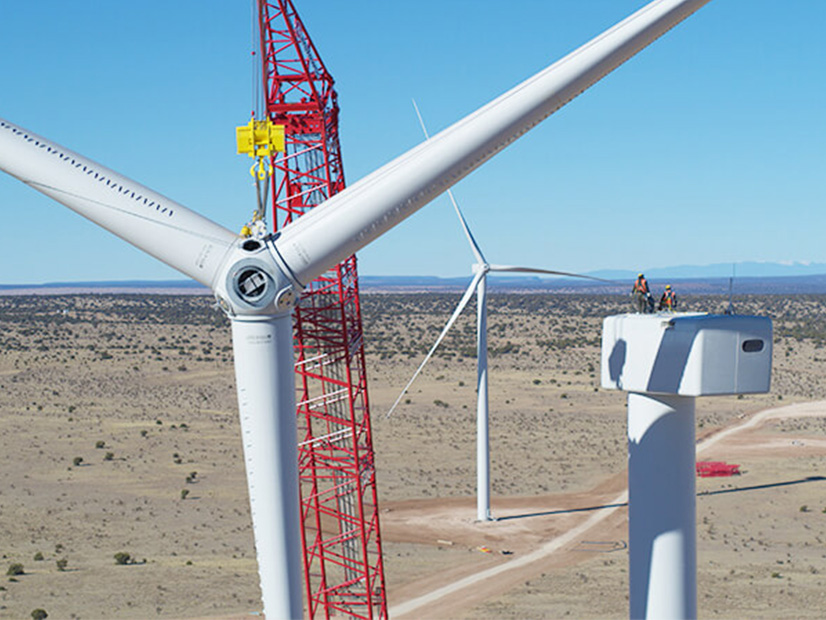
Expansion of the transmission grid to accommodate decarbonization will require humility from developers and support by states, speakers told an AEE webinar.

© RTO Insider LLC
EPA Administrator Michael Regan is confident the electric power sector will continue cutting GHG emissions despite a challenge to the agency’s authority.
© RTO Insider LLC
The Supreme Court’s liberals defended EPA’s power to issue “beyond-the-fence-line” rules on power plants in a challenge by the coal industry and 20 states.
Want more? Advanced Search