Reliability
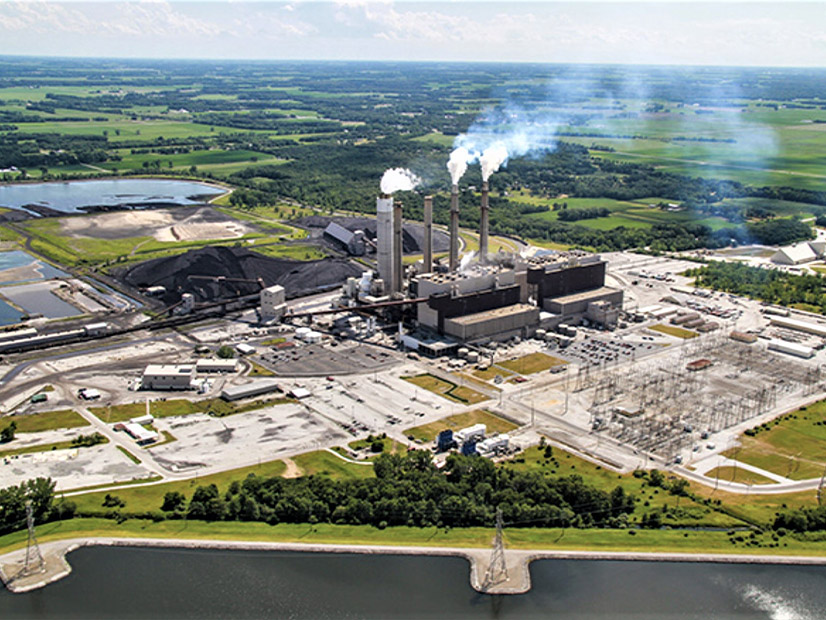
NIPSCO
FERC granted a MISO Midwest-wide cost allocation for Northern Indiana Public Service Co.’s and CenterPoint Energy’s coal plants kept online by order of the U.S. Department of Energy.
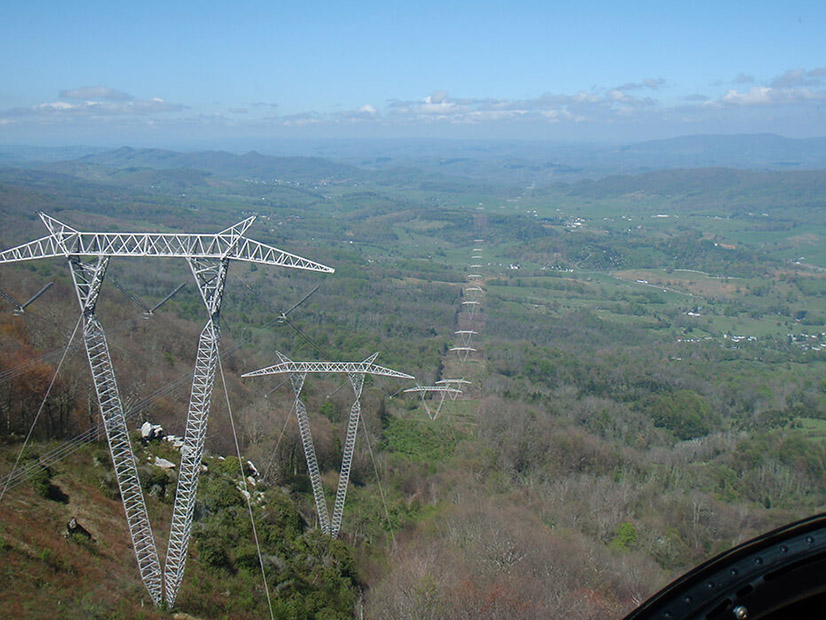
AEP
The Trump administration announced billions of dollars in investments from a deal it struck with Japan, which will help build natural gas plants to serve hyperscale data centers, including at a defunct uranium production site owned by DOE in Ohio.
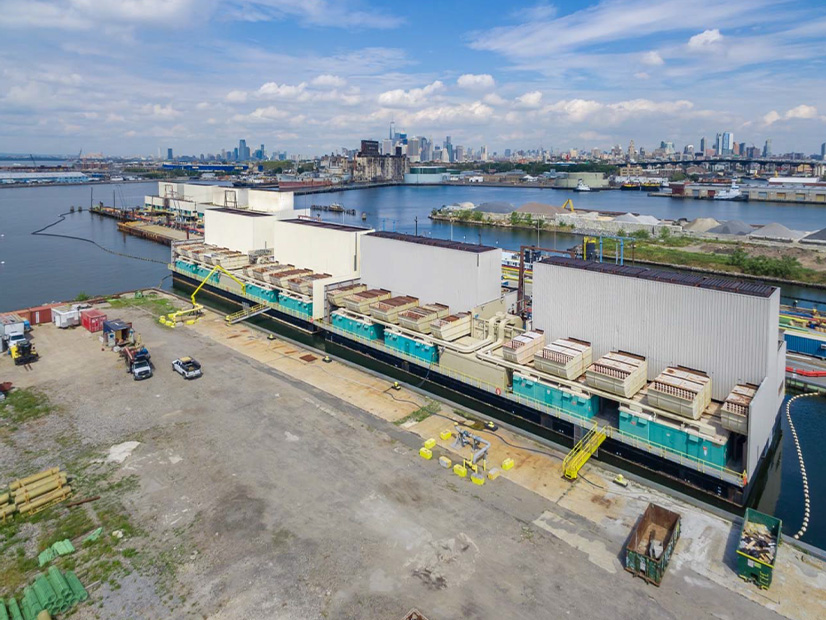
Astoria Generating Company
Alpha Generation, owner and operator of the Gowanus and Narrows floating power plants in New York City, has proposed replacing the six peaking units with three lower-emitting ones in response to Consolidated Edison’s solicitation for solutions to the city’s reliability need.
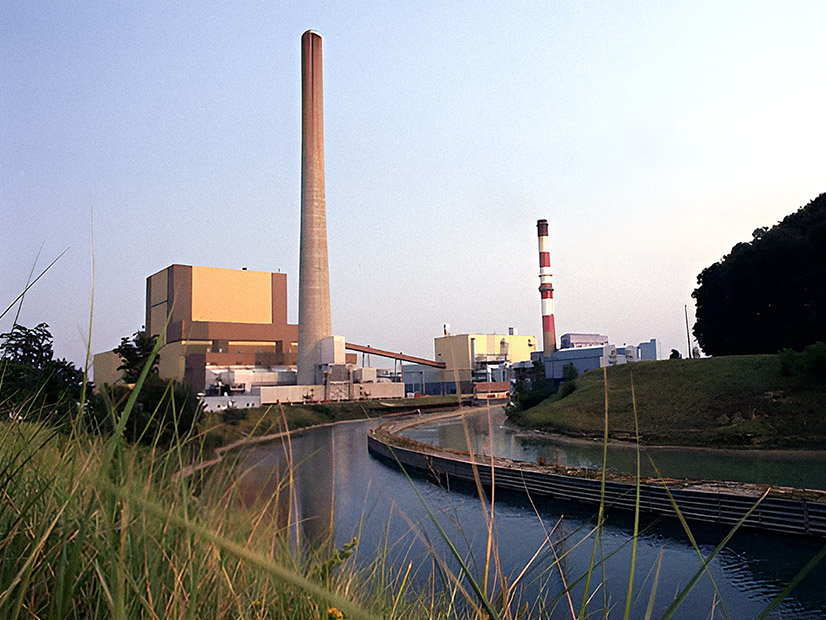
Michigan Public Power Agency
The Department of Energy argued its use of Section 202(c) of the Federal Power Act to keep retiring power plants online is well within its authority in response to an ongoing emergency on the grid.
Grid Strategies
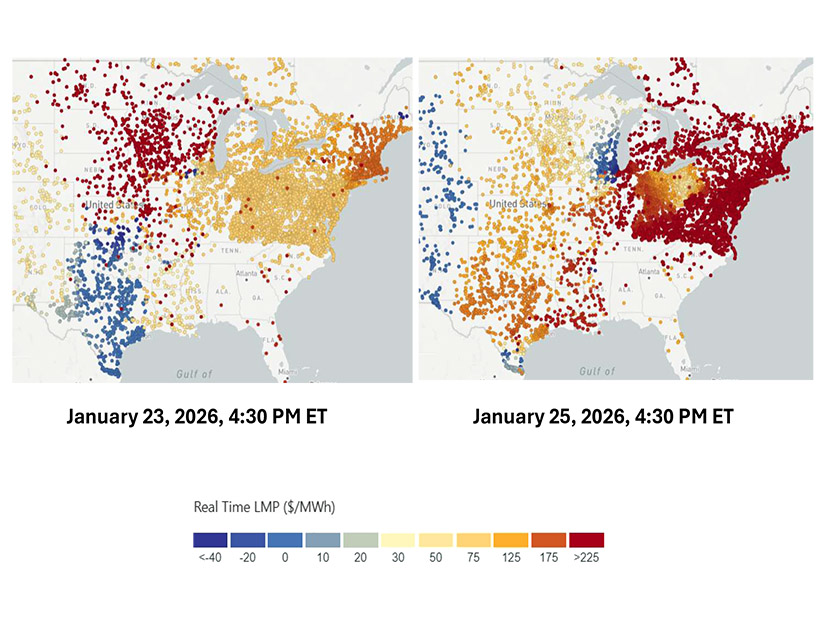
NERC CEO Jim Robb said in congressional testimony that while the bulk power system made it through the late January winter storm reliably, the weather highlighted how at risk it is.
Steven Baltakatei Sandoval, CC BY-SA 4.0, via Wikimedia Commons
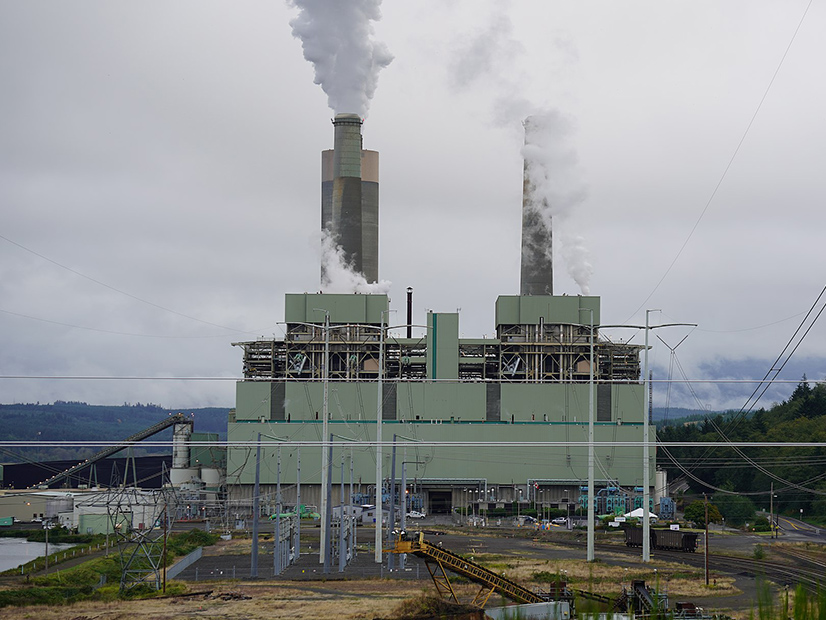
The Department of Energy extended an order that will continue to keep Washington’s last remaining coal-fired plant open past its long-scheduled retirement at the end of 2025.
Virginia Department of Historic Resources
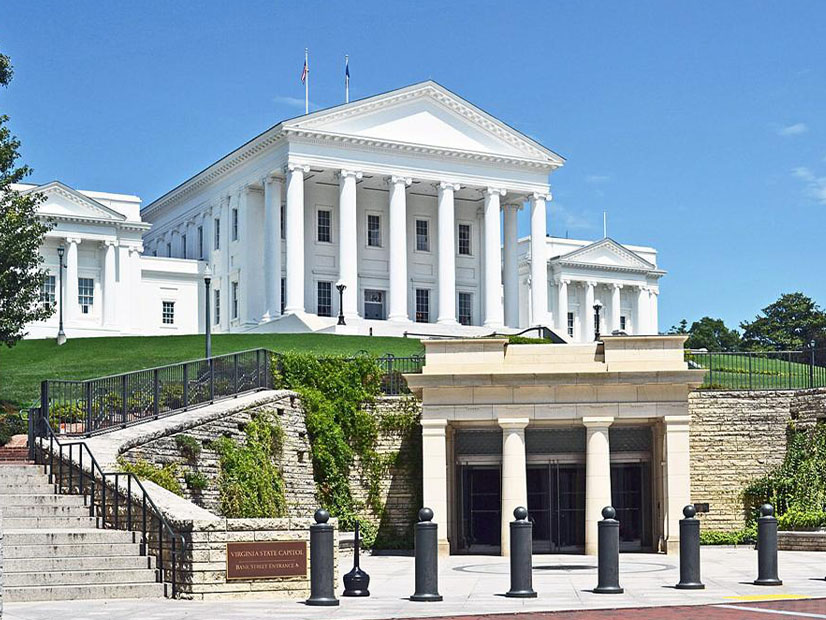
The Virginia General Assembly wrapped up its session and Democrats used the power they won in November's elections to push through bills favoring clean energy as the state faces significant load growth from data centers.
Texas RE
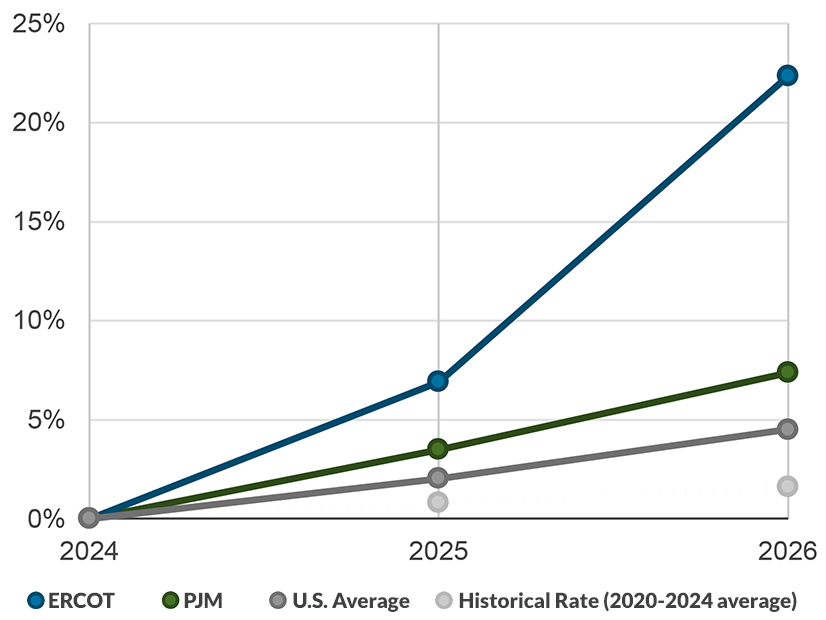
A speaker at a recent Texas RE webinar discussed the potential risks posed by the growth of artificial intelligence.
Microsoft
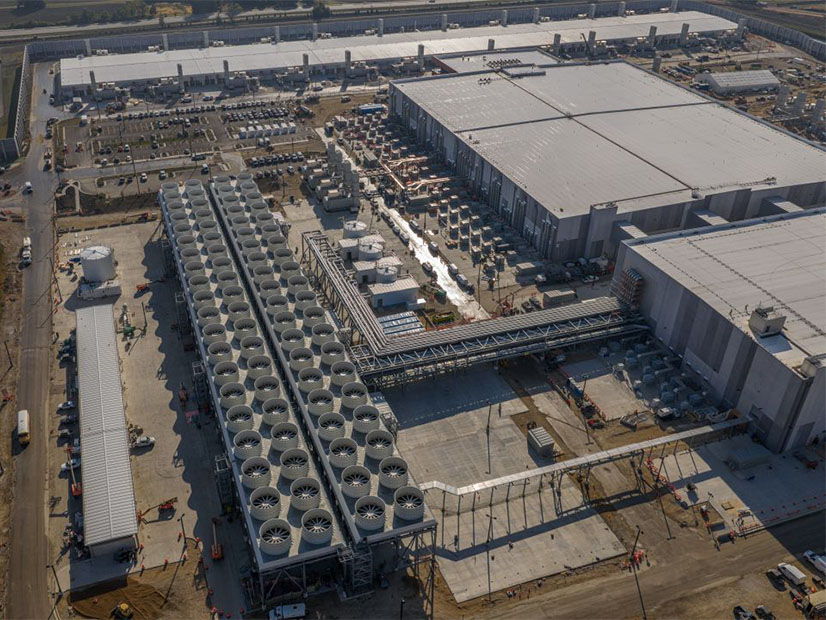
A new report argues for an infrastructure fund to entice data center developers to commit to modernizing the grid as they invest in upgrades required by their new demand.

Shutterstock
After receiving pan-sector feedback from stakeholders asking for more time to review NYISO's proposed changes to the reliability planning process, the ISO said it would delay proposing tariff language.
Want more? Advanced Search