State & Regional
AlabamaAlaskaArizonaArkansasCaliforniaColoradoConnecticutDelawareDistrict of ColumbiaFloridaGeorgiaHawaiiIdahoIllinoisIndianaIowaKansasKentuckyLouisianaMaineManitobaMarylandMassachusettsMichiganMinnesotaMississippiMissouriMontanaNebraskaNevadaNew HampshireNew JerseyNew MexicoNew YorkNorth CarolinaNorth DakotaOhioOklahomaOntarioOregonPennsylvaniaRhode IslandRTO-IndianaSouth CarolinaSouth DakotaTennesseeTexasUtahVermontVirginiaWashingtonWest VirginiaWisconsinWyoming
Shutterstock
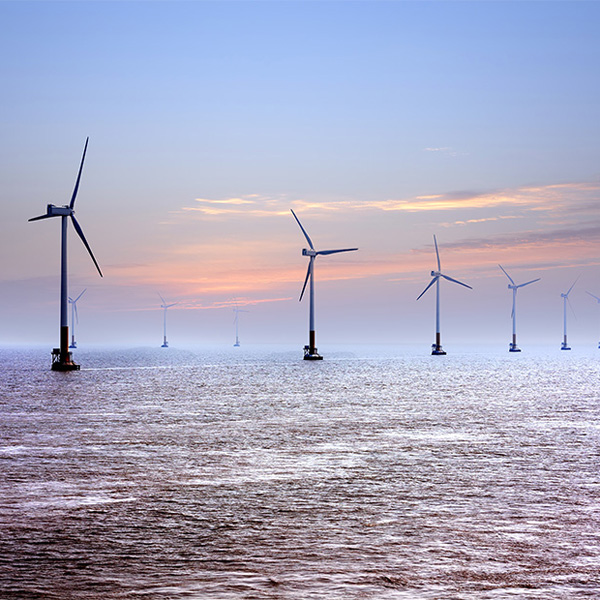
In the wake of the New York Public Service Commission’s decision to cease planning its offshore wind underwater transmission network, NYISO has followed suit, tossing two years of planning studies.
Shutterstock
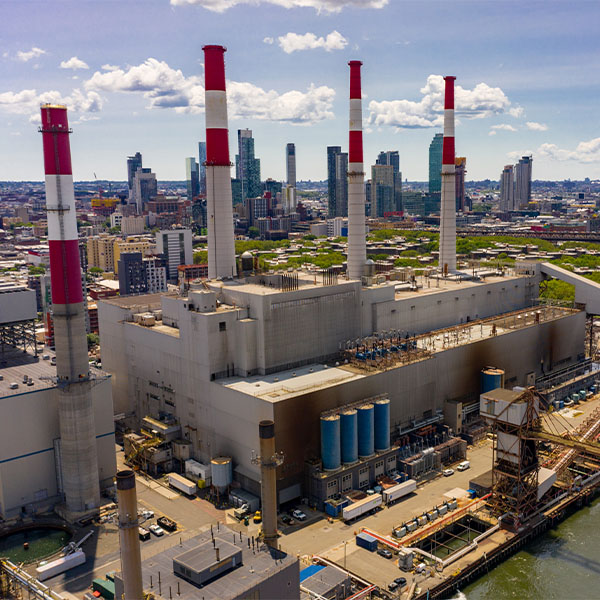
As it updates its energy to reflect new challenges to decarbonization, New York is contemplating what until recently seemed improbable: new fossil-fired generation.
Constellation Energy
FERC approved Constellation's purchase of Calpine, which will create an even bigger IPP with nearly 60 GW around the country, with the biggest share of that in PJM.

NYSERDA
The PSC shut down the process to build an underwater transmission network to bring electricity to shore from the hundreds of wind turbines the state hopes to see spinning off its coastline.
© RTO Insider LLC
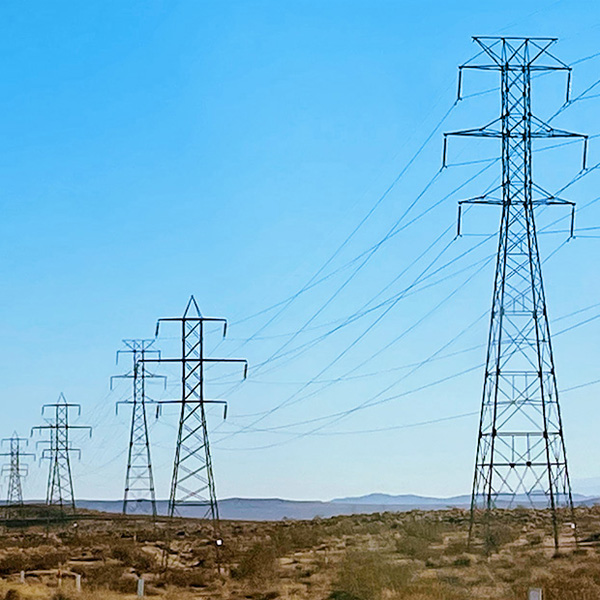
CAISO is asking the California Public Utilities Commission to consider issuing a new procurement order to meet the region’s electricity reliability needs from 2028-2032, citing significant forecasted load growth in those years.

California State Senate
A California Senate committee has advanced a bill aimed at increasing accountability and transparency of the state Public Utilities Commission.

Georgia Power
Georgia Power will add at least 6 GW of new generation capacity by 2031, and potentially as much as 8.5 GW, under its recently approved integrated resource plan.

Dominion Energy
The Virginia SCC ordered changes to Dominion's IRP filings, requiring scenarios that meet state clean energy goals and have an increased level of storage, efficiency and demand-side management.

Sen. Dave McCormick
New technology and energy facilities are planned for Pennsylvania at a cost of more than $90 billion, including multiple power plants and data centers, possibly co-located.
CAISO
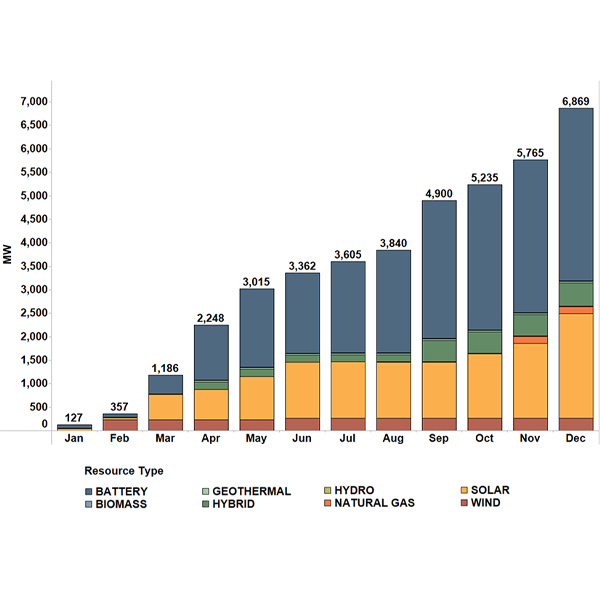
California should have plenty of electricity available to meet demand over the next few years, even during extreme weather events or if new energy resource installations are delayed, a California Energy Commission report said.
Want more? Advanced Search