State & Regional
AlabamaAlaskaArizonaArkansasCaliforniaColoradoConnecticutDelawareDistrict of ColumbiaFloridaGeorgiaHawaiiIdahoIllinoisIndianaIowaKansasKentuckyLouisianaMaineManitobaMarylandMassachusettsMichiganMinnesotaMississippiMissouriMontanaNebraskaNevadaNew HampshireNew JerseyNew MexicoNew YorkNorth CarolinaNorth DakotaOhioOklahomaOntarioOregonPennsylvaniaRhode IslandRTO-IndianaSouth CarolinaSouth DakotaTennesseeTexasUtahVermontVirginiaWashingtonWest VirginiaWisconsinWyoming
Ben Schumin, CC BY-SA-2.0, via Wikimedia
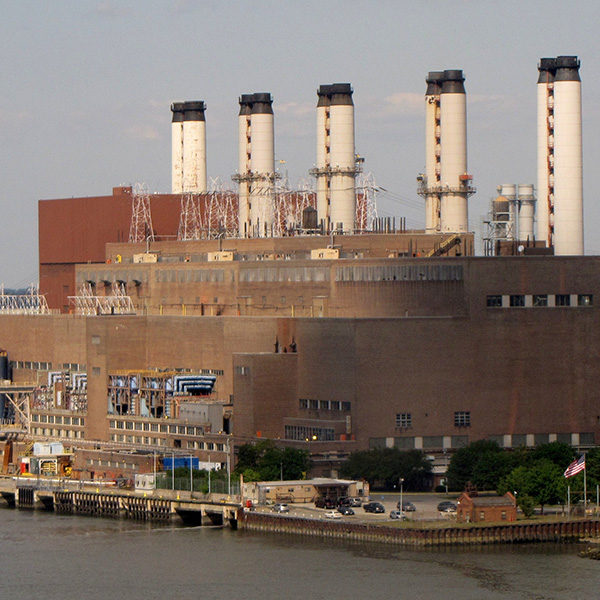
Earthjustice claimed that NYISO’s latest annual “Power Trends” report was full of misleading statements that favor new natural gas generation in a letter to New York state officials.

Shutterstock
NYISO performed an autopsy on the system conditions during the late June heat wave for the New York State Reliability Council at its Installed Capacity Subcommittee meeting.
Bonneville Power Administration
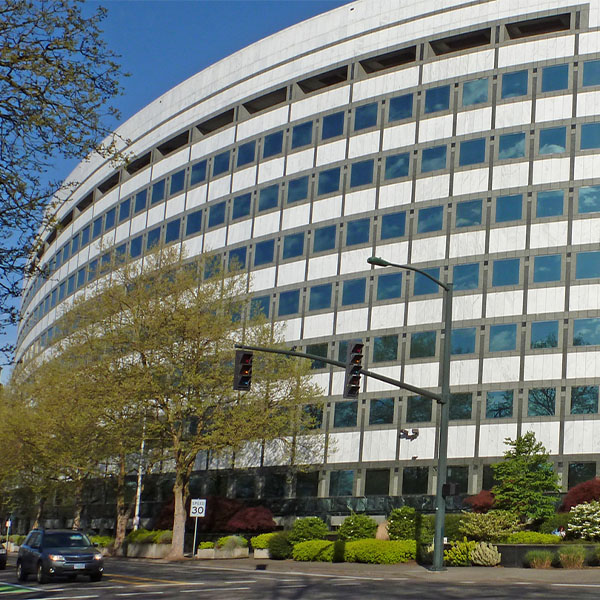
BPA said it is revising future power rates by removing millions of dollars of costs associated with a Biden administration agreement with Northwest tribes aimed at restoring salmon habitat and potentially breaching dams on the Snake River.
Invenergy
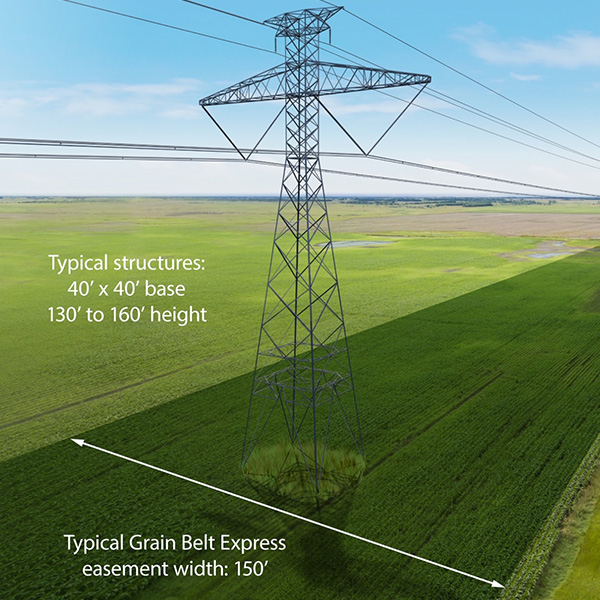
Invenergy is standing by the value of its $11 billion, 800-mile Grain Belt Express transmission project with a letter to Energy Secretary Chris Wright, who is said to have pledged to block the line.
AdminMonitor
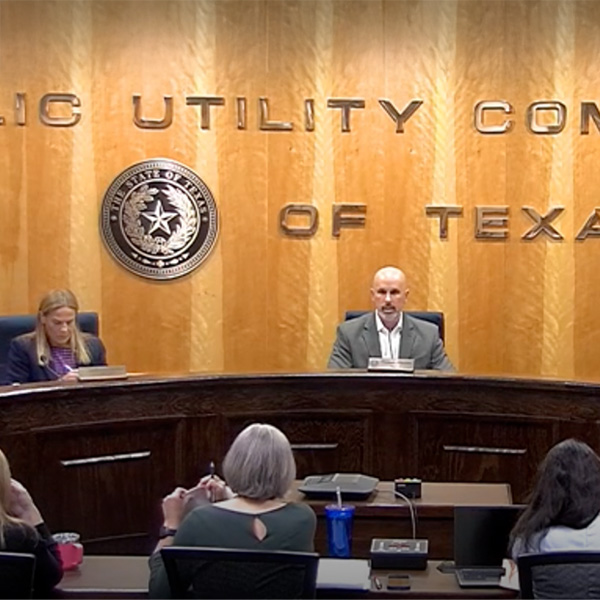
Texas regulators have approved two more system resiliency plans for state utilities with a focus on wildfire mitigation, following up on a requirement from the 2023 legislative session.

City of Nixa
The D.C. Circuit denied a review of a FERC decision that allowed SPP to incorporate transmission facilities into one of its pricing zones, spreading the costs to the zone’s customer base.

Entergy
The Southern Renewable Energy Association appeared before Entergy’s state regulators to urge them to think twice before considering leaving MISO for the Southeast Energy Exchange Market.
PGE
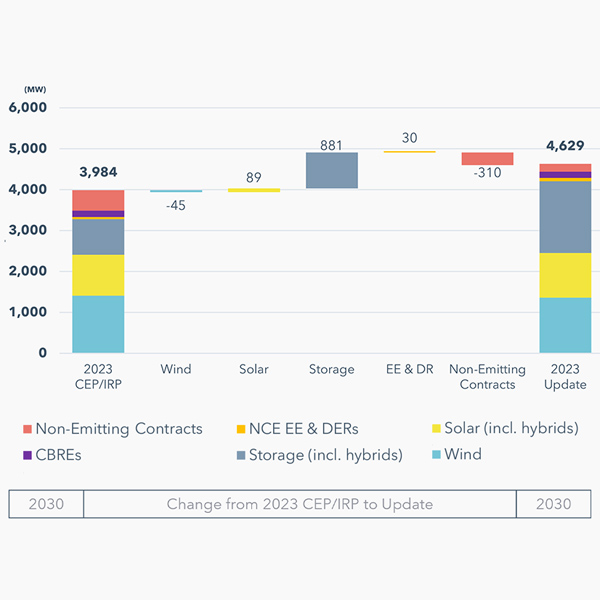
Portland General Electric’s need for new resources by 2030 has grown by 16%, largely because of a decreased capacity contribution from batteries, particularly in winter.

Shutterstock
The PUCO ruling seeks to ensure that other ratepayers are not stuck with paying for infrastructure upgrades made to accommodate data center power demand that does not materialize as requested.
Yes Energy
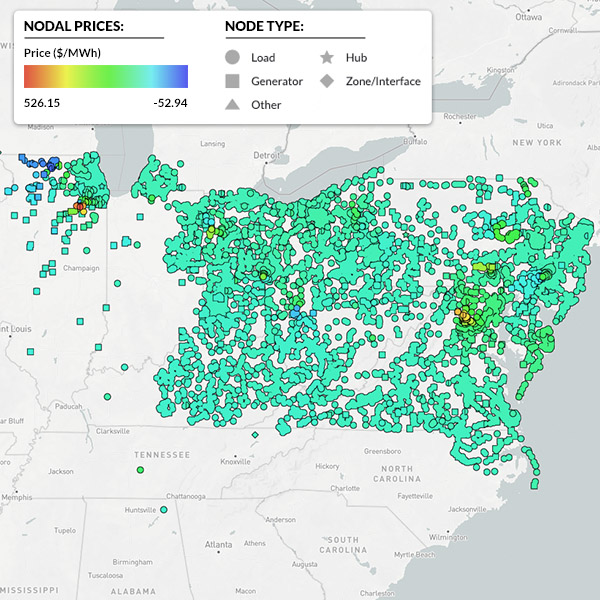
Anger over a recent dramatic rate hike and fears of energy shortfalls because of a predicted future rise in demand have prompted New Jersey to look anew at whether the state should consider pulling out of PJM.
Want more? Advanced Search