Energy Efficiency
Vermont Department of Tourism and Marketing
The Vermont Climate Council heard recommendations on how to reduce emissions for the electricity, thermal and transportation sectors.
Shutterstock
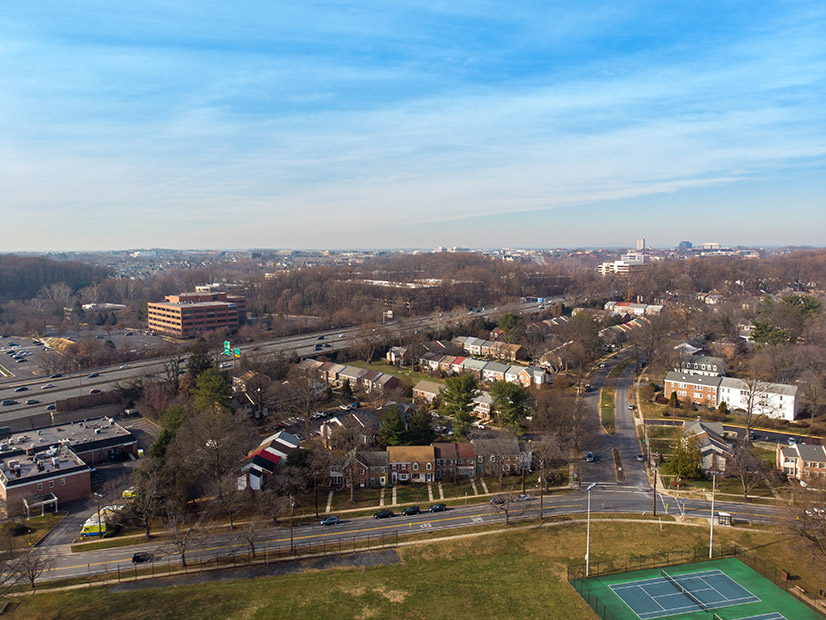
Maryland is looking at challenges of different pathways to building decarbonization, while Montgomery County explores solutions in energy performance standards.

© RTO Insider LLC
State regulators must change their thinking about the value of energy efficiency to meet net-zero goals, speakers told the NARUC Summer Policy Summit.
DOE
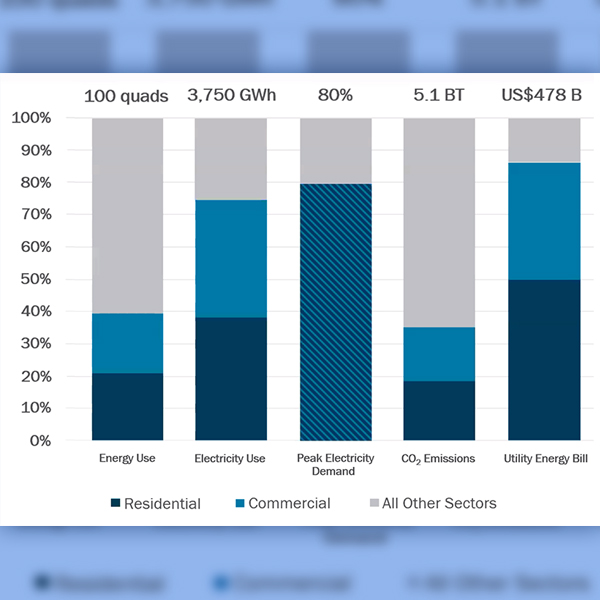
Updating building codes is “one of the easiest things we can do" to reduce emissions, Energy Secretary Jennifer Granholm said at a DOE conference.
City of New Bedford Mayor Jon Mitchell
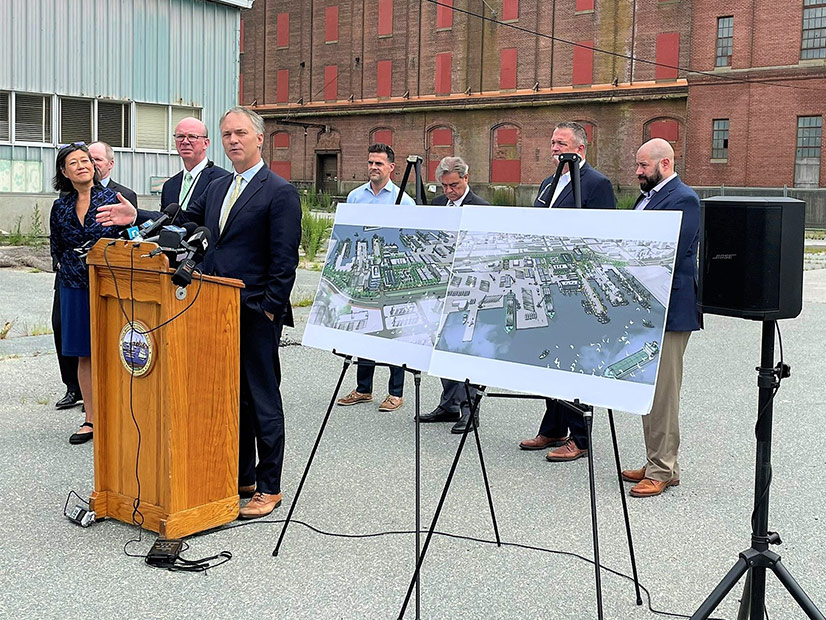
Vermont and Maine will put $136 million in federal aid into climate and energy initiatives; Massachusetts is looking to spend $400 million on those sectors.
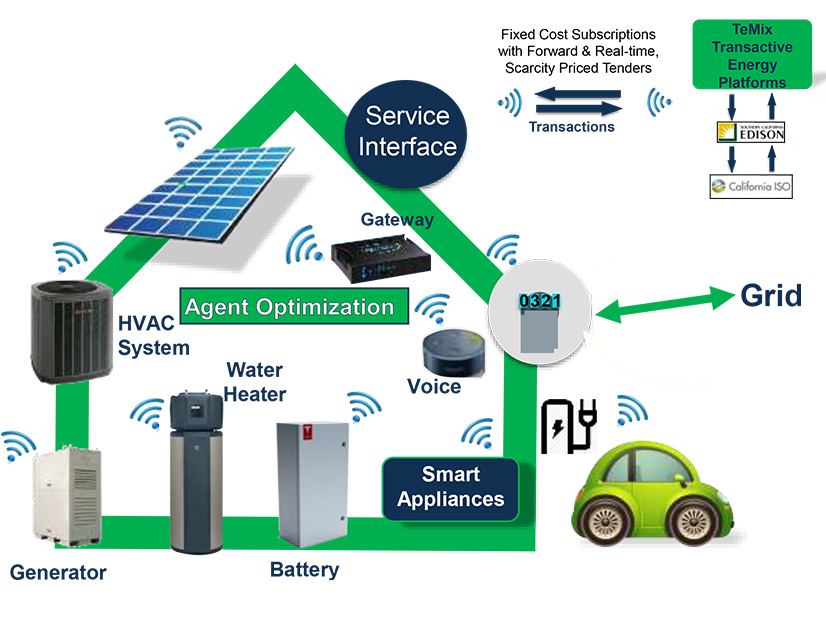
TeMix
Officials at a SEPA webinar discussed a transactive market platform pilot in California that proactively helps shift load and save customers money.

Beyond My Ken, CC BY-SA 4.0, via Wikimedia Commons
The current draft energy efficiency plan for Massachusetts does not envision meeting a new program-specific emission-reduction goal set by the state.

Arizona Public Service
Arizona regulators approved a demand management plan that includes incentives for homeowners who install battery storage with their rooftop solar system.
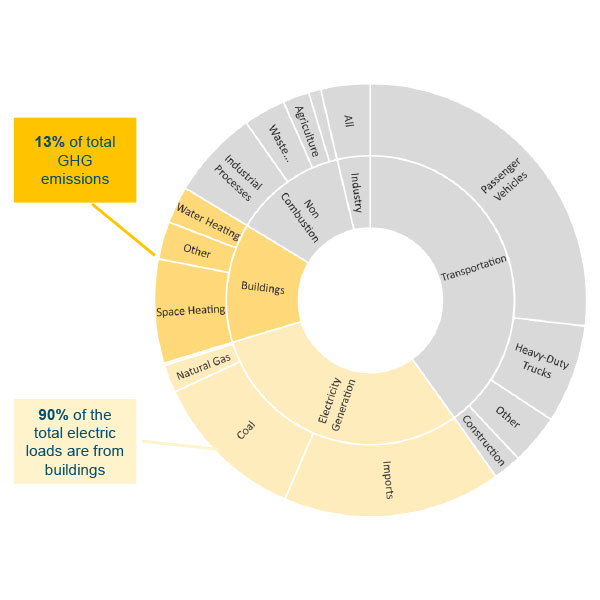
Energy+Environmental Economics
Maryland has several “feasible pathways” to eliminate greenhouse gas emissions from its buildings by 2045, according to a study presented to stakeholders.
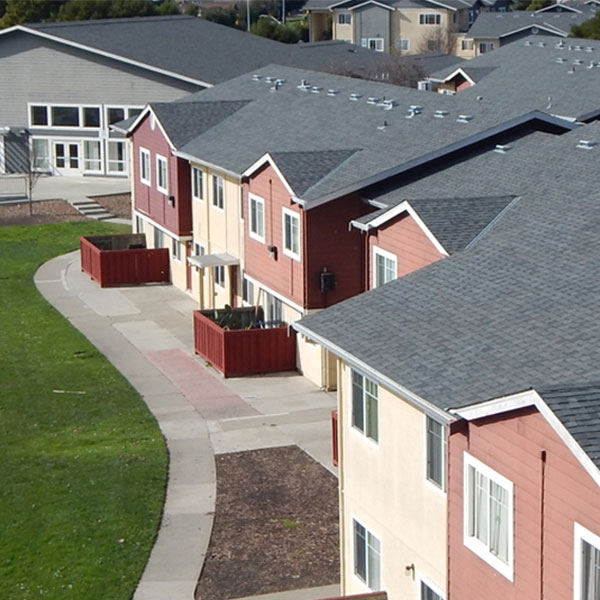
Marin Clean Energy
California utilities are finding ways to overcome the financial barriers to electrifying residences as the state pursues its net zero goals.
Want more? Advanced Search