Nuclear Power
DOE
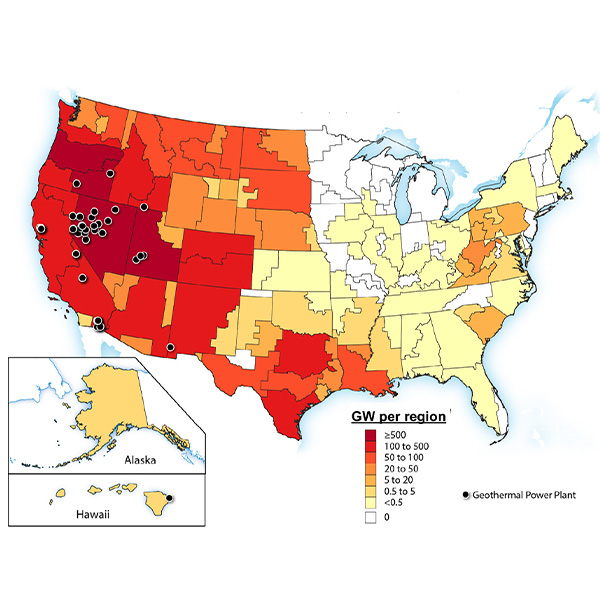
All seven clean energy technologies evaluated for a new report might someday help New York reach its decarbonization goals, but each would require innovation and support to reach that potential.
BWXT Advanced Technologies
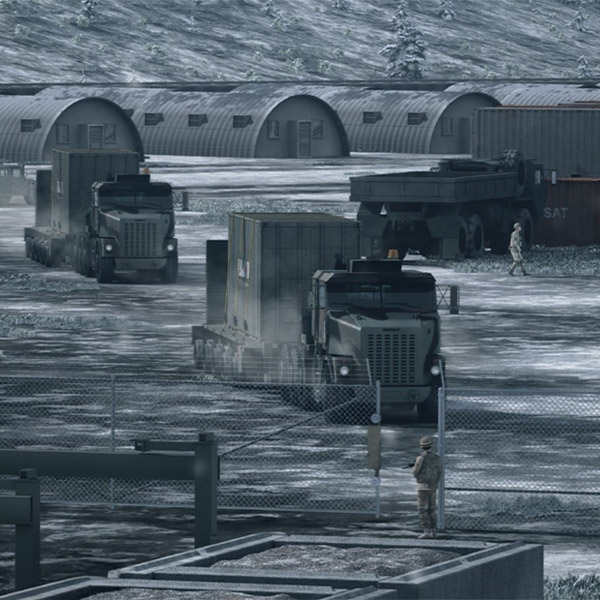
The U.S. Army’s new next-generation nuclear power program is wasteful, counterproductive and dangerous, says columnist Steve Huntoon.

© RTO Insider
ISO NE CEO Gordon van Welie talked about the evolving grid in New England and how markets are changing and what the future holds as state policies drive higher demand and increasing decarbonization.
Georgia Power
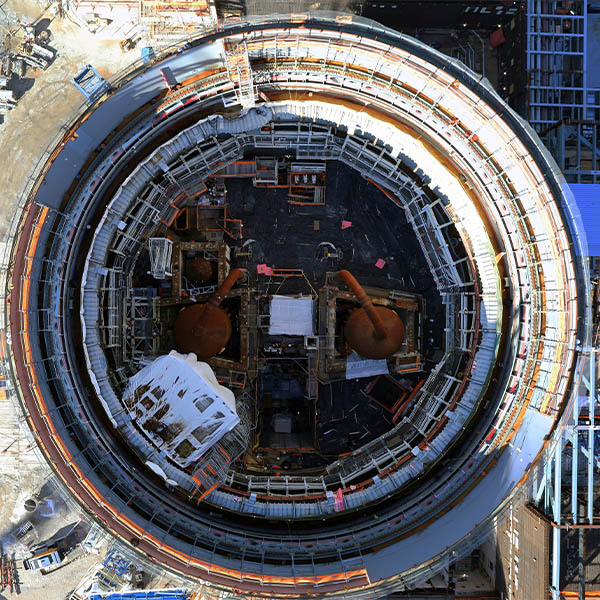
New nuclear generation holds promise for the U.S. and its energy industry if its challenges first can be overcome, panelists said during a Resources for the Future webinar.
Commonwealth Fusion Systems
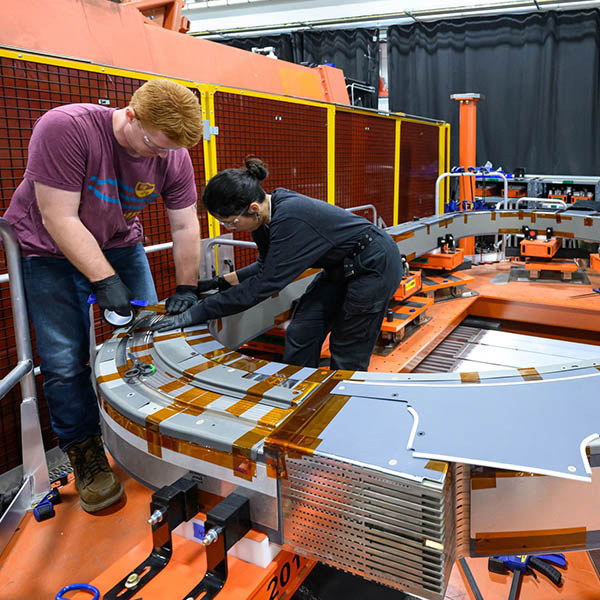
The Department of Energy's “Fusion Science and Technology Roadmap” seeks to accelerate progress toward the long-sought, long-elusive goal of commercially viable nuclear fusion power.

© RTO Insider LLC
The Ontario government’s efforts to align IESO and the Ontario Energy Board to make the province an energy “superpower” was the dominant theme at the 2025 Ontario Energy Conference.
© RTO Insider LLC
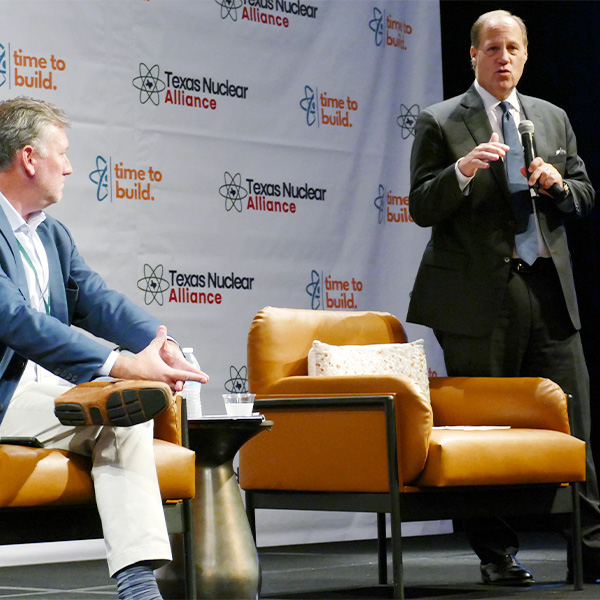
Texas nuclear industry experts are lauding Gov. Greg Abbott’s recent appointment of a leader for the Texas Advanced Nuclear Office, which will be responsible for funding mechanisms and regulatory support for nuclear power.
© RTO Insider
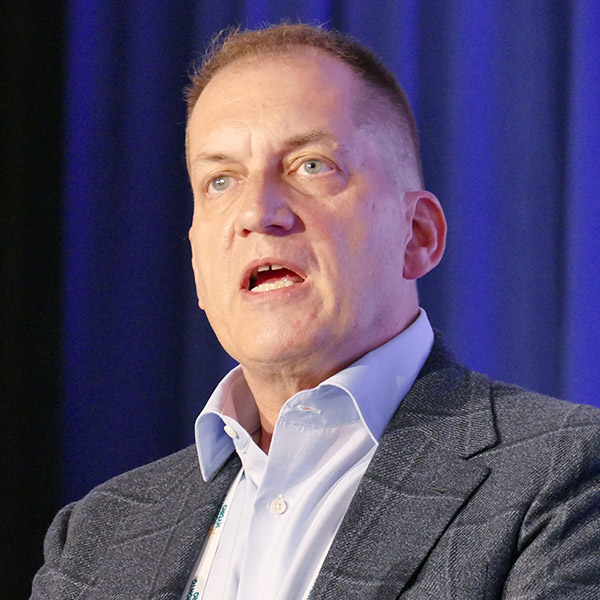
The Ontario government’s ambitious energy plan could prove costly to ratepayers if load growth stalls or new nuclear plants produce cost overruns, said A.J. Goulding, president of London Economics International.

Duke Energy
Duke Energy filed its long-range plan with the North Carolina Utilities Commission, calling for more natural gas-fired generation and batteries while keeping existing coal plants online to meet accelerated demand for electricity.
Savannah River Site
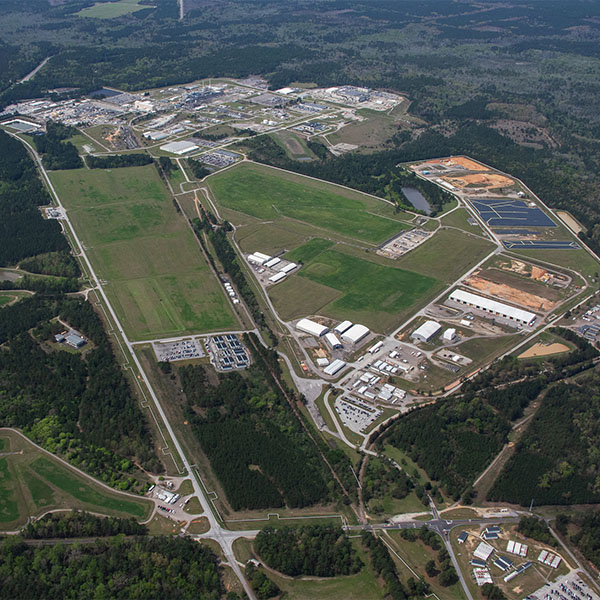
The U.S. Department of Energy is looking for developers that want to build artificial intelligence data centers — and the power generation to run them — on two nuclear sites.
Want more? Advanced Search