Commentary
Lawrence Berkeley National Laboratory
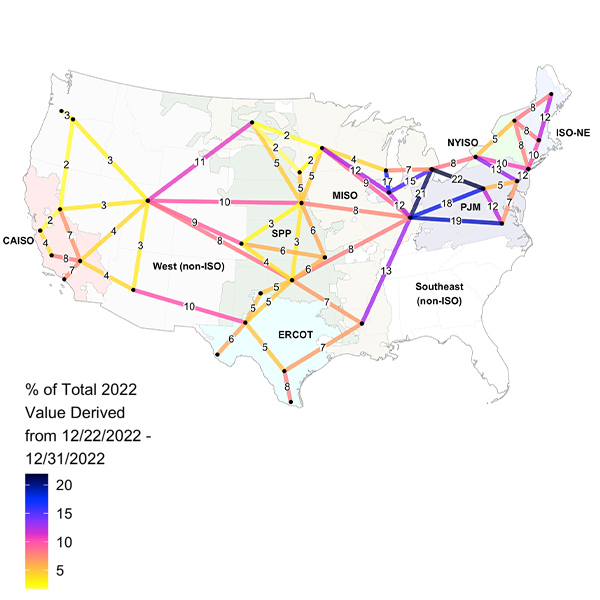
The U.S. power grid is no longer operating efficiently, and these inefficiencies are costing American consumers and threatening reliability, Clean Energy Venture Group's Nora Mead Brownell writes.
NYISO
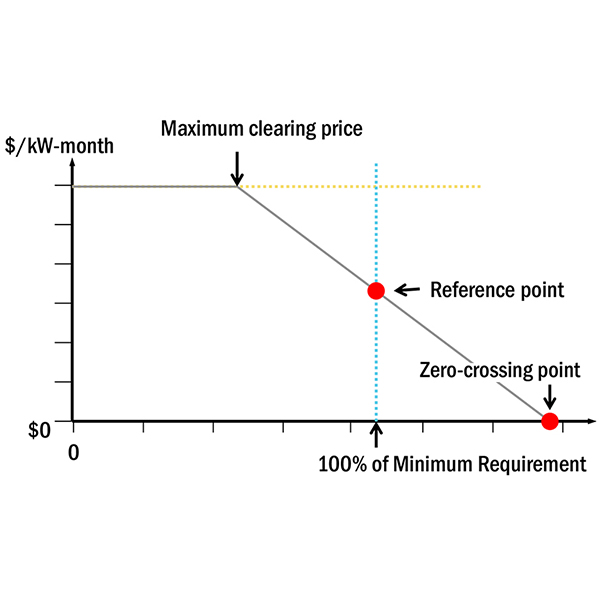
Dozens of states have adopted emission-reduction targets aimed at fighting climate change. But how should RTOs account for those initiatives when their effects are delayed, uncertain, expensive for consumers or all of the above?
NERC
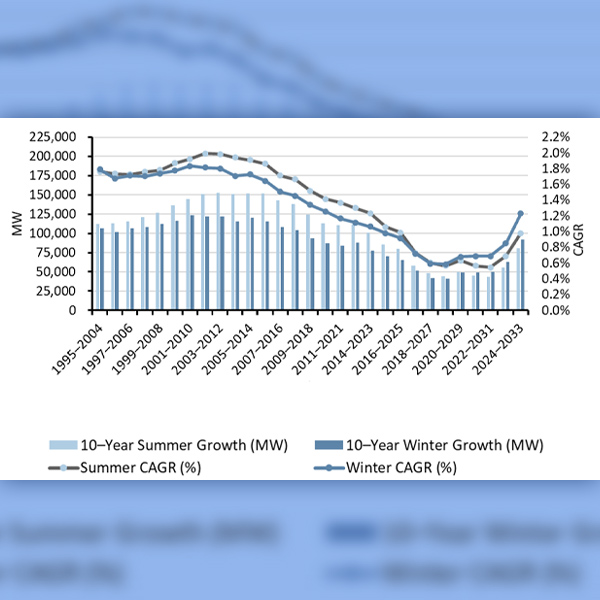
The Washington Post’s warning that “America is running out of power” lacks context and distracts us from the real work at hand, says columnist Steve Huntoon.
© RTO Insider LLC
Rather than identifying ways to promote further energy efficiency in its footprint, the nation’s largest grid operator — PJM — inexplicably is taking the opposite approach, American Efficient CEO Bo Clayton writes.
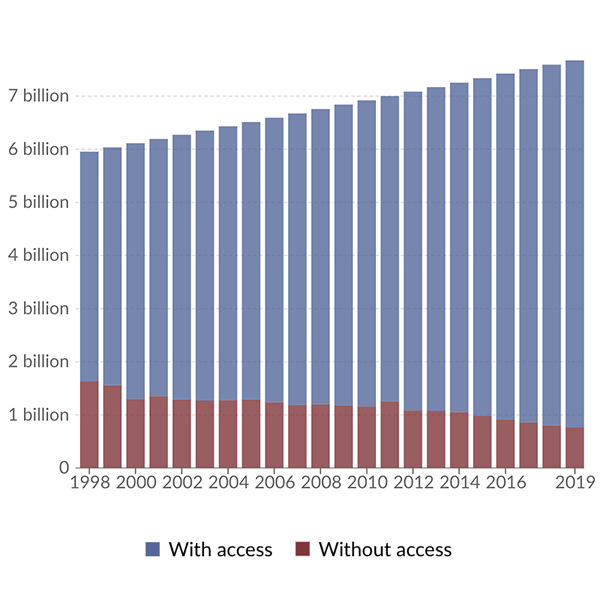
Our World in Data (CC-BY-SA)
Feeling in the holiday mood, columnist Steve Huntoon points to data that show some things are getting better in the world.
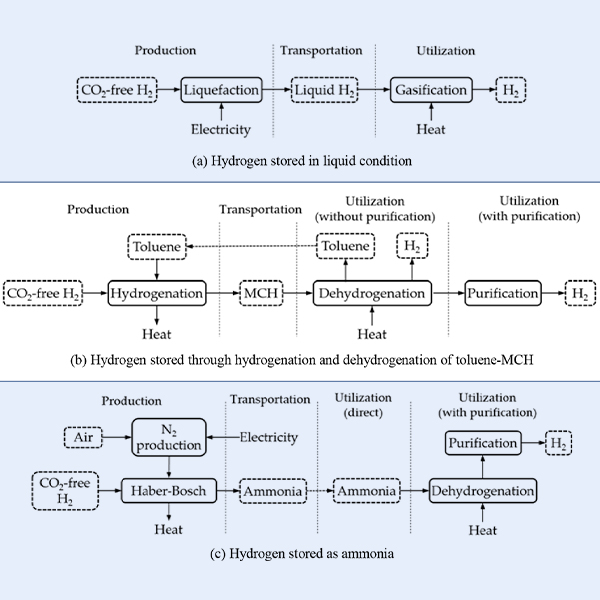
Muhammad Aziz, Takuya Oda, Takao Kashiwagi
Green hydrogen electricity is a waste of money and time, says columnist Steve Huntoon.

Gov. Grisham
Economist Ken Costello says EVs are better off without mandates or subsidies — so that they are forced to compete with gas-powered vehicles on their own.
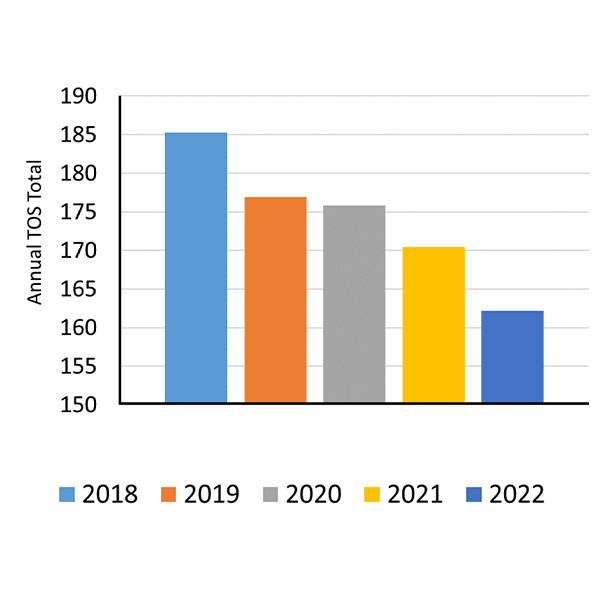
NERC
Columnist Steve Huntoon says a recent Moody’s report uses misleading data to make its case for investing in transmission to solve reliability problems.

NOAA
Can climate policy dominated by interest-group politics be in the public good? What we have seen up to now says no, says regulatory economist Kenneth Costello.
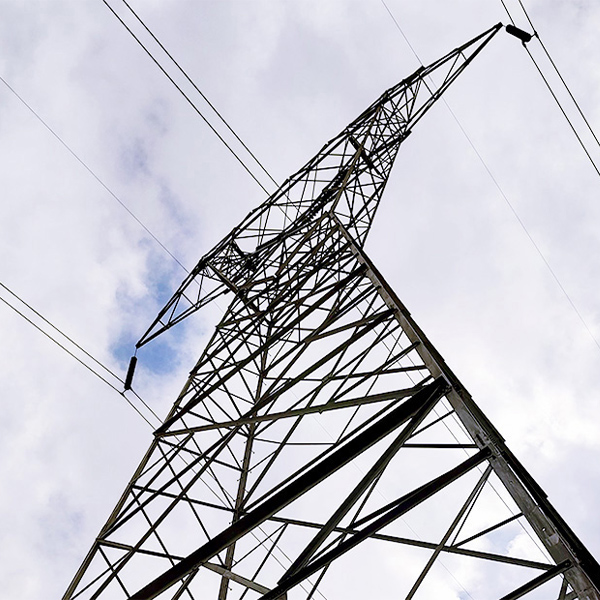
© RTO Insider LLC
Former Maryland Public Service Commission Chairman Jason Stanek lays out the ways in which a lack of regulation and repair have led to a fragile, financially wasteful energy grid.
Want more? Advanced Search