Offshore Wind

© RTO Insider
The Department of the Interior announced an agreement with TotalEnergies for the company to give up offshore wind leases.
Grid Strategies
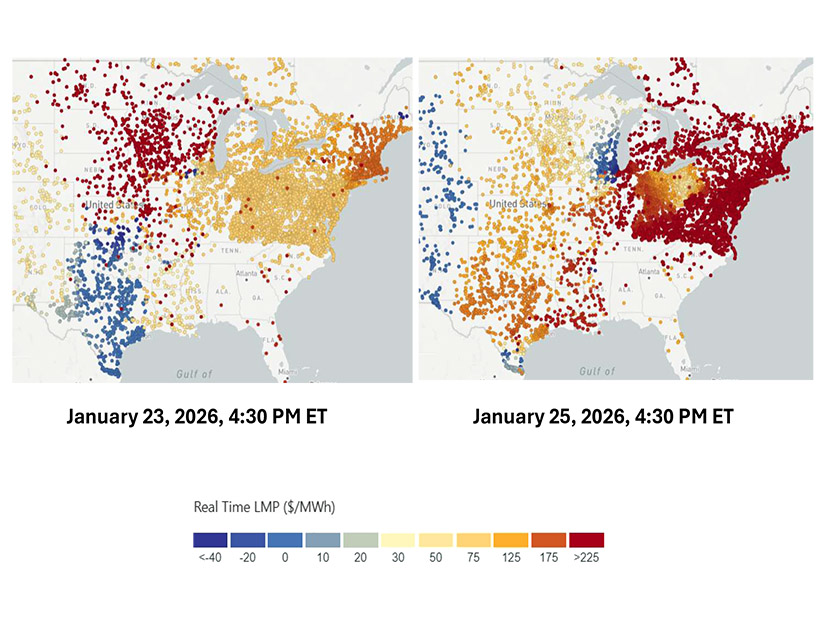
NERC CEO Jim Robb said in congressional testimony that while the bulk power system made it through the late January winter storm reliably, the weather highlighted how at risk it is.
CAISO
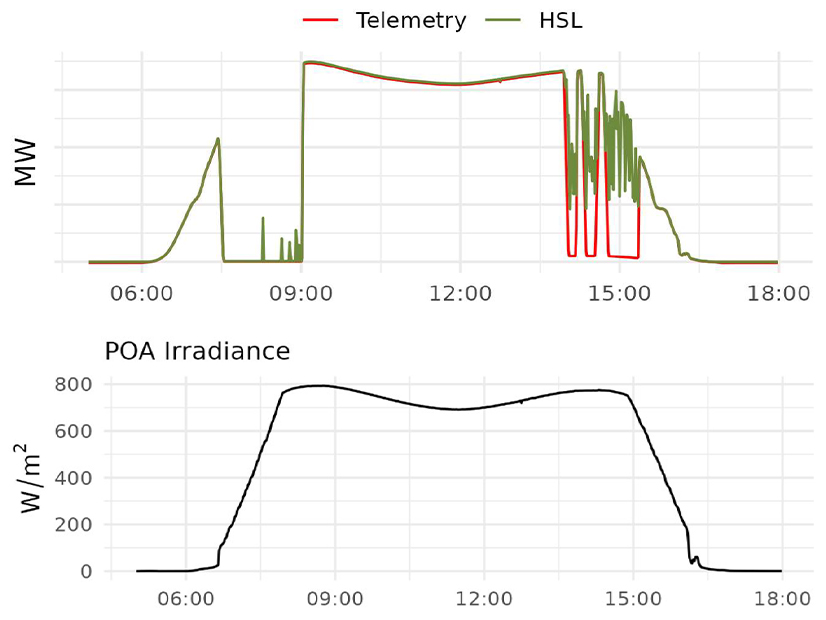
CAISO is proposing new methods to address “poor quality data” from some variable energy resources in the region in order to improve grid forecasting, the ISO said in a straw proposal.

Ørsted
One New England offshore wind farm has completed construction, and another has begun sending electricity ashore as it finishes construction.
Dominion Energy
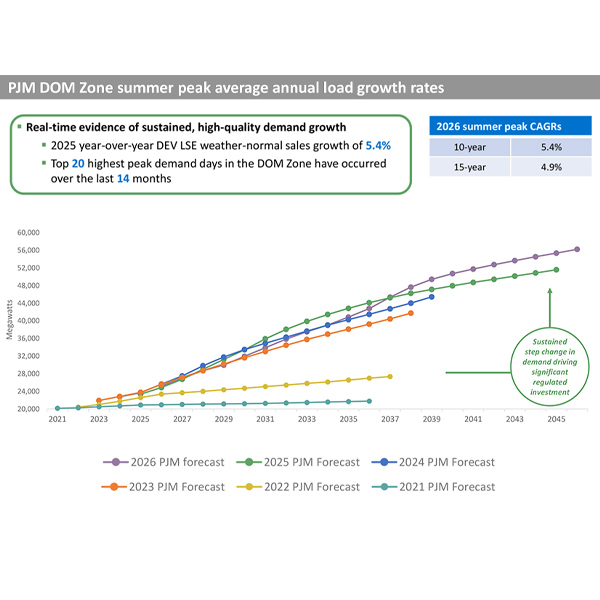
Dominion Energy updated analysts on its efforts to complete a major offshore wind project and to meet rising demand from data centers on its fourth-quarter earnings call.
Ørsted
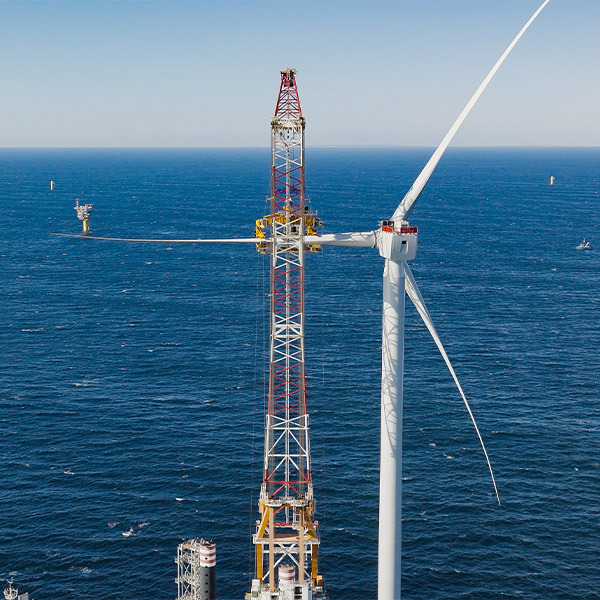
After 19 months, New York has abandoned its most recent attempt to procure offshore wind power, saying it would not be prudent to proceed amid federal policy uncertainty.
Eversource Energy
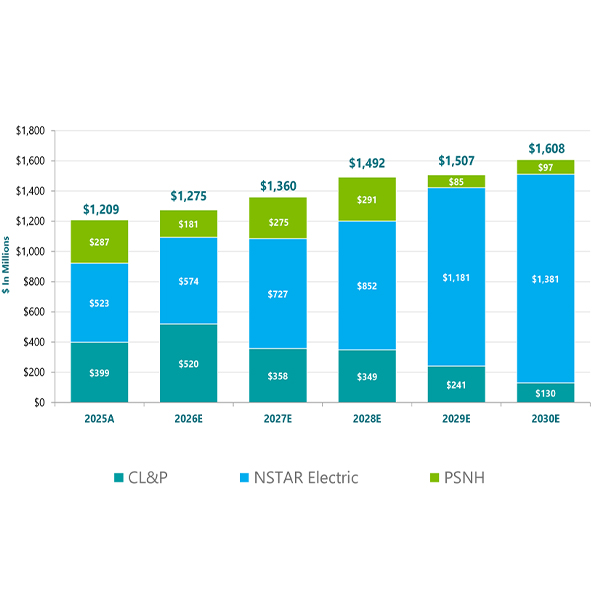
Eversource Energy increased its five-year capital investment plan by $2.3 billion, an increase largely driven by investments in its gas and electric distribution systems.

© RTO Insider
After a remarkably bad year for the U.S. offshore wind industry, the Oceantic Network’s annual conference was focused on engineering a rebound rather than licking wounds.
Dominion Energy
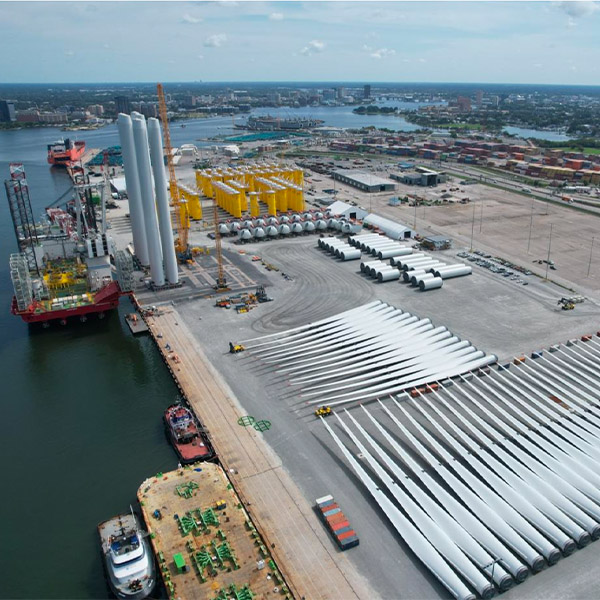
Interior Secretary Doug Burgum said an appeal “absolutely” is coming on the stop-work orders that his agency imposed and judges lifted against five offshore wind projects.
County of Humboldt
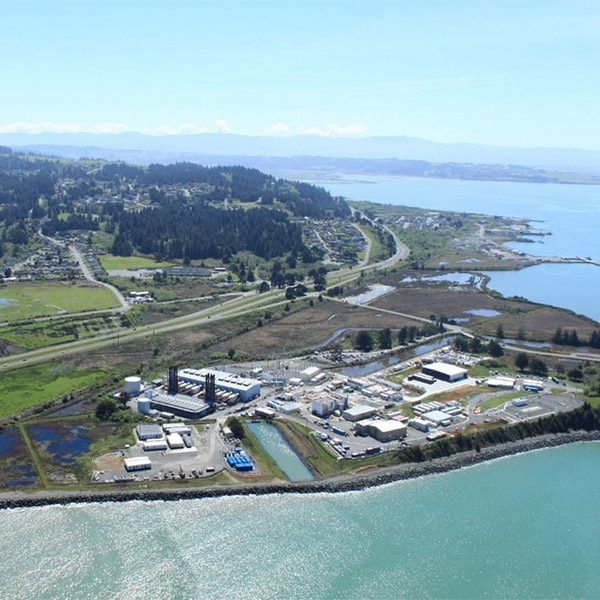
Offshore wind experts urged the California Public Utilities Commission to reconsider a forecasted 6-year delay to the Golden State’s offshore wind project in Humboldt County.
Want more? Advanced Search