Rooftop/distributed Solar

Shutterstock
A new MIT study posits that while retail electric rates are higher in states that have renewable portfolio standards, the standards are not to blame.
Wood Mackenzie
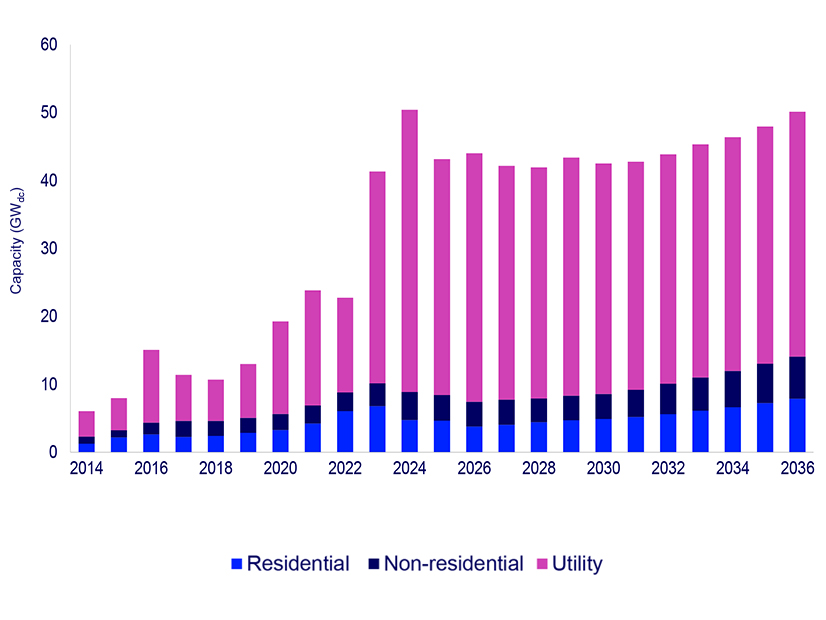
Nearly 40% fewer U.S. solar power projects reached completion in the fourth quarter than in the third quarter as developers pivoted to start new projects in time to qualify for tax credits.

Venture Global LNG
The war in Iran is not expected to lead to higher domestic natural gas prices in part because higher oil prices tied to the closure of the Strait of Hormuz mean more oil production and related gas supply from the Permian Basin, the EIA said.
Solar Energy Industries Association
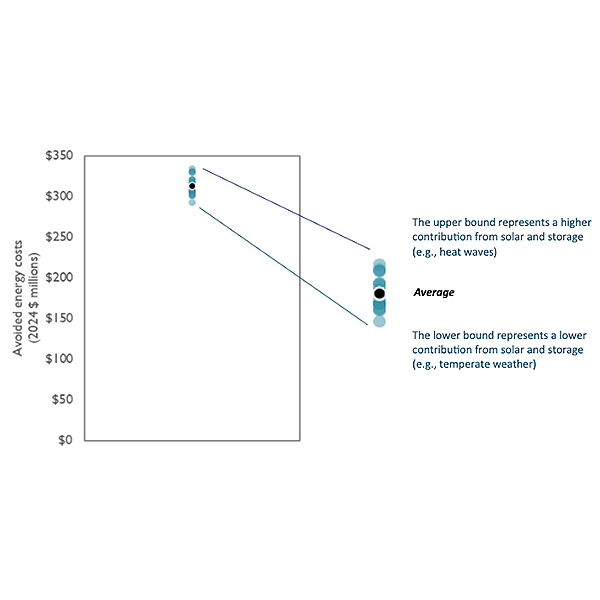
A new report estimates that solar and battery storage growth in New England between 2025 and 2030 could reduce wholesale energy costs across the region by about $684 million annually by 2030.
Tri-State Generation and Transmission Association
Western state utility commissioners should encourage “standardization and harmonization” to effectively integrate inverter-based resources throughout the region, according to a guide developed by WIRAB and Elevate Energy Consulting.

UN Climate Change - Kiara Worth
Livewire columnist K Kaufmann argues that clean energy supporters should focus on a strategically planned, outcome-focused, and rapidly achievable transition toward renewables.

© RTO Insider
ISO NE CEO Gordon van Welie talked about the evolving grid in New England and how markets are changing and what the future holds as state policies drive higher demand and increasing decarbonization.
Open Electricity
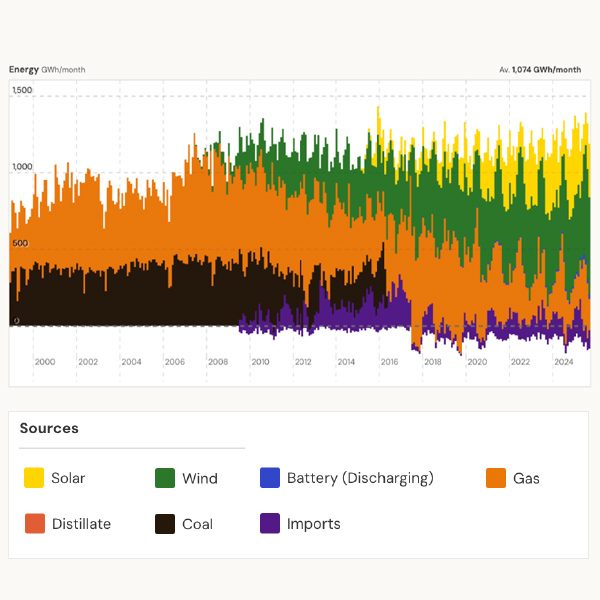
The U.S. needs to take rooftop solar seriously and consider how it can be an essential part of our energy mix, says columnist Dej Knuckey.
Lawrence Berkeley National Lab and Brattle Group
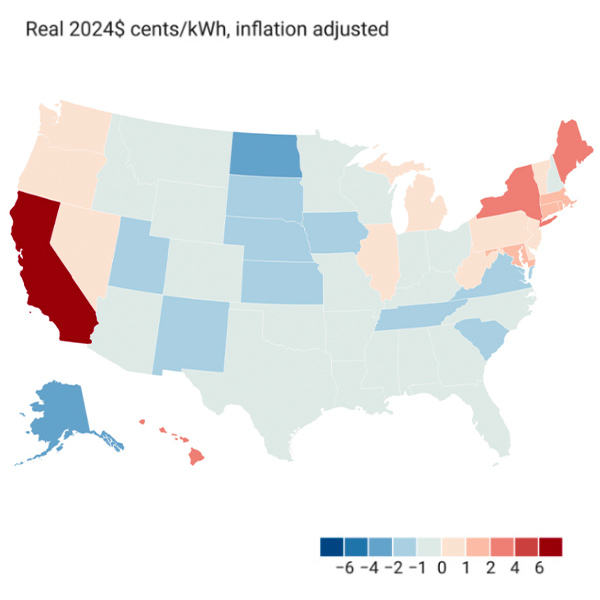
The Lawrence Berkeley National Laboratory released a paper recently examining why some states have seen retail power prices rise faster than inflation.
New Jersey Governor's Office
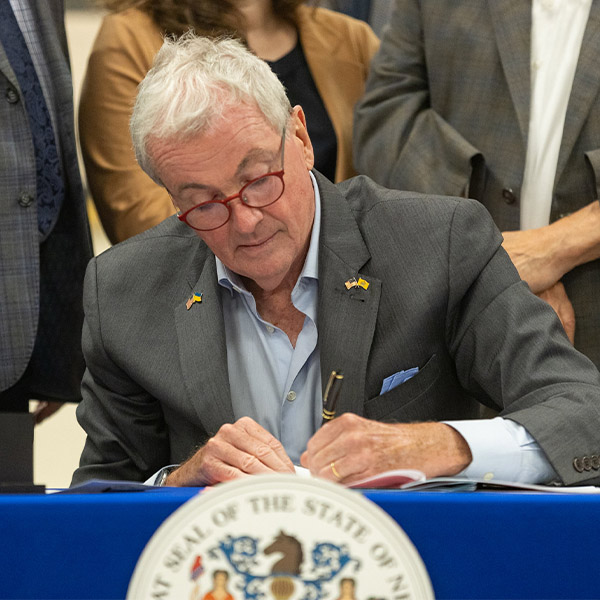
Two laws signed by New Jersey Gov. Phil Murphy aim to dramatically expand the state’s community solar and storage incentive programs as the state searches for new generation sources to help meet a predicted energy shortfall.
Want more? Advanced Search