Utility-scale Solar

Shutterstock
Puget Sound Energy and Avista told the Washington Utilities and Transportation Commission they have taken steps to build clean energy resources quickly to qualify for expiring federal tax credits, while voicing concern that limited transmission capacity and the state’s greenhouse gas targets pose challenges.
Shutterstock
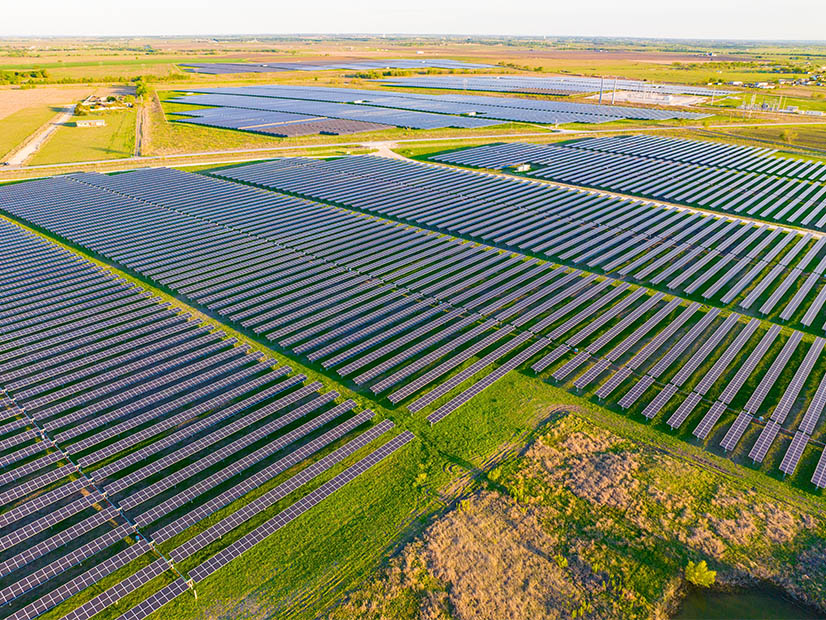
FERC denied a complaint from RWE Clean Energy arguing PJM incorrectly identified network upgrades for a 125-MW solar and storage project.
Grid Strategies
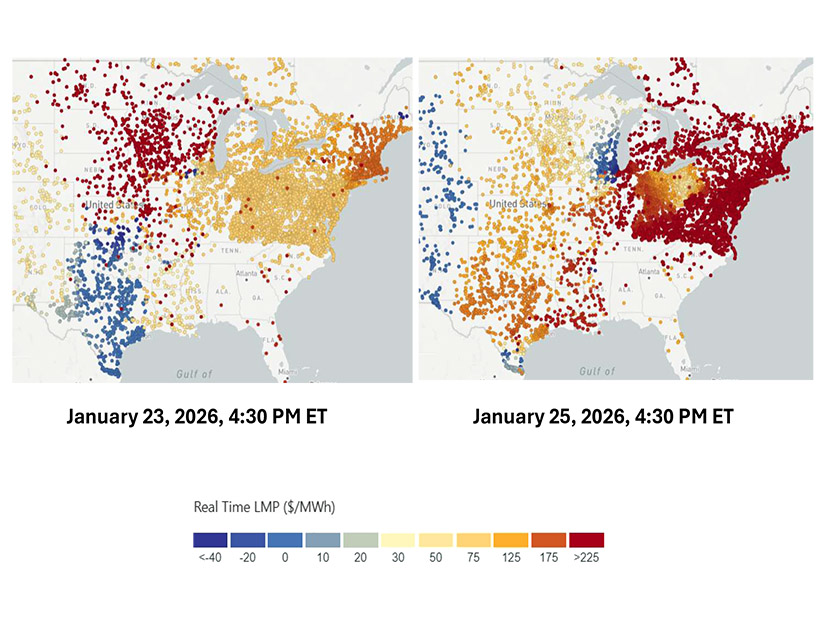
NERC CEO Jim Robb said in congressional testimony that while the bulk power system made it through the late January winter storm reliably, the weather highlighted how at risk it is.
CAISO
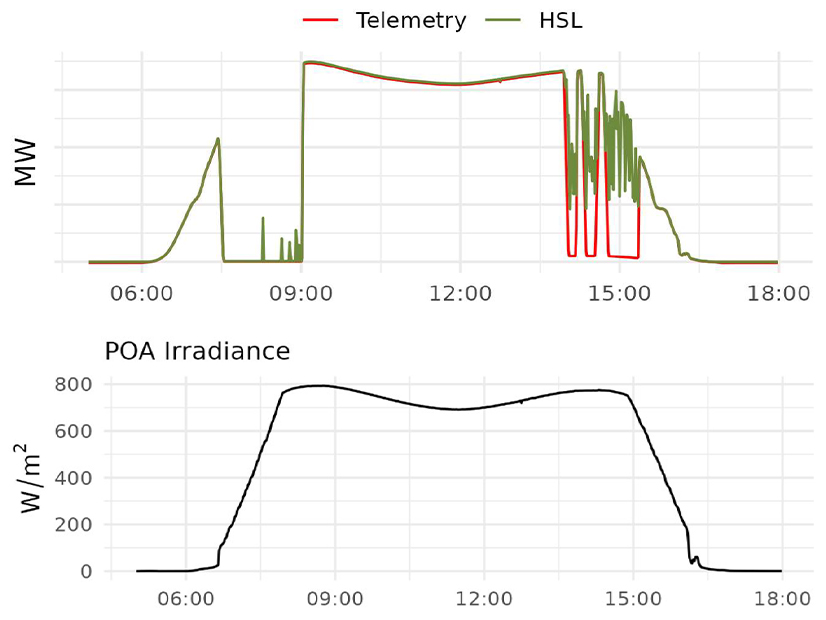
CAISO is proposing new methods to address “poor quality data” from some variable energy resources in the region in order to improve grid forecasting, the ISO said in a straw proposal.
ISO-NE
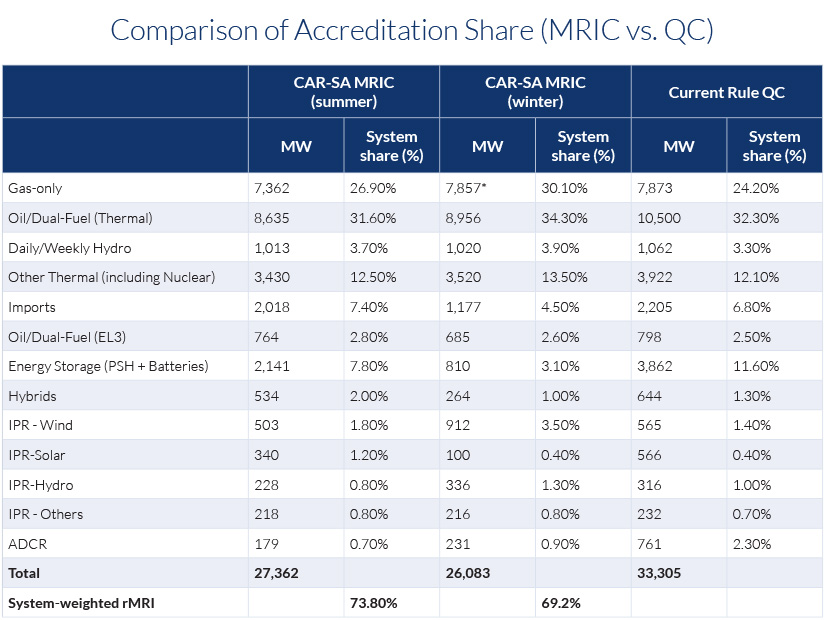
ISO-NE published initial data on how its proposed capacity market overhaul will affect resource accreditation, providing an indication of how the changes would affect capacity market revenues for different resource types.
Virginia Department of Historic Resources
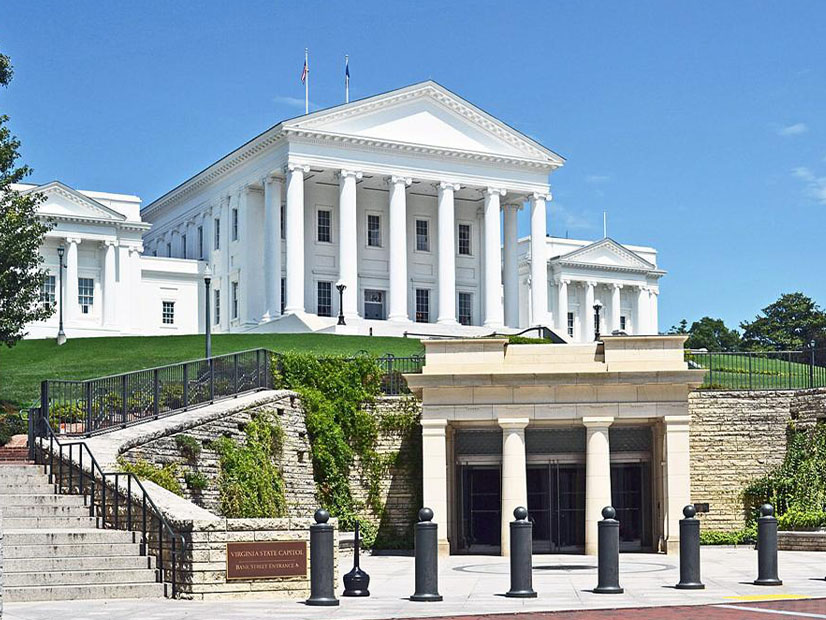
The Virginia General Assembly wrapped up its session and Democrats used the power they won in November's elections to push through bills favoring clean energy as the state faces significant load growth from data centers.
Shutterstock
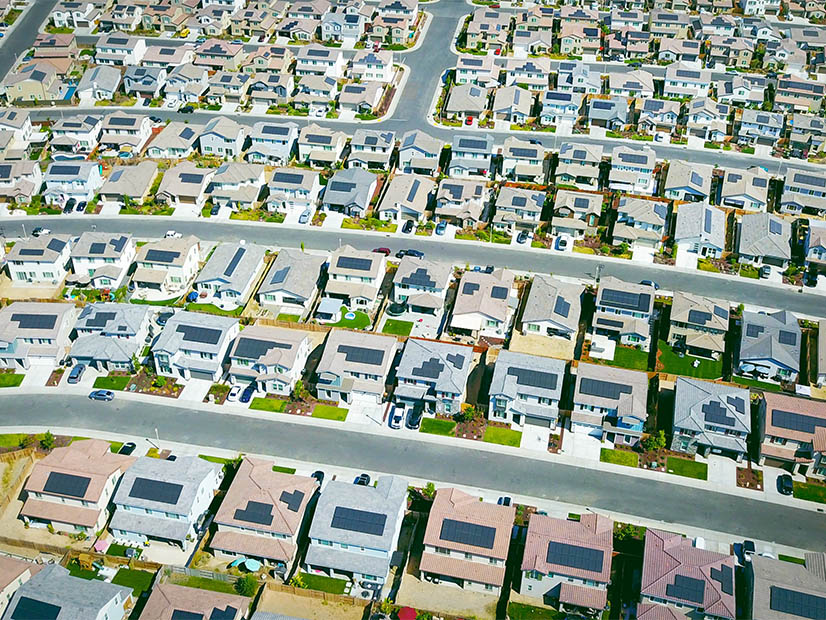
A new MIT study posits that while retail electric rates are higher in states that have renewable portfolio standards, the standards are not to blame.
Wood Mackenzie
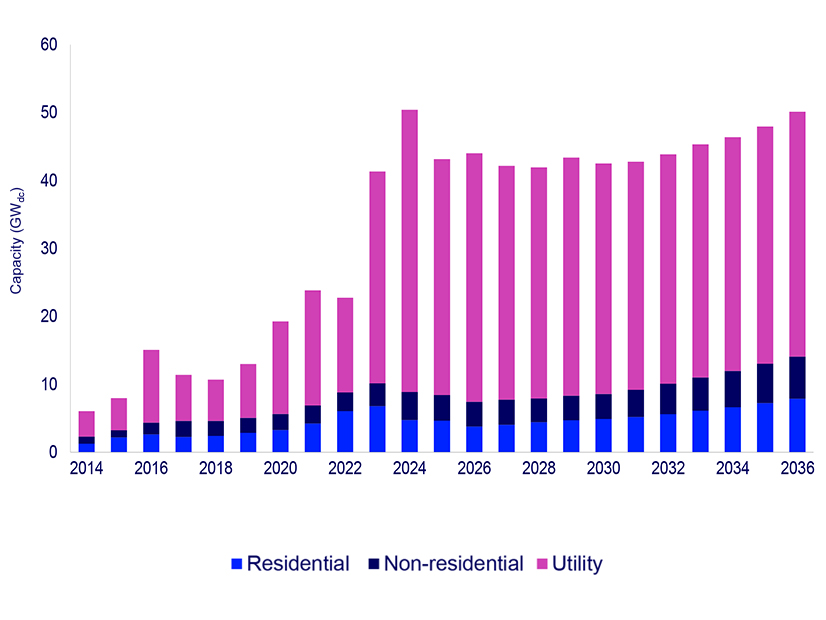
Nearly 40% fewer U.S. solar power projects reached completion in the fourth quarter than in the third quarter as developers pivoted to start new projects in time to qualify for tax credits.
Venture Global LNG
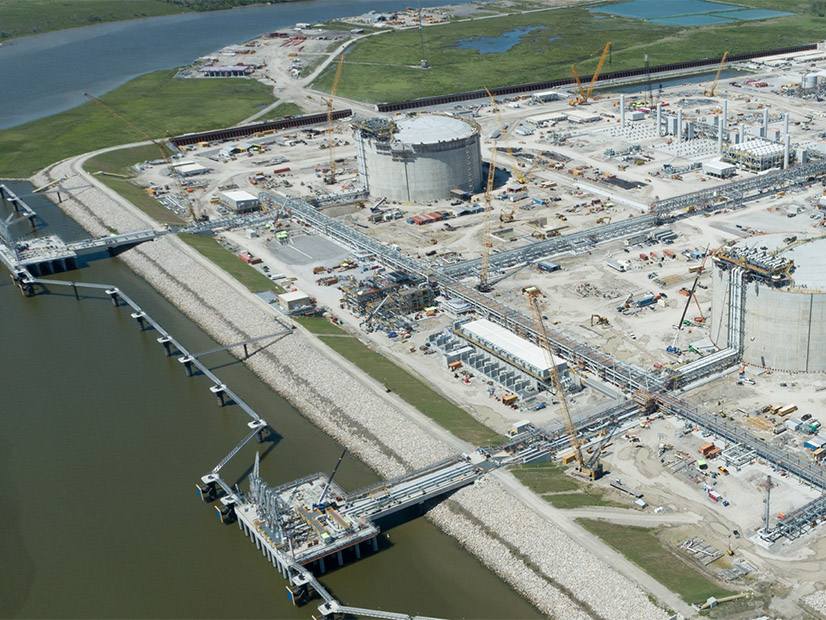
The war in Iran is not expected to lead to higher domestic natural gas prices in part because higher oil prices tied to the closure of the Strait of Hormuz mean more oil production and related gas supply from the Permian Basin, the EIA said.
MISO
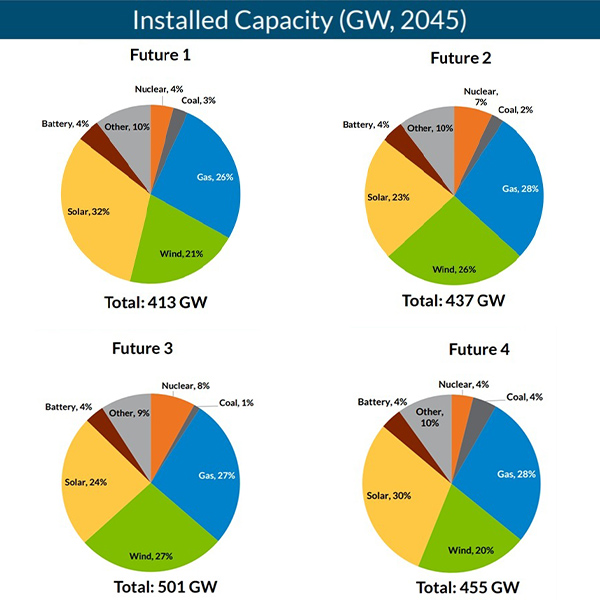
MISO said its modeling estimates show it could be in for anywhere from 413 GW to 501 GW of installed capacity in its system by 2045.
Want more? Advanced Search