
Resource Adequacy
Resource adequacy is the ability of electric grid operators to supply enough electricity at the right locations, using current capacity and reserves, to meet demand. It is expressed as the probability of an outage due to insufficient capacity.

© RTO Insider LLC
ERCOT's record peak of 74.8 GW could be broken this week as above-normal temperatures continue to bake Texas.
ISO-NE
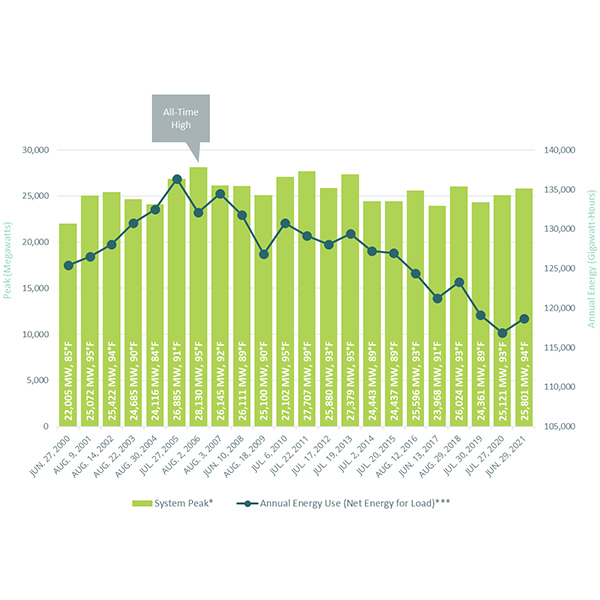
New England is not facing the same warnings as other regions this summer, but severe heat could still force ISO-NE into emergency actions, the RTO said.
© RTO Insider LLC
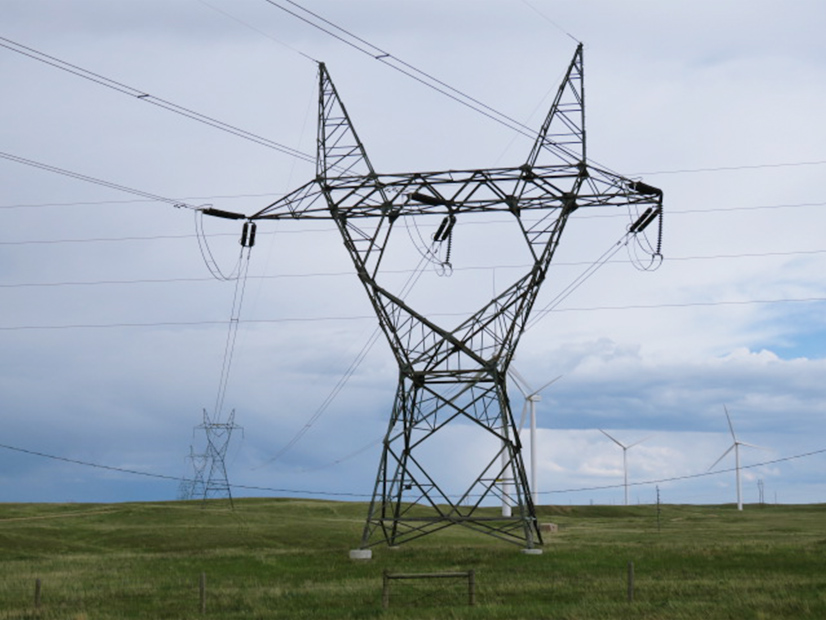
A two-day CAISO stakeholder meeting on the proposed day-ahead extension of the Western EIM focused on resource sufficiency and transmission.

© RTO Insider LLC
MISO will limit when some resources can use an emergency commitment status outside of emergency conditions, hoping to prod a more available resource fleet.

Swagit
Stakeholders and staff are continuing to drive to consensus over ERCOT's methodology for approving and denying planned generation maintenance outages.
NYISO
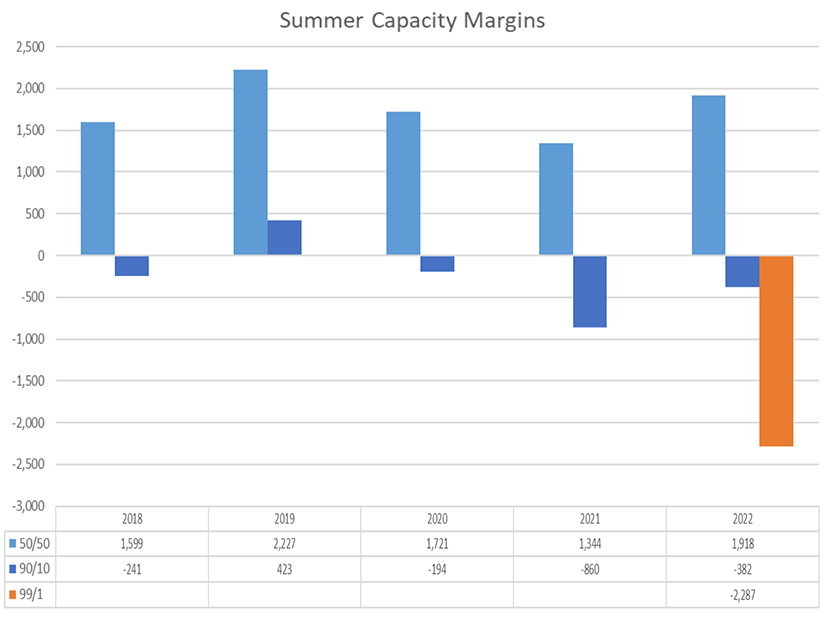
NYISO foresees having adequate generating capacity margins for normal weather conditions this summer, without emergency operating actions.
MISO
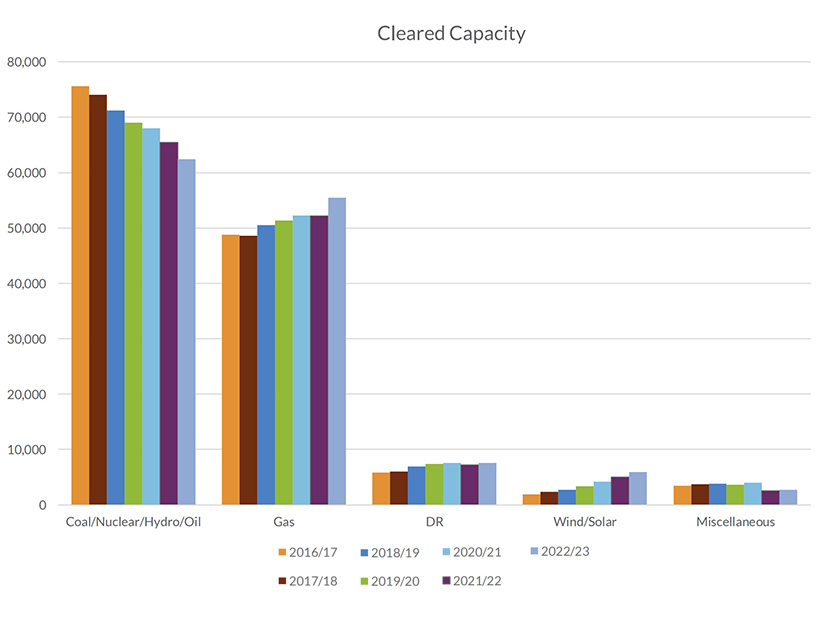
MISO’s capacity auction shortfall has nearly doubled its probability of load shedding in its Midwest region, prompting discussion of must-offer requirements.
ERCOT
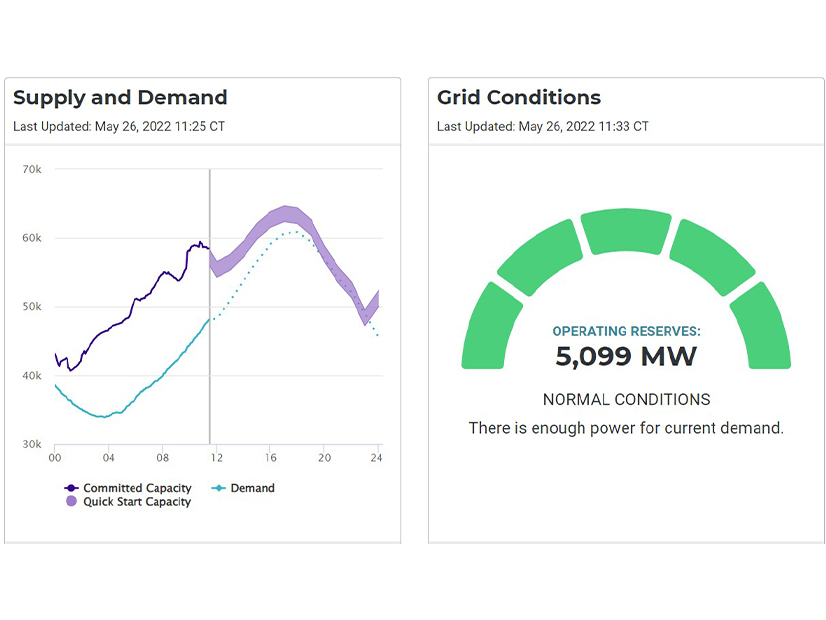
ERCOT has again issued an operating condition notice because of summer-like temperatures expected this weekend after a recent cold front.

© RTO Insider LLC
Energy sector leaders in New England are already warning of a grim possible scenario for next winter.

© RTO Insider LLC
PJM highlighted the release of the second phase of its multiyear study to examine the impacts of a system with more renewable energy at its Annual Meeting.
Want more? Advanced Search
