Resource Adequacy
Resource adequacy is the ability of electric grid operators to supply enough electricity at the right locations, using current capacity and reserves, to meet demand. It is expressed as the probability of an outage due to insufficient capacity.
Shutterstock
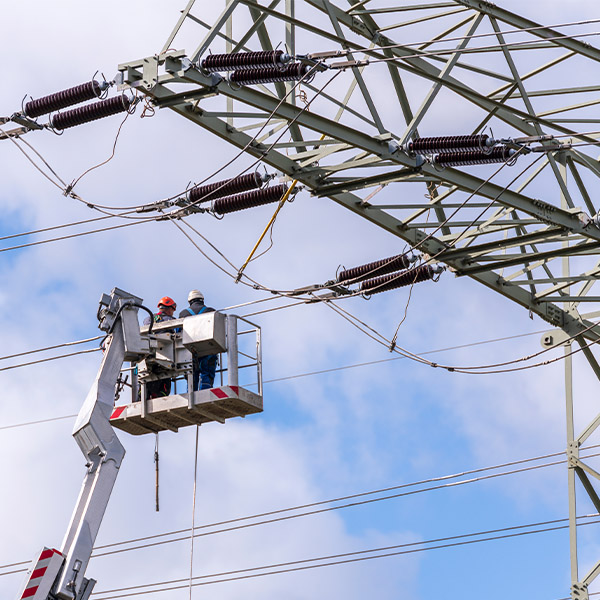
The House passed the SPEED Act, which aims to cut the timelines and litigation around NEPA reviews, but Democrats urged their Senate colleagues to improve the bill in a chamber where their votes are needed for passage.
Shutterstock
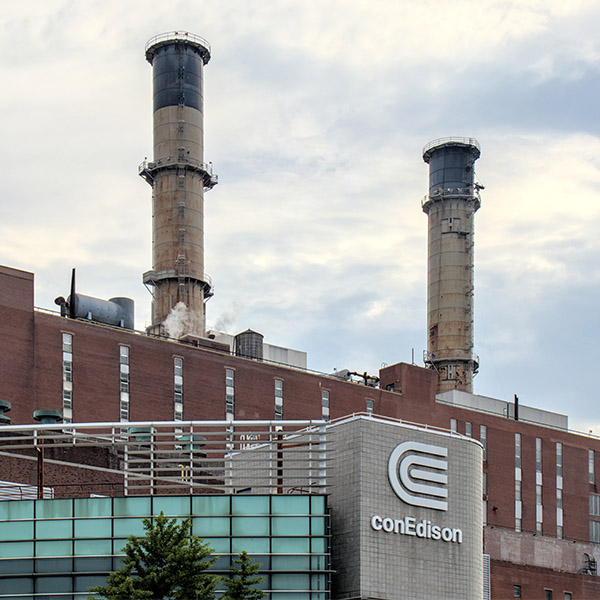
Consolidated Edison has been tasked with creating a contingency plan to avert the energy shortfall that it and NYISO have warned may develop in New York City.
Michigan Public Power Agency
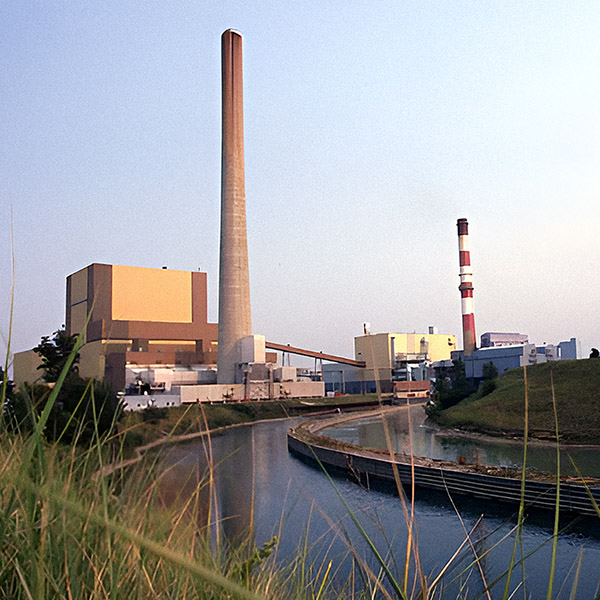
MISO officials clarified the J.H. Campbell coal plant — kept online and in retirement limbo by the Department of Energy’s series of emergency orders — is not eligible for the RTO’s capacity market and is not receiving special treatment for dispatch.
Highview Power
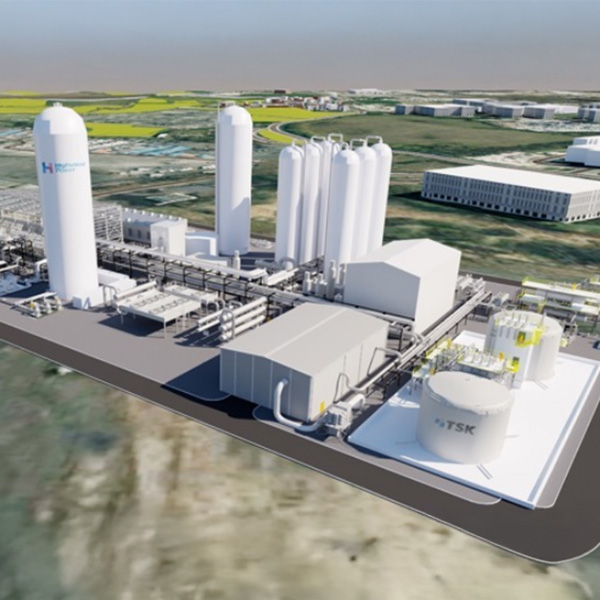
Responding to opposition from suppliers, IESO said it will not include a termination option in its procurement for long lead-time resources.
Talen Energy
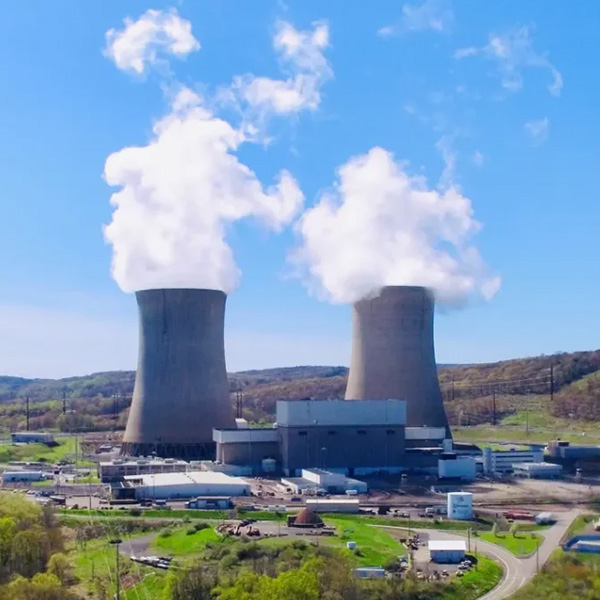
FERC told PJM to change its rules to allow for co-located load at generators, with new transmission services and other tweaks.
Shutterstock
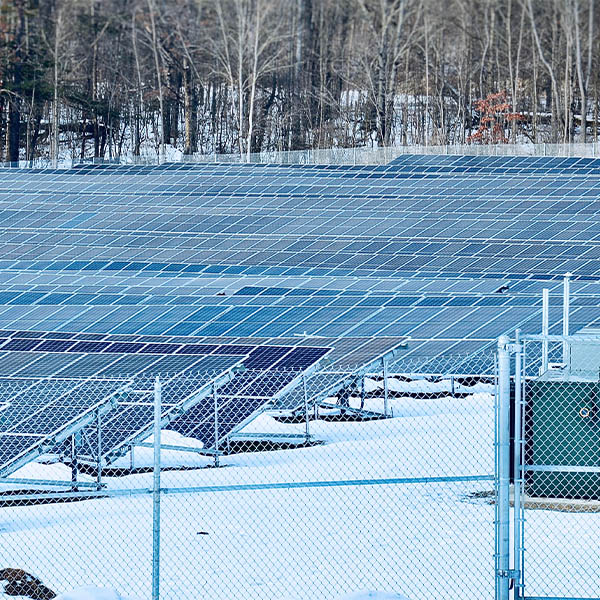
The newest iteration of New York’s energy road map maintains a zero-emission grid as a target but acknowledges an uncertain path to that goal, and likely a longer reliance on fossil fuels.
Hydro-Québec
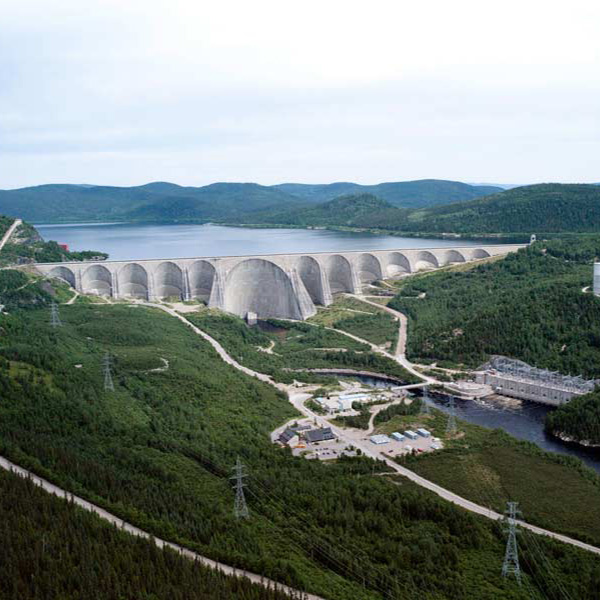
ISO-NE presented the final stakeholder-requested sensitivities for its 2024 Economic Study, discussing the potential effects of adding 3.9 GW of hydropower to the Hydro-Québec system.
TransAlta
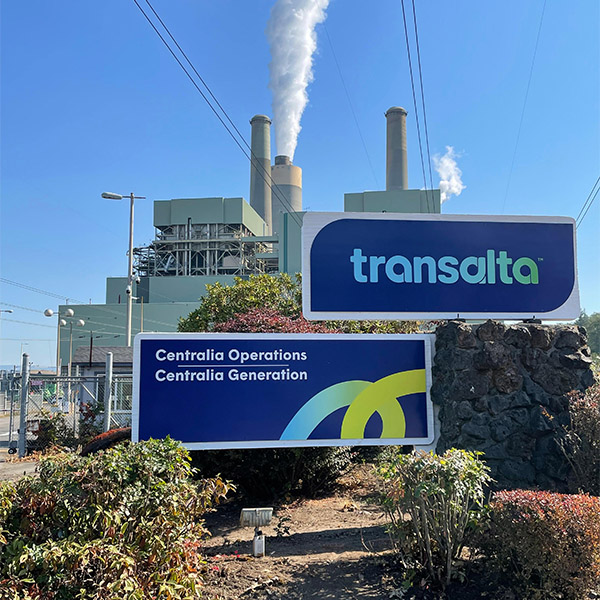
Citing an energy “emergency” in the Northwest this winter, DOE ordered TransAlta to continue operating Washington’s last coal-fired generating plant for three months beyond its scheduled retirement at the end of this year.
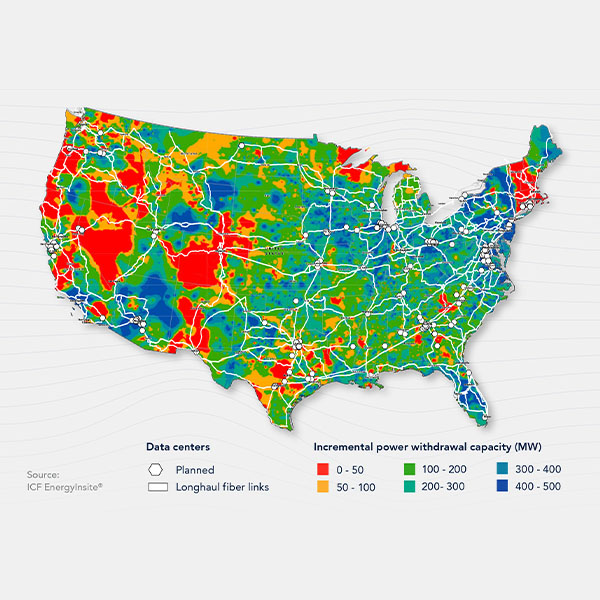
ICF EnergyInsite
ICF International has released a new paper discussing where data centers could be sited.
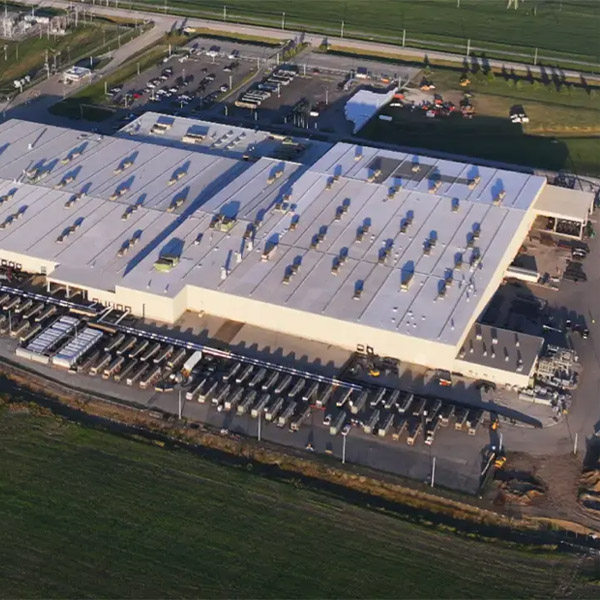
xAI
Data center developers’ imperative of speed to market not only stresses the power grid but also is felt on the ground as the giant facilities — often paired with onsite generation — spring up in neighborhoods overburdened by pollution.
Want more? Advanced Search