Resource Adequacy
Resource adequacy is the ability of electric grid operators to supply enough electricity at the right locations, using current capacity and reserves, to meet demand. It is expressed as the probability of an outage due to insufficient capacity.

© RTO Insider
Raab Associates held its final New England Electricity Restructuring Roundtable, bringing reflections from speakers about the legacy of restructuring and the future of the power sector in the region.

© RTO Insider
FERC Commissioner David Rosner was supportive of the Department of Energy’s request that the commission assert authority over the interconnection of large loads while emphasizing the importance of collaboration and consensus-building in response to concerns raised by state regulators.
Grid Strategies
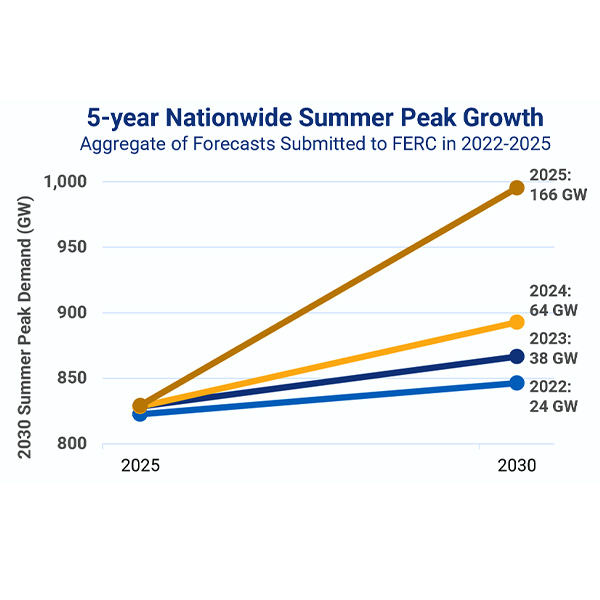
The power industry’s own demand forecasts expect national summer peak to swell by 166 GW by 2030, Grid Strategies said in its latest load growth report.
National Petroleum Council
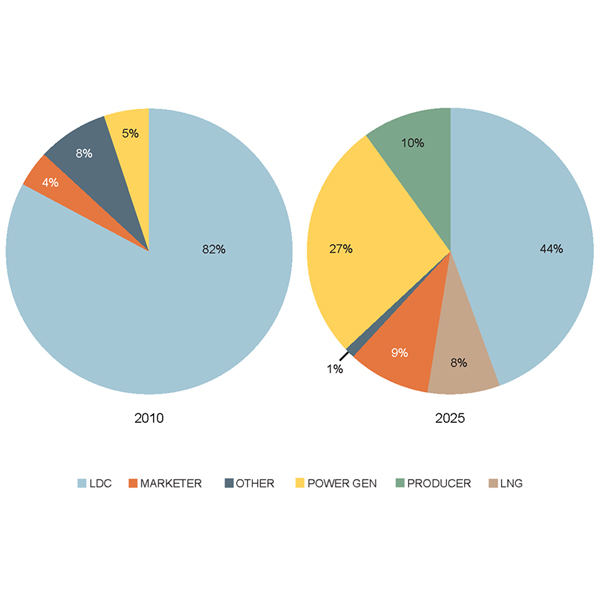
The National Petroleum Council is the latest group urging reforms to address gas-electric coordination including pipeline expansion, and reforms to organized power markets and pipeline tariffs.
Basin Electric Power Cooperative
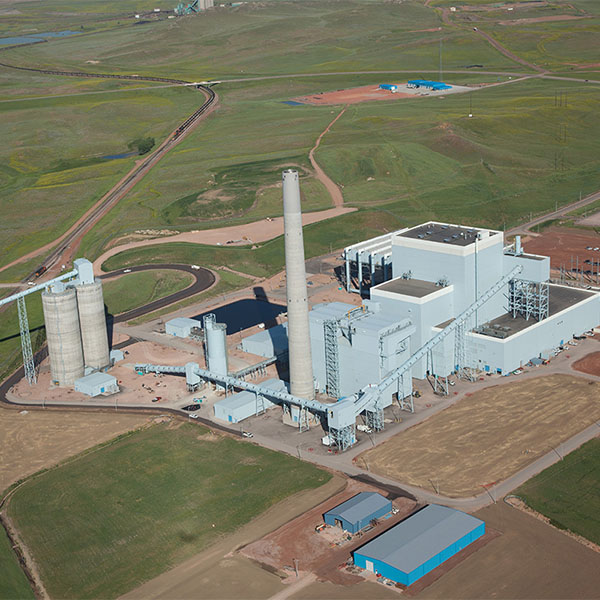
FERC approved an SPP tariff revision designed to accelerate the addition of new generation by quickly adding shovel-ready incremental capacity at existing generating sites.

UN Climate Change - Kiara Worth
Livewire columnist K Kaufmann argues that clean energy supporters should focus on a strategically planned, outcome-focused, and rapidly achievable transition toward renewables.
Entergy
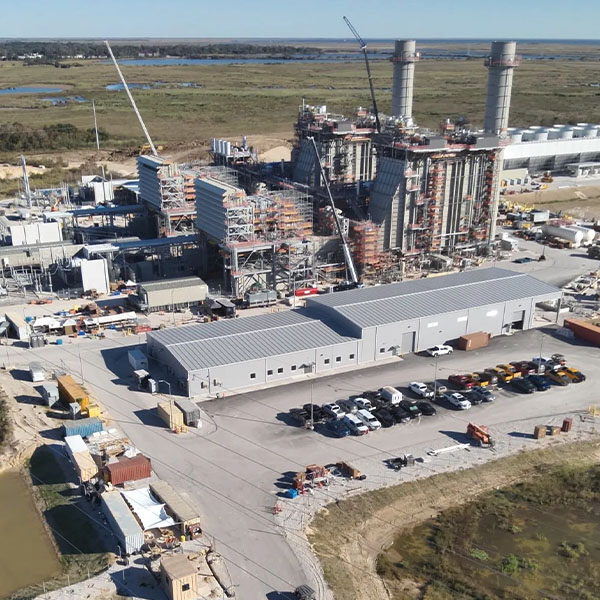
MISO will study 6 GW of mostly natural gas-fired generation projects in the second group of entrants under its interconnection queue fast track.
Granite Shore Power
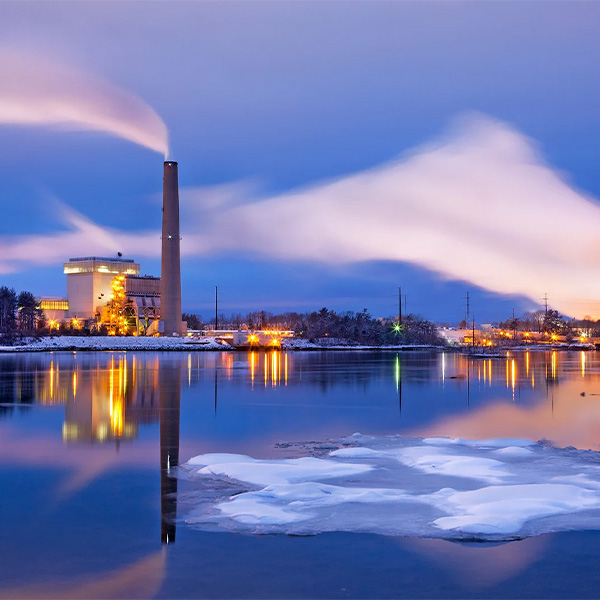
In New England, increasing winter reliability concerns are driving questions about how long the region’s aging fleet of oil-fired power plants can, or should, remain on the system.
© RTO Insider LLC
The West-Wide Governance Pathways Initiative could lead the charge on developing an alternative to the Western Resource Adequacy Program that would integrate with CAISO’s Extended Day-Ahead Market, according to co-Chair Pam Sporborg.
New Jersey Energy Master Plan
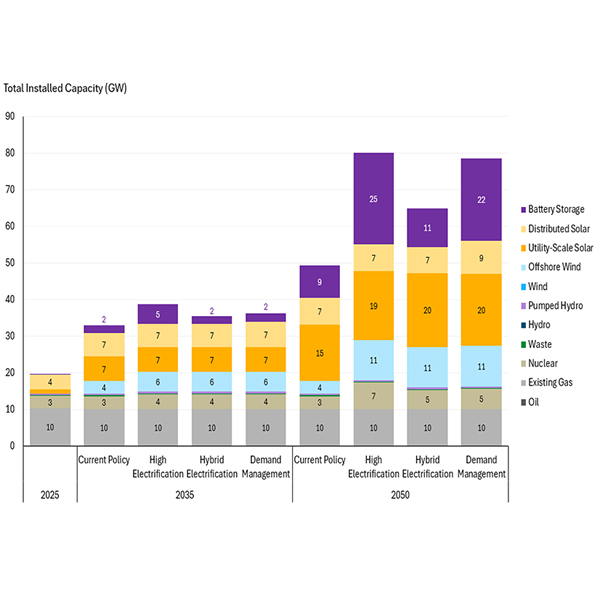
New Jersey should continue to pursue a strategy of heavy reliance on clean energy to head off the state’s looming energy shortage, with no increase in natural gas generation, says outgoing Gov. Phil Murphy.
Want more? Advanced Search