Resource Adequacy
Resource adequacy is the ability of electric grid operators to supply enough electricity at the right locations, using current capacity and reserves, to meet demand. It is expressed as the probability of an outage due to insufficient capacity.
Shutterstock
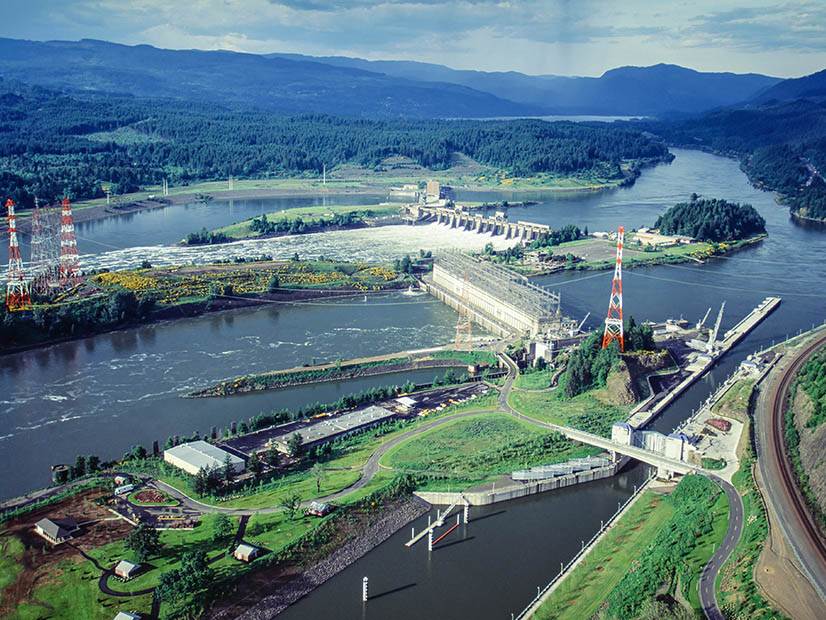
Oregon and Washington lawmakers are exploring ways to build new transmission independent of the Bonneville Power Administration.
Texas RE
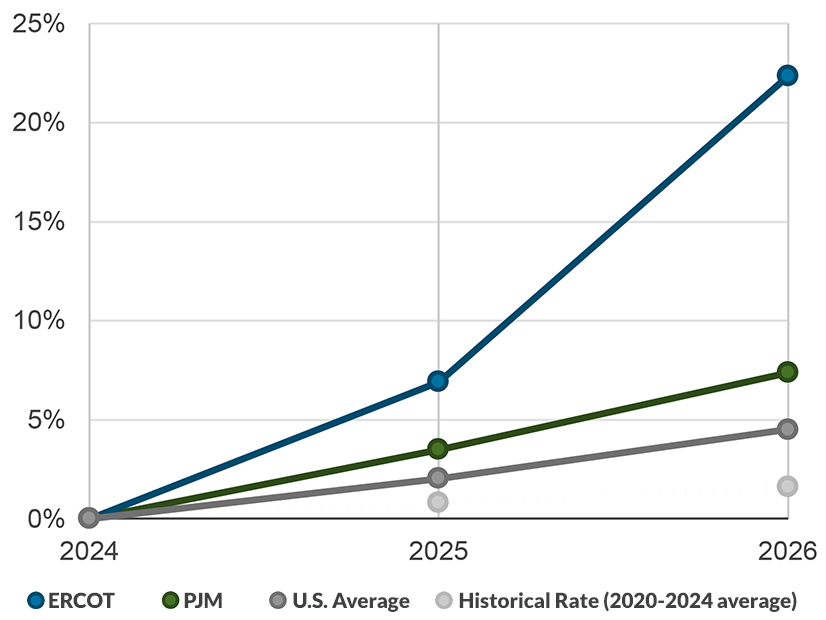
A speaker at a recent Texas RE webinar discussed the potential risks posed by the growth of artificial intelligence.

Duke Energy
Duke Energy entered a pair of settlements in North and South Carolina on its proposal to combine Duke Energy Carolinas and Duke Energy Progress, which needs approval from both states’ regulators.
Motor City Electric Utilities
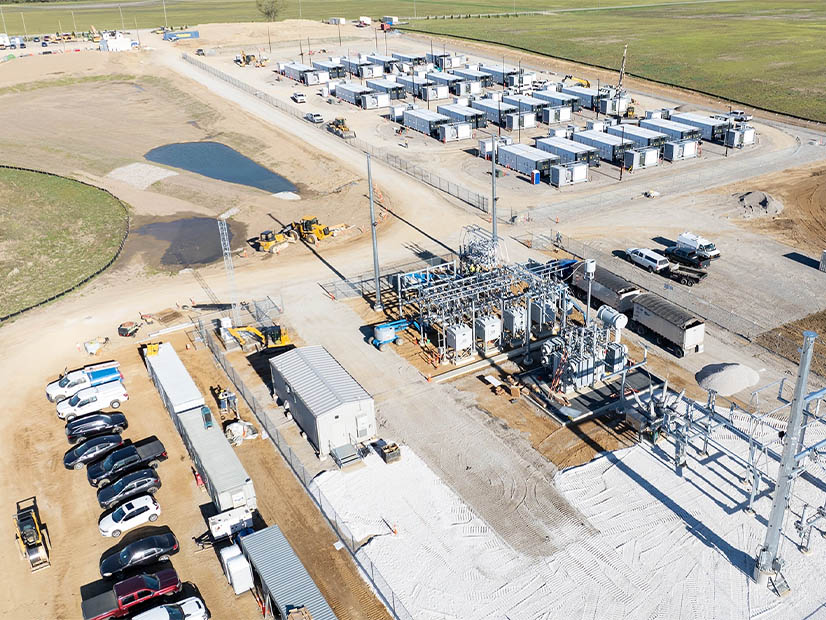
MISO announced a third, 8-GW cycle of generation projects to enter its fast-tracked interconnection process, its largest cluster yet.
InfraPartners, Emerald AI
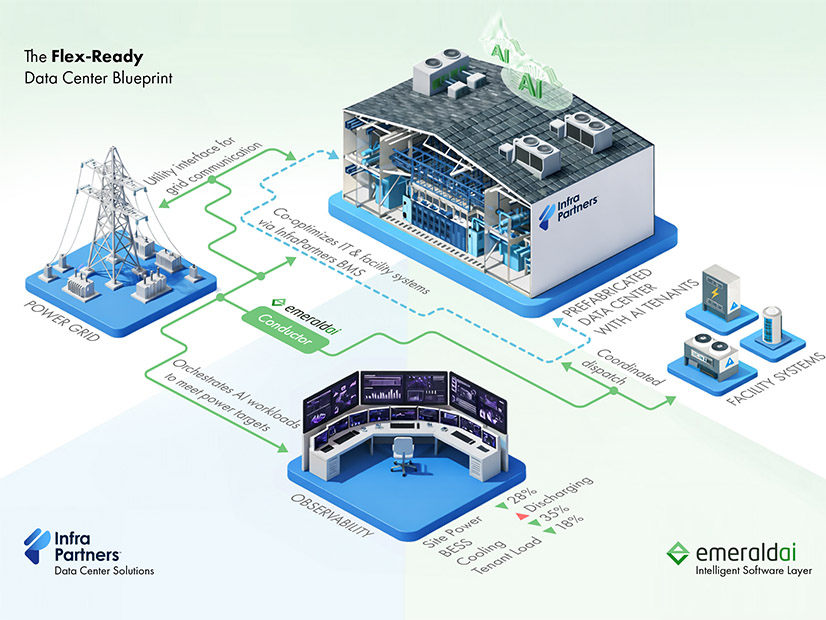
InfraPartners and Emerald AI's new partnership aims to embed flexibility from the start in data centers, which can make the facilities work much more smoothly with the power grid.
PJM
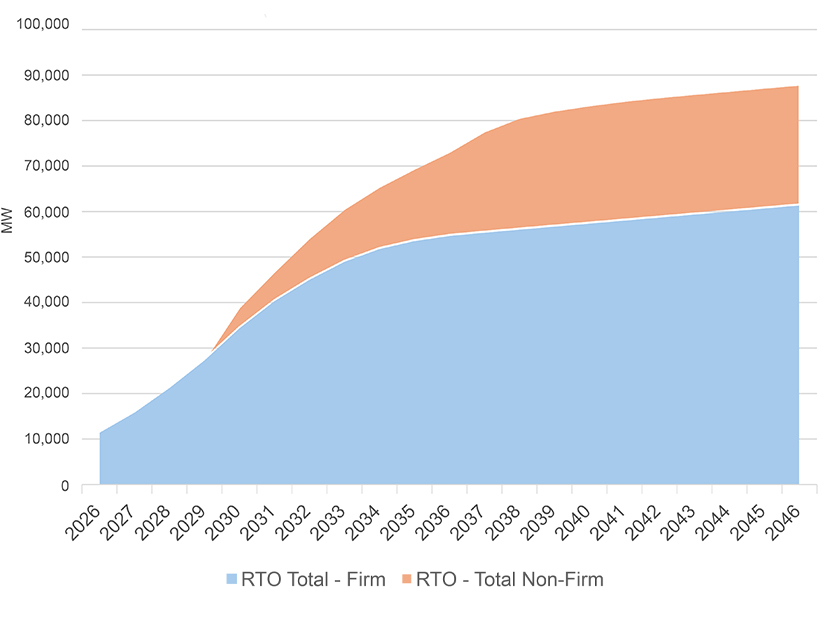
PJM has updated its thinking on the design of its reliability backstop procurement to meet rising data center load, gravitating toward a model in which the RTO would determine the amount of capacity to be purchased and act as the administrator and counterparty to the resulting agreements.
Microsoft
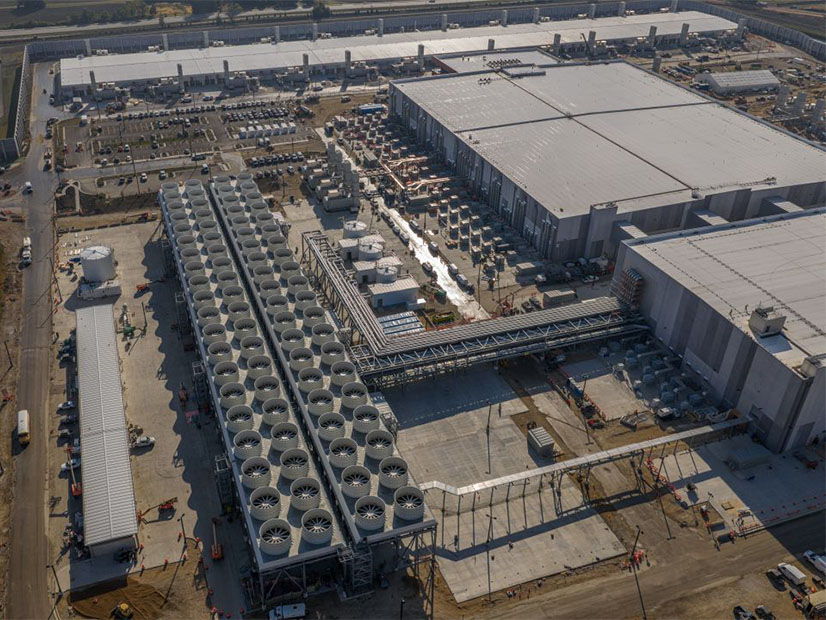
A new report argues for an infrastructure fund to entice data center developers to commit to modernizing the grid as they invest in upgrades required by their new demand.

© RTO Insider
“Massive change, massive challenges, massive opportunities,” SPP CEO Lanny Nickell said in kicking off the grid operator's second Energy Synergy Summit that focused on meeting data center growth.

© RTO Insider
The winter of 2025/26 was the most expensive winter in the history of ISO-NE’s wholesale markets, driven by the lowest average temperatures in 20 years.

© RTO Insider
Politicians increasingly are interested in wholesale markets, which has meant price caps but also is pushing regulators and the industry to move faster on meeting rising demand affordably and reliably.
Want more? Advanced Search