Resource Adequacy
Resource adequacy is the ability of electric grid operators to supply enough electricity at the right locations, using current capacity and reserves, to meet demand. It is expressed as the probability of an outage due to insufficient capacity.

Shutterstock
Energy Secretary Chris Wright directed FERC to start a rulemaking that will consider it claiming jurisdiction over the interconnection of large loads to speed up the buildout of AI data centers and reshored manufacturing.

© RTO Insider LLC
MISO leadership shed more light on the RTO’s need for a pilot program to estimate load growth on a 20-year horizon after stakeholders asked for details.

© RTO Insider LLC
Trump officials and other Republicans celebrated the major changes the administration has brought to energy and environmental policy at AFPI's Global Energy Summit.

© RTO Insider LLC
At a time when MISO’s long-term planning is under fire, the Organization of MISO States’ annual meeting featured speakers who vouched for the power of planning.
CAISO
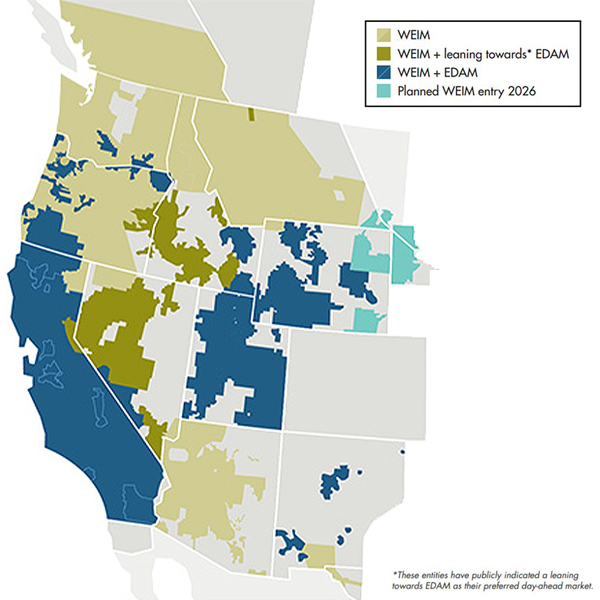
NV Energy said it is discussing a potential new resource adequacy program with other participants in CAISO’s Extended Day-Ahead Market.
IESO
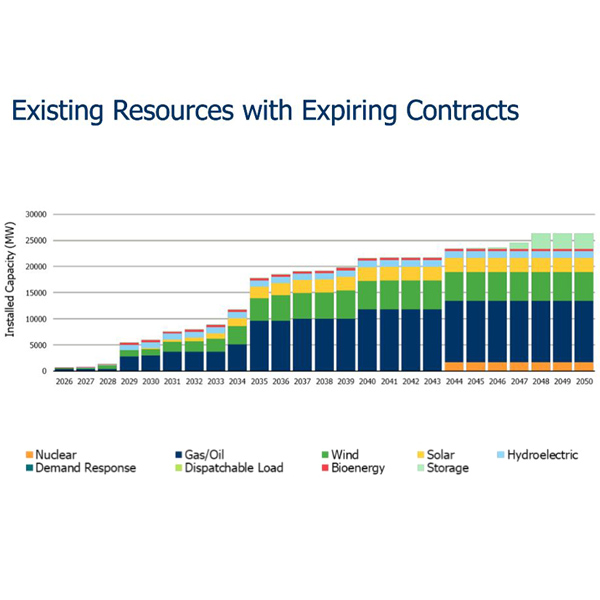
IESO is asking generation owners what it will take to extend the lives of their units at the end of their current contracts as Ontario seeks ways to meet a projected 75% load increase by 2050.
NRDC
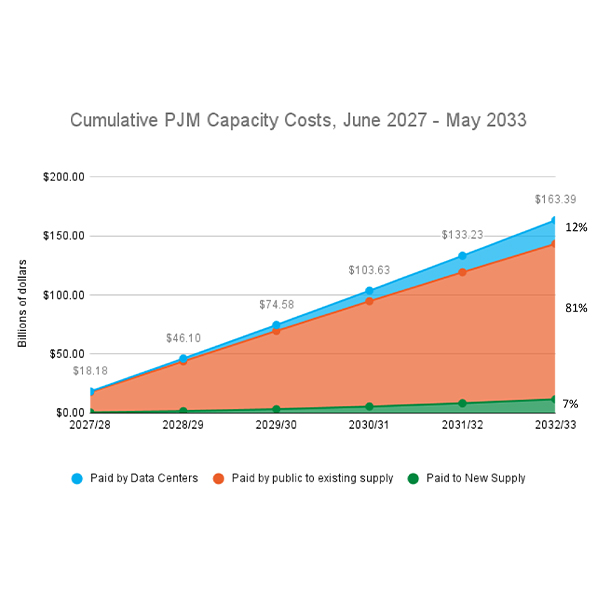
Several stakeholders presented proposals for how PJM could address accelerating load growth as the Critical Issue Fast Path process on large load growth wraps up its second phase.

Duke Energy
The North Carolina Utilities Commission spent several days diving into the issues of meeting new demand from large loads like data centers.

CEC
A virtual power plant program with an indeterminate future set a record in 2025 for the capacity the plant contributed to California's electricity grid.
Yes Energy using Yes Energy’s Infrastructure Insights data
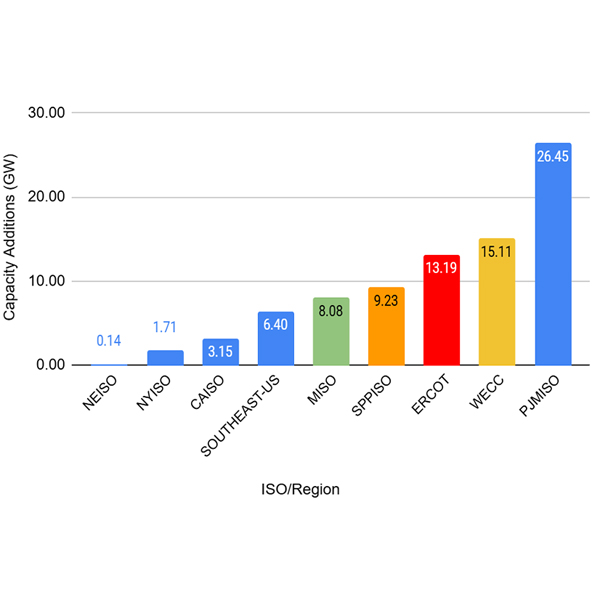
Data center-fueled demand growth continues to soar while reserve margins continue to shrink. Meanwhile, the timelines for building load versus building generation and transmission are wildly out of sync.
Want more? Advanced Search