Resource Adequacy
Resource adequacy is the ability of electric grid operators to supply enough electricity at the right locations, using current capacity and reserves, to meet demand. It is expressed as the probability of an outage due to insufficient capacity.
Shutterstock
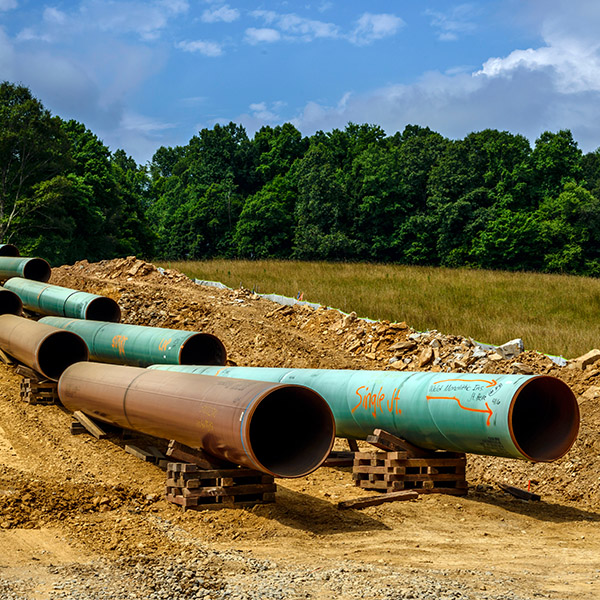
Permitting reform legislation is starting to move through Congress, with a key House committee holding a hearing and supporters lobbying legislators, though actually passing a bill is tough in any political climate.
© RTO Insider
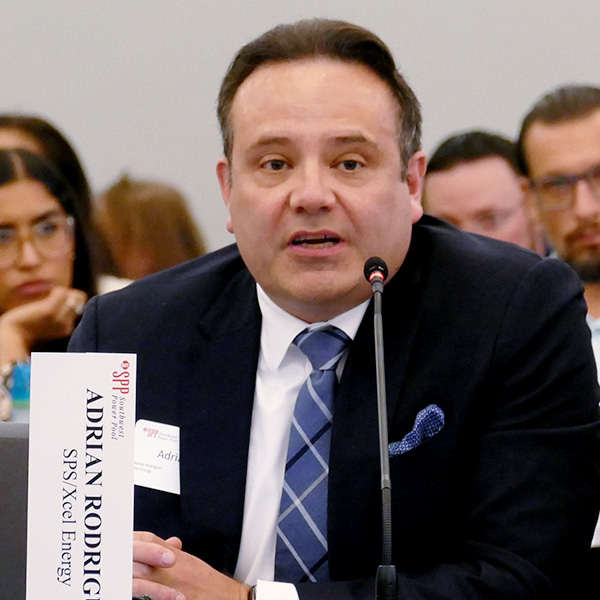
SPP’s Board of Directors has approved a pair of contentious measures that were put aside during its August quarterly meeting, a tariff change to integrate and operate high-impact large loads and a revised cost estimate for a 765-kV transmission project.

Shutterstock
Amid rising demand for power, a new coalition called Common Charge has launched to encourage distributed solutions such as virtual power plants that can be deployed quickly and cheaply.

Meta
MISO has assembled the 10 generation finalists to enter its first interconnection queue fast track. The list includes five natural gas proposals, three solar farms, one wind farm and a battery storage facility.

Tri-State Generation and Transmission Association
Tri-State G&T is seeking FERC’s approval for a new tariff designed to manage the heavy volume of data center load expected to materialize in its member utilities’ service territories over the next decade.

Shutterstock
Coordination between the gas and electric industries is becoming increasingly crucial to meet demand and to tackle extreme weather events, panelists participating in a WECC webinar argued.

© RTO Insider
ERCOT stakeholders at the Infocast Texas Clean Energy Summit discussed tariff trade wars, supply chain issues, data centers and the latest biennial legislative session in Texas that concluded with Senate Bill 6.
Shutterstock
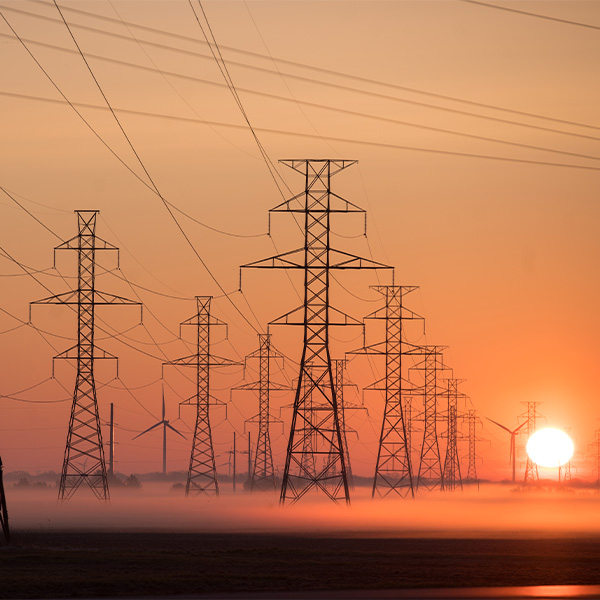
Parties filed their first briefs in the appeal of FERC Order 1920, which mandated changes to regional transmission planning and cost-allocation rules.
PacifiCorp
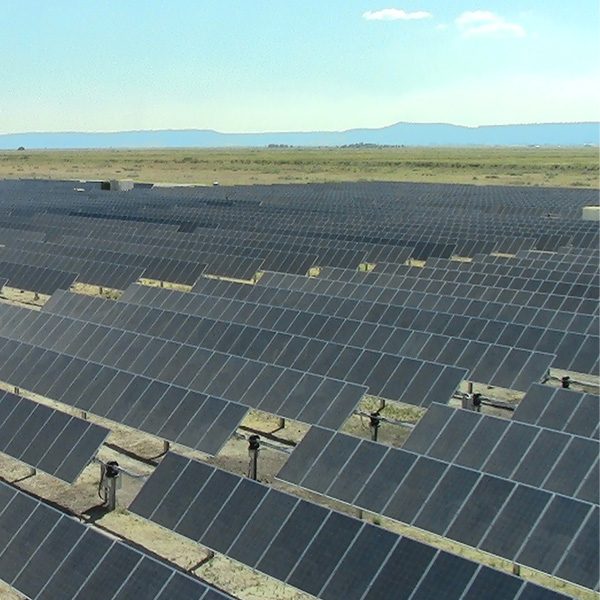
Oregon regulators have approved PacifiCorp's request for proposals for renewable resources, saying the utility must accept bids for resources with conditional firm transmission.
NextEra Energy
ISO-NE said it is open to capping the balancing ratio used to calculate Pay-for-Performance payments to prevent capacity resources from being required to provide more power than their capacity supply obligations.
Want more? Advanced Search