Resource Adequacy
Resource adequacy is the ability of electric grid operators to supply enough electricity at the right locations, using current capacity and reserves, to meet demand. It is expressed as the probability of an outage due to insufficient capacity.
Grid Strategies
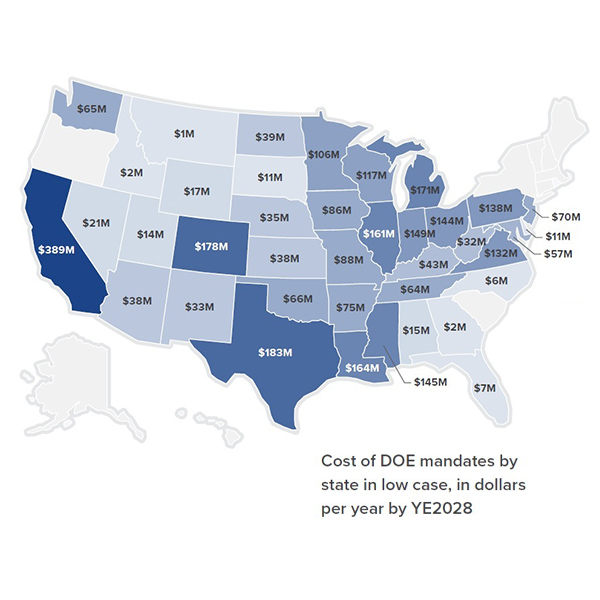
A Grid Strategies report concludes that if the Department of Energy continues to supersede retirement decisions for fossil-fueled power plants, it could cost consumers an extra $3 billion annually in a little more than three years.
Aurora Energy Research
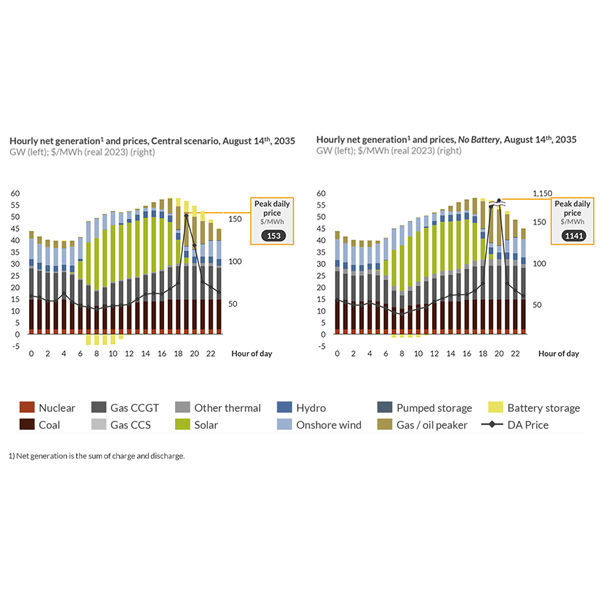
A new report urges SPP to accelerate its interconnection process and reform market rules to allow greater buildout of energy storage.
Bechtel
MISO members largely agreed that MISO’s new capacity auction structure — featuring individual seasonal auctions and a sloped demand curve — is better for the health of the system.
EPRI and Epoch AI
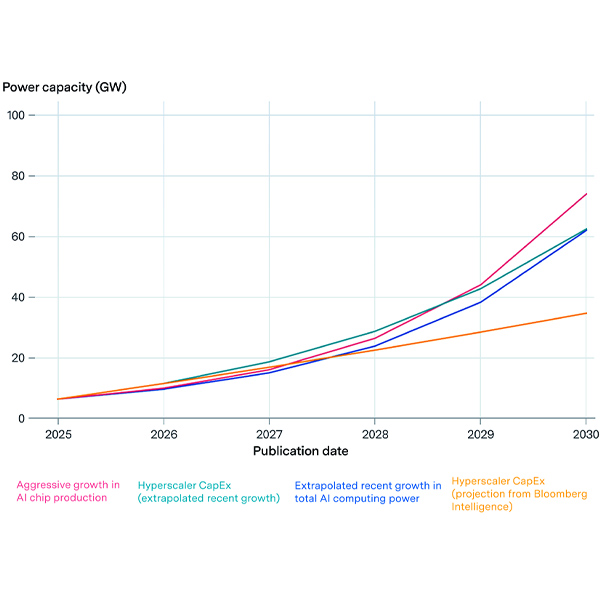
A new report by EPRI and Epoch AI estimates U.S. power demand by artificial intelligence could jump from 5 GW today to more than 50 GW by 2030.
NYISO
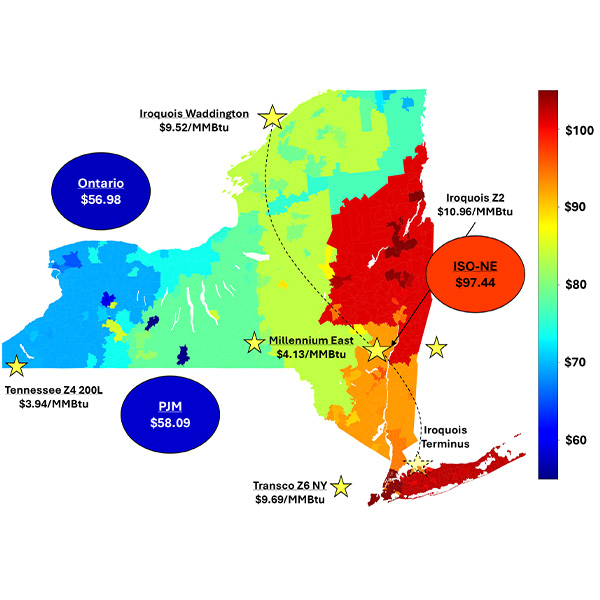
Stakeholders requested the NYISO Market Monitoring Unit provide an explanation of the difficulties in obtaining data from the ISO and market participants on supplemental commitments after it presented its State of the Market report for the first quarter.

© RTO Insider
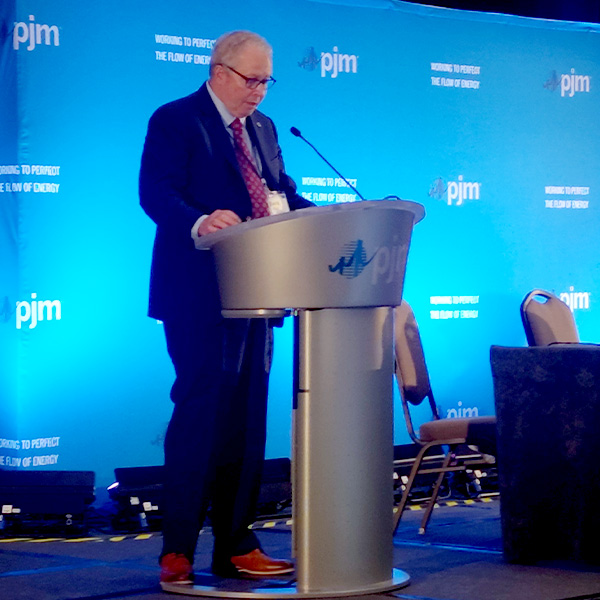
SPP’s Board of Directors agreed to defer action on a 765-kV transmission project with a ballooning cost estimate and staff’s large load integration policy, both the source of much stakeholder discussion.
© RTO Insider LLC
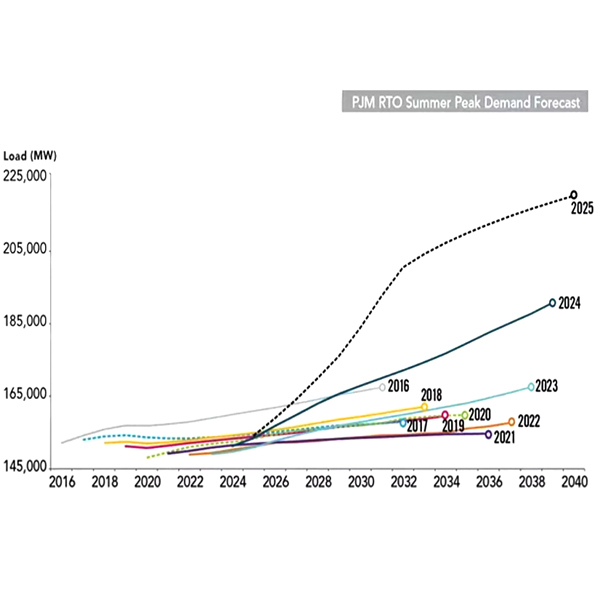
The PJM Board of Managers initiated a Critical Issue Fast Path process aimed at maintaining resource adequacy in the face of rising data center load growth, asking stakeholders to draft proposals to serve 32 GW of load growth expected by 2030.
NJ BPU
New Jersey faces tough decisions on how to balance the risk of blackouts against the cost of reducing their frequency as the state confronts the unprecedented future energy demand surge facing the region.

© RTO Insider LLC
The growing number of data centers offers a major growth opportunity for demand response, as it can help get the energy-hungry facilities online quicker than new generation, speakers said at CPower Energy’s GridFuture 2025 conference.
Shutterstock
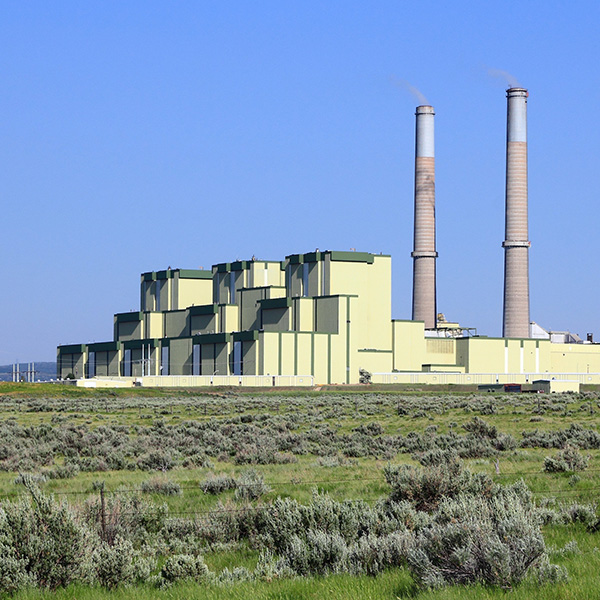
Colorado regulators have approved Tri-State Generation and Transmission Association’s plan to add 1,657 MW of new resources from 2026 to 2031, despite objections about the inclusion of a new natural gas plant.
Want more? Advanced Search