Resource Adequacy
Resource adequacy is the ability of electric grid operators to supply enough electricity at the right locations, using current capacity and reserves, to meet demand. It is expressed as the probability of an outage due to insufficient capacity.

© RTO Insider
PJM’s Markets and Reliability Committee endorsed two proposals to revise the RTO’s ELCC formula to add two new generation categories and limit the penalties resources face if their accreditation declines between auctions.
FERC
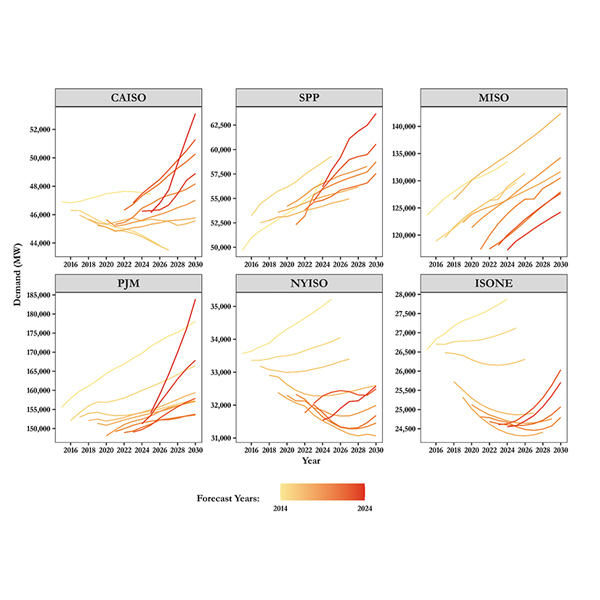
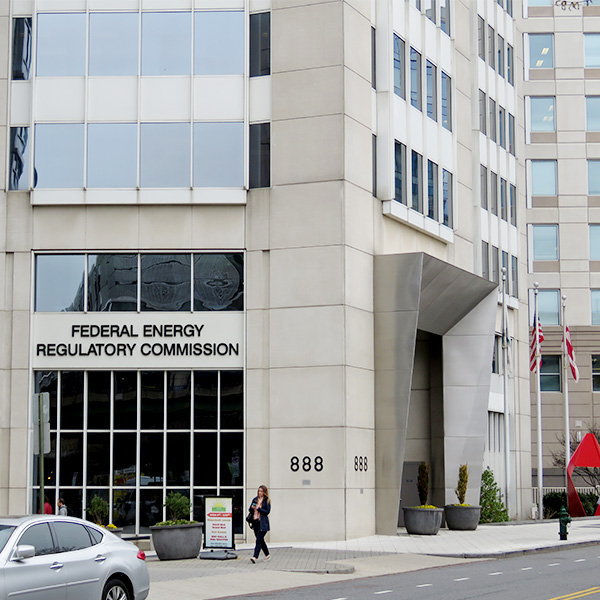
FERC's State of the Markets report showed lower wholesale energy prices but growing demand and higher capacity prices that signal a need to meet the coming load.

© RTO Insider
CERAWeek 2025 by S&P Global examined the changing energy landscape through 14 themes, from policy and regulation to climate and sustainability, but none seemed to draw more focus than the rapid expansion of AI and is potential transformative effects.
© RTO Insider
FERC is expected to rule on SPP’s proposed tariff revisions adding a winter season resource adequacy requirement and several other issues related to the grid operator.
Matthew T. Rader, CC BY-SA 4.0, via Wikimedia Commons
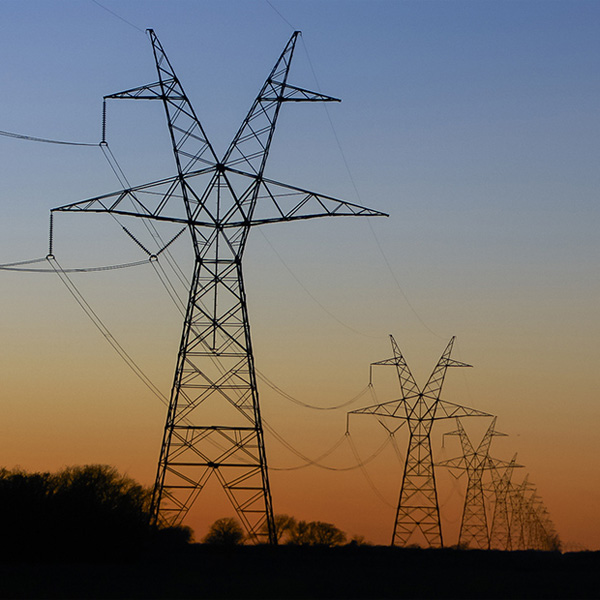
ERCOT already operates a power system as large as those in several European countries, but demand growth is expected to bring it up to the level of PJM and MISO, which has the industry considering building a new system of 765-kV lines to transmit power around Texas.
© RTO Insider
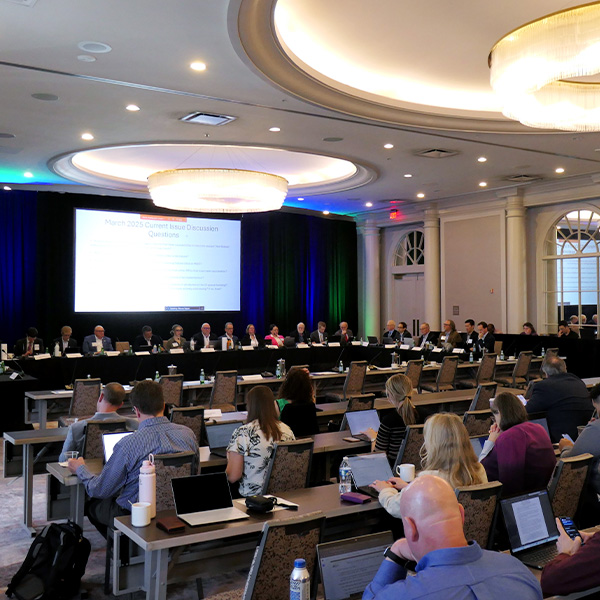
MISO members haven’t landed on easy answers in getting the approximately 54 GW of unfinished generation that has cleared the interconnection queue online sooner.
© RTO Insider
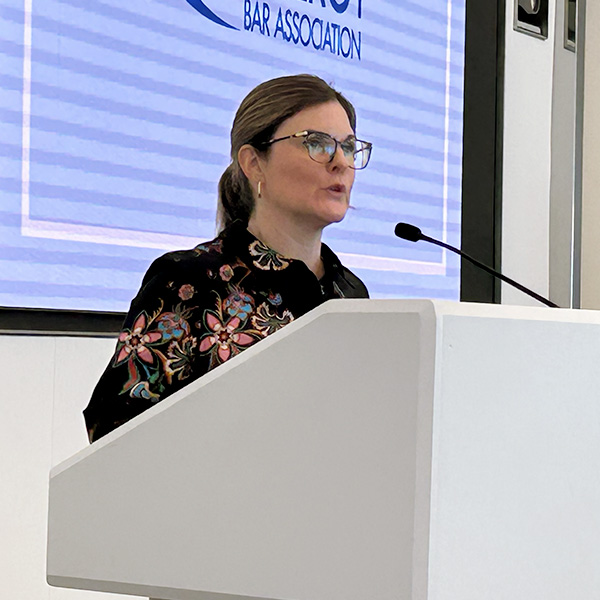
Even if demand forecasts from new data centers are twice as large as what ends up being built, the growth is going to be at a scale where the power industry’s regulations need to change to keep up with it, former FERC Commissioner Allison Clements said.
© RTO Insider
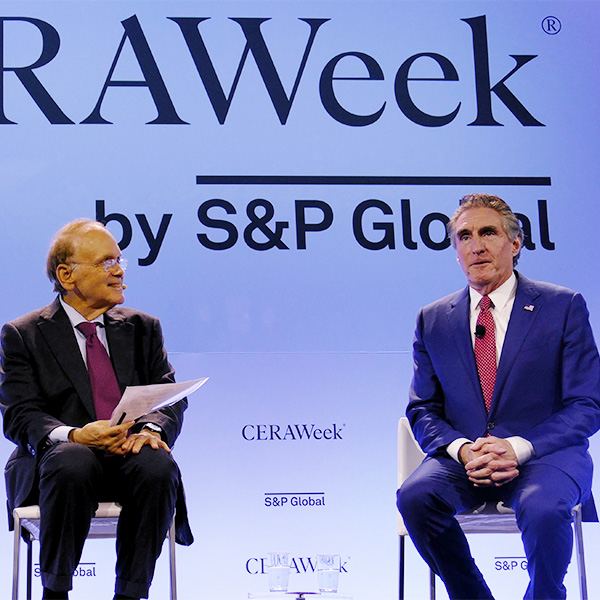
Secretaries Chris Wright and Doug Burgum plugged the need for natural gas as the answer to the U.S.' energy needs during CERAWeek.
Shutterstock
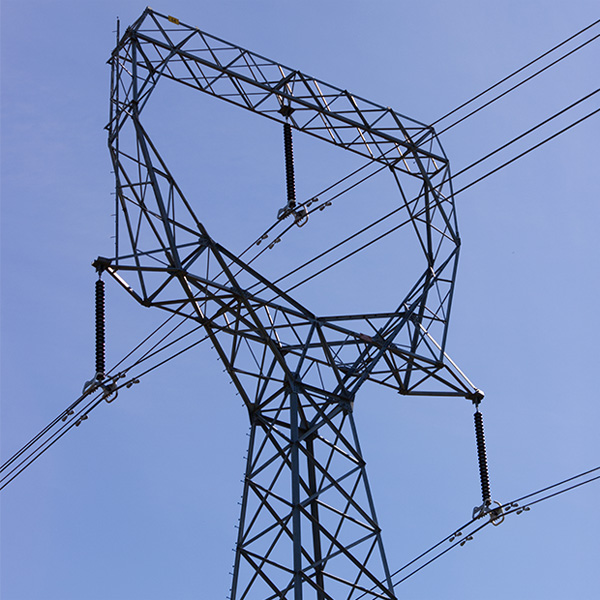
The Northwest Power and Conservation Council must ensure forecast models consider President Donald Trump’s shifting energy priorities to ensure the council’s upcoming 20-year regional power plan stays relevant, board members contended during a recent meeting.

© RTO Insider LLC
PJM presented the Planning Committee with a draft amendment to the Deactivation Enhancement Senior Task Force’s issue charge to add a key work activity focused on creating pro forma language for reliability-must-run agreements with generation owners seeking to deactivate a unit identified as being necessary for reliability.
Want more? Advanced Search