Special Reports & Commentary

The Edison Electric Institute’s annual conference and thought leadership forum featured numerous discussions on the industry's ability to meet the explosive demand without sacrificing reliability and affordability.
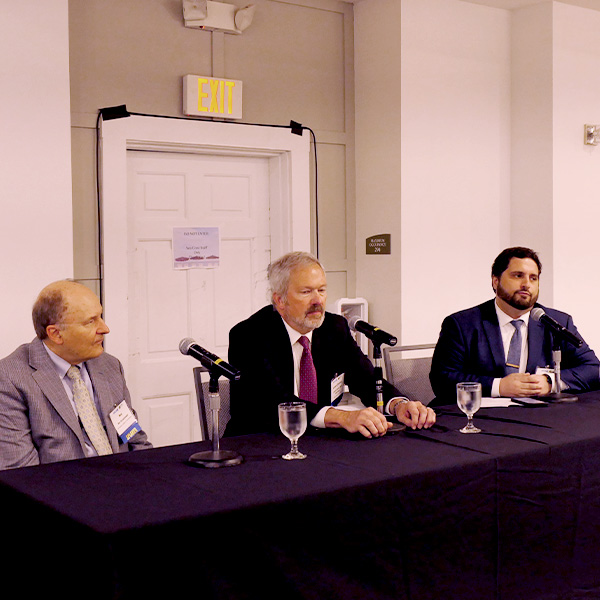
New England utility regulators warned that knee-jerk reactions to backlash over high winter costs could create long-term consequences for customers.
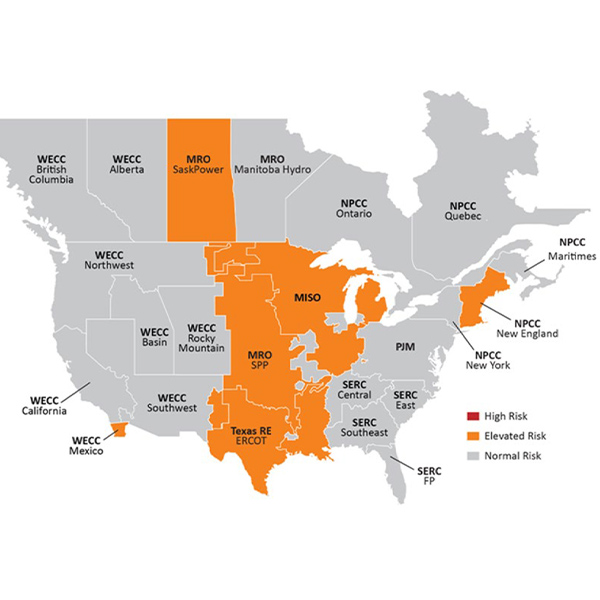
FERC’s resource adequacy technical conference zoomed out on the second day, June 5, with several panels examining ISO-NE, MISO and NYISO.
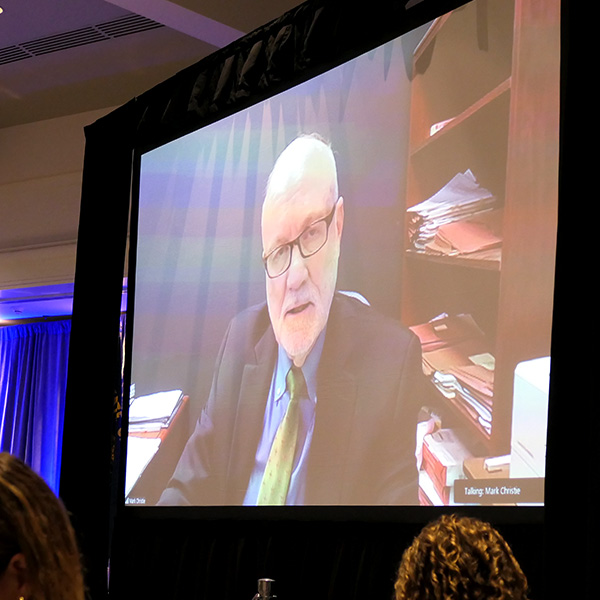
Outgoing FERC Chair Mark Christie and former Colorado Gov. Bill Ritter both emphasized that the West controls the future of the Western interconnection, not Washington.
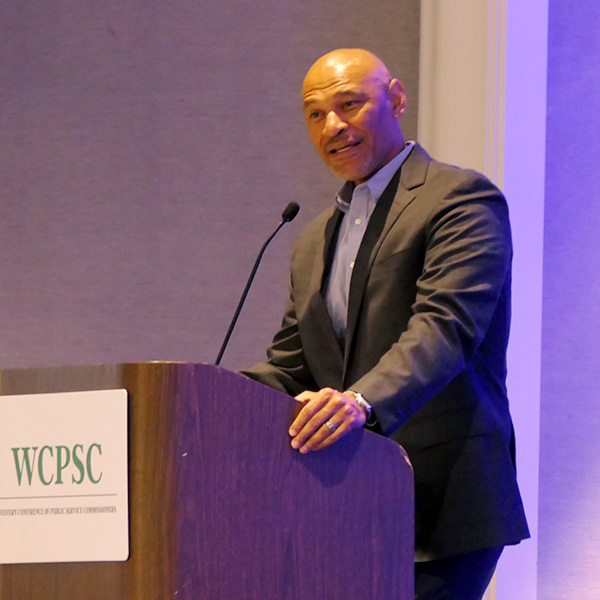
BPA CEO John Hairston’s keynote at the annual meeting of the WCPSC spotlighted a theme that would dominate discussion at the event: the looming prospect of overwhelming growth in electricity demand in the West and across the U.S.
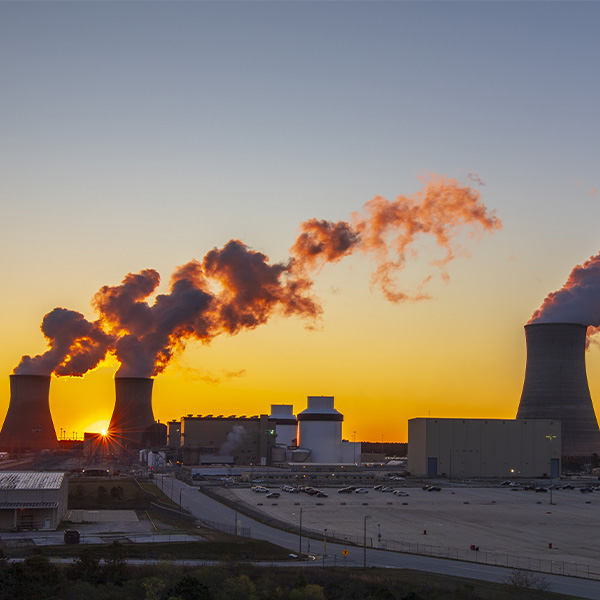
The U.S. hasn’t built new nuclear plants over the past 50 years (other than the Vogtle disaster) because they haven’t made any economic sense, argues columnist Steve Huntoon.
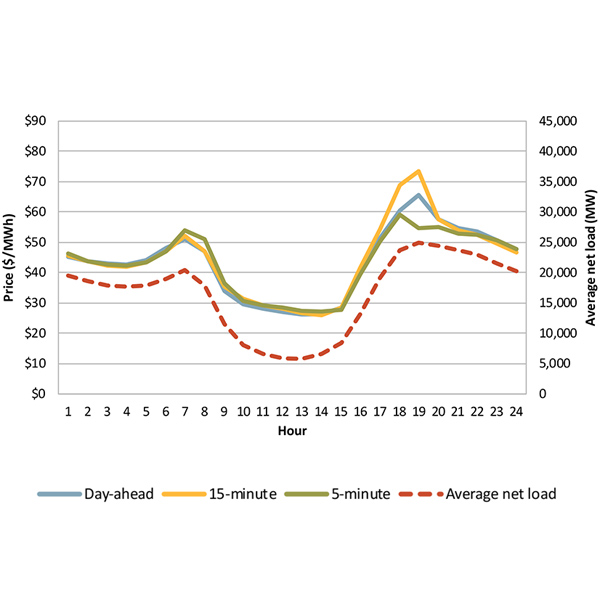
The duck curve has landed in New England, not the sunniest of places, but it and California are by no means the only grids that will be greatly affected, says columnist Peter Kelly-Detwiler.

An EBA panel looked into the history of demand growth in light of its recent return, while a second panel looked at issues around utility credit ratings, as investments will have to ramp up to meet the new demand.
As the tides of deregulation swell, Gretchen Kershaw of Grid Strategies wants to "set the record straight" on FERC Order 1920 and why it's essential.
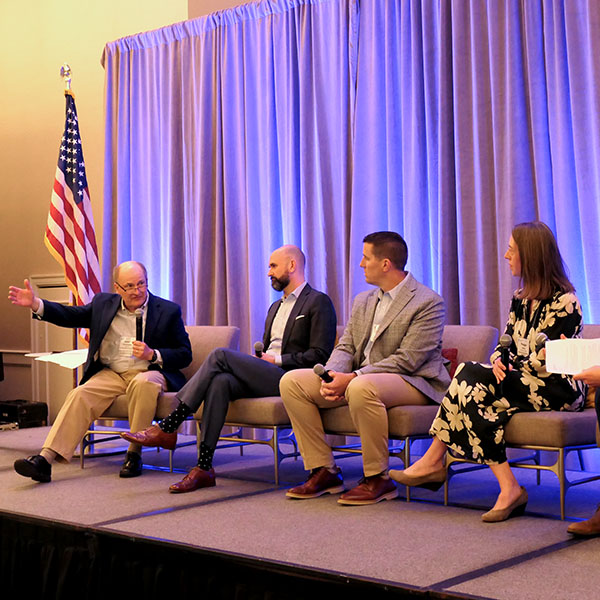
Government officials and industry executives discussed how to mitigate rising energy costs in New England at the NECPUC Symposium.
Want more? Advanced Search