Special Reports & Commentary
© RTO Insider
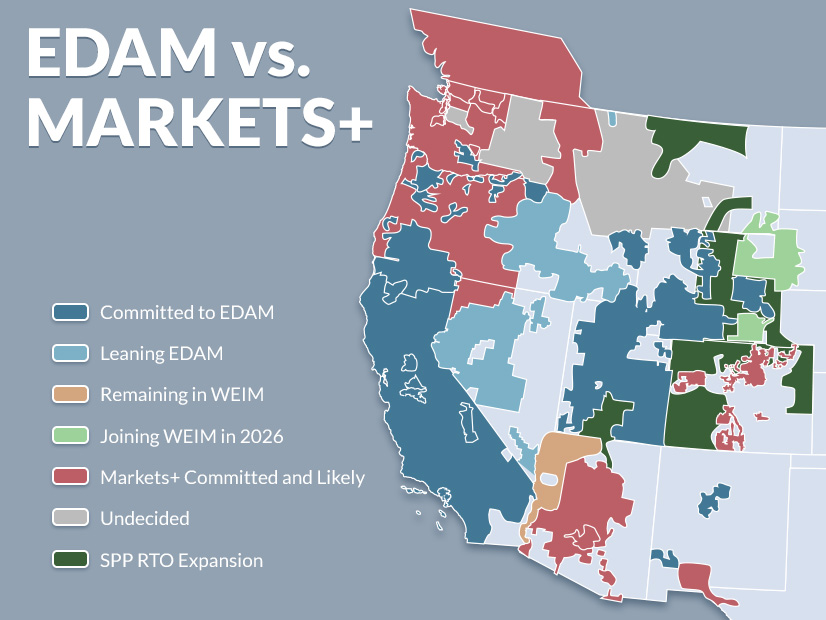
For the first time in years, California’s grip on Western market design is genuinely at risk, writes Nick Myers of the Arizona Corporation Commission.
ACI
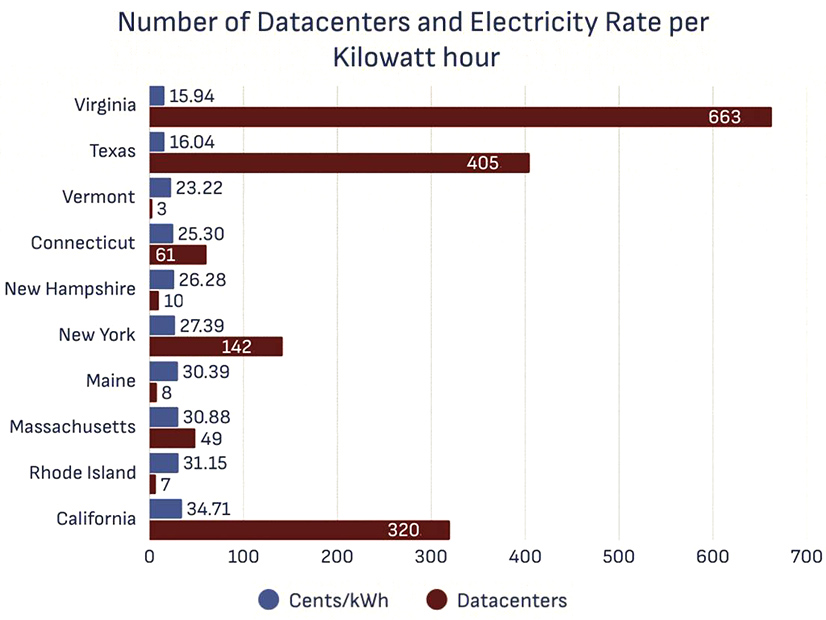
Data centers have become the whipping boy of high electric bills; consumers believe they are paying higher rates because of these power-hungry server farms. However, it is not that simple, writes Kristen Walker of The American Consumer Institute.
Hitachi Vantara
Columnist Dej Knuckey says there’s no doubt AI can be exponentially faster, smarter, and more innovative and efficient than the current workforce, but can it be reliable?
© RTO Insider
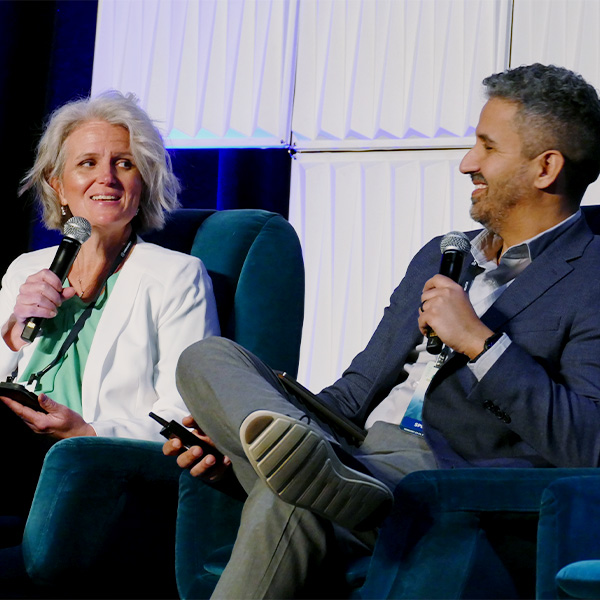
MISO and SPP credited interregional collaboration with helping them win FERC's approval of their expedited study processes.
© RTO Insider
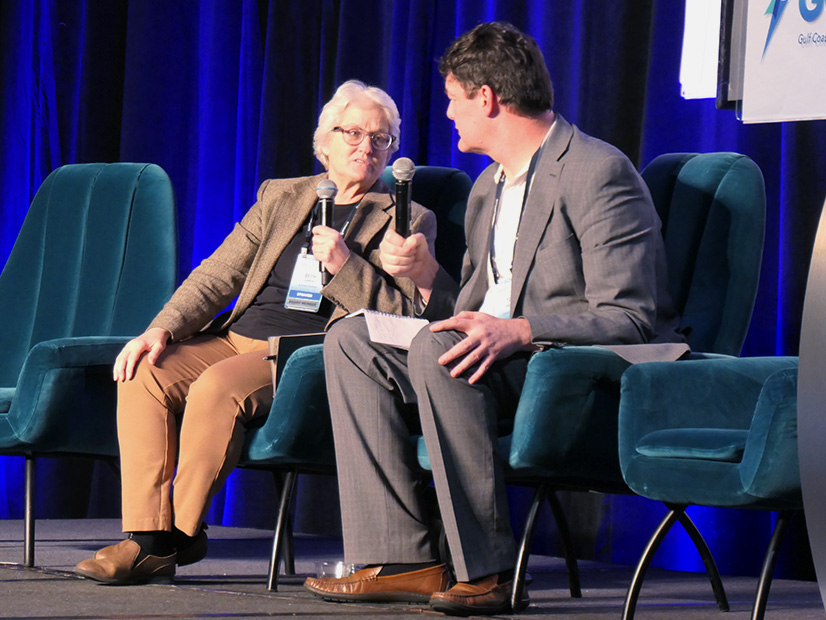
The Gulf Coast Power Association’s MISO-SPP Regional Conference showcased the rush to add resources, and panelists mused on which new trends could take hold in resource expansion.
© RTO Insider
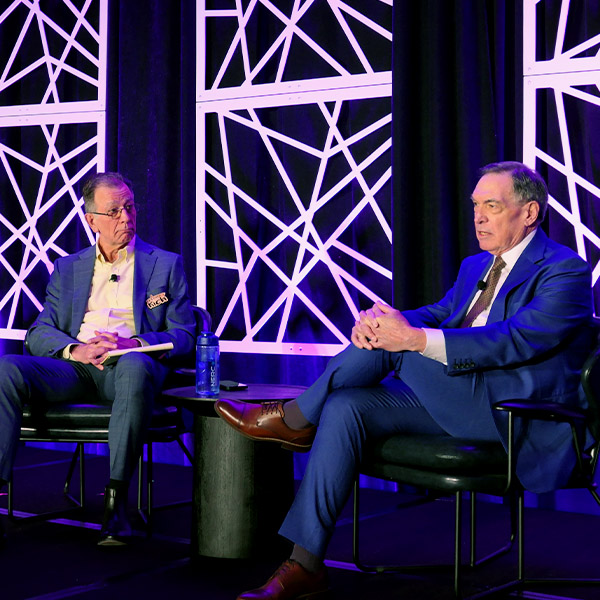
The challenges of meeting accelerating load growth dominated discussions at EMPOWER 26, Yes Energy’s annual summit.
BloombergNEF
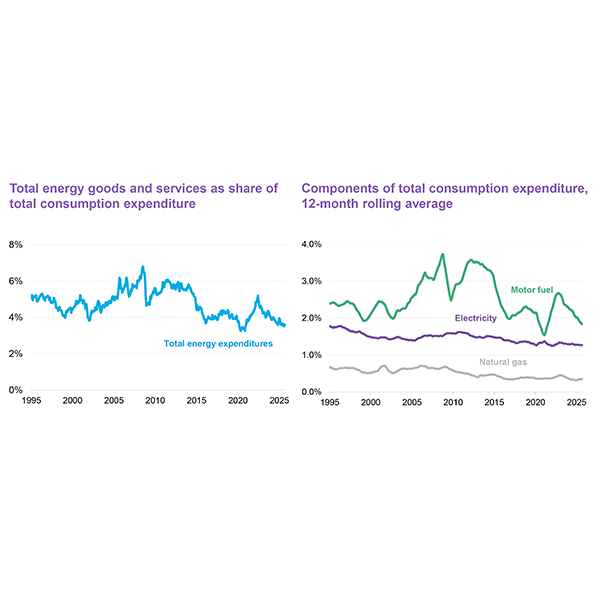
According to the Business Council for Sustainable Energy’s 2026 Factbook, U.S. consumers spent “slightly less” on electricity in 2025 than they did in in 2024.
Jason Dixon Photography
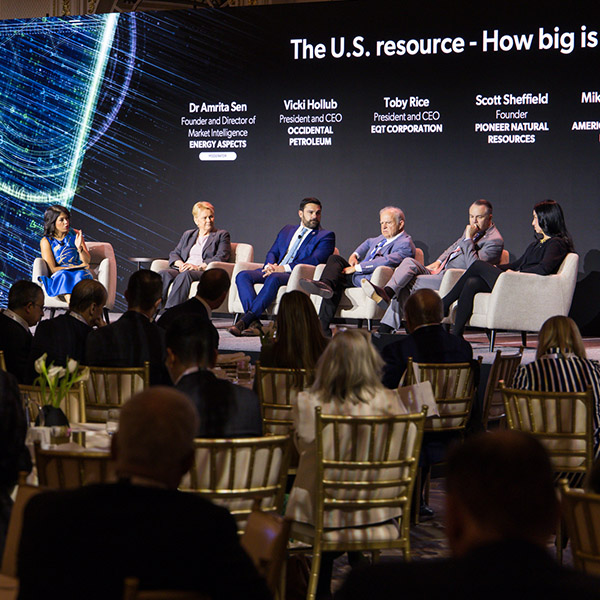
Congress needs to disallow states from vetoing Clean Water Act permits for interstate natural gas pipelines, FERC Chair Laura Swett said at an energy conference.
DOE
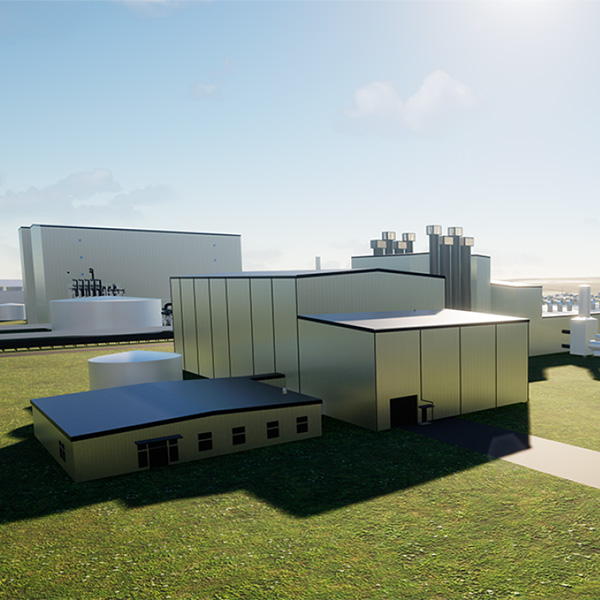
Bill Gates-backed nuclear power startup TerraPower expects to break ground on its planned Natrium power plant in Wyoming within weeks, the company’s top executive said Feb. 24.
© RTO Insider
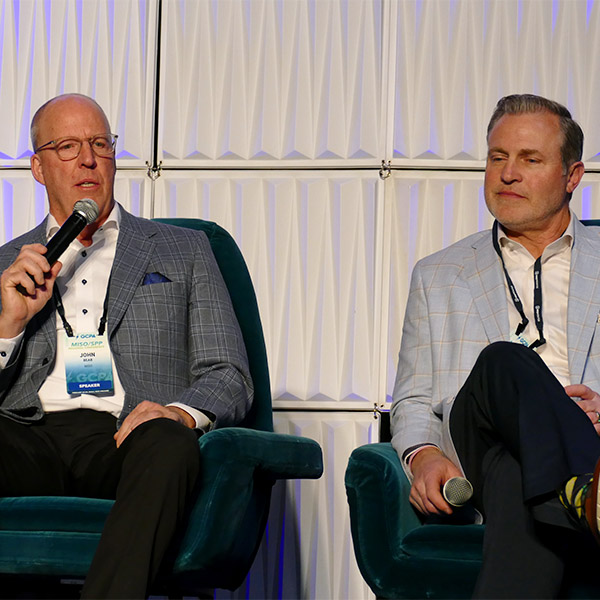
MISO’s and SPP’s CEOs are confident their interconnection queues will be up to the task of meeting new data center load once their respective special expedited lanes wind down.
Want more? Advanced Search