Commentary
NRDC
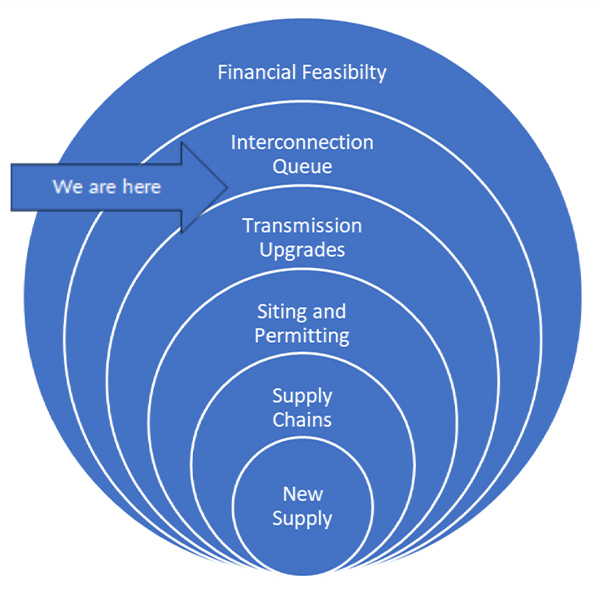
PJM, with prompting from 13 governors, is trying another solution to resource adequacy: the “Reliability Backstop Auction.” While details still are being negotiated, this boils down to throwing money at new power plants, says Tom Rutigliano of the NRDC.
The Century Foundation commentary with data from UC-CCP
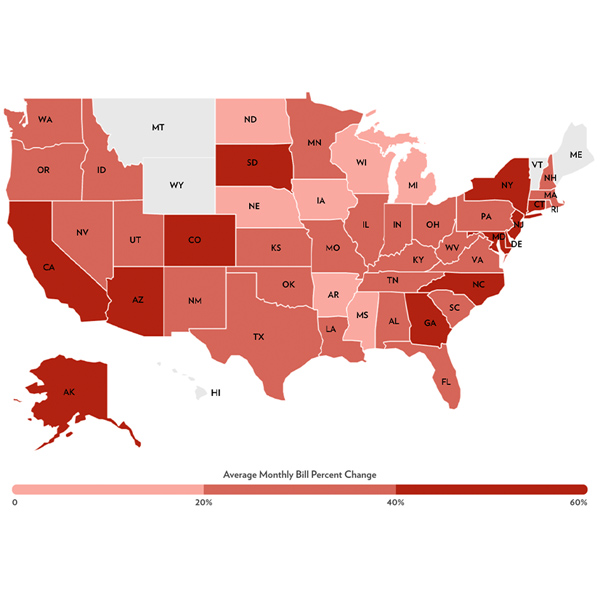
Residential electricity bills have moved from being background noise in discussions about resource adequacy, decarbonization, and transmission expansion to being the loudest political and business risk, says Dej Knuckey.
Windy.com
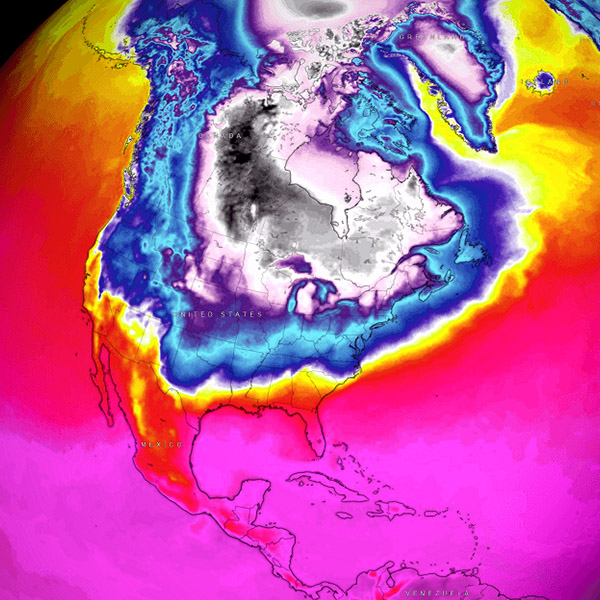
With Winter Storm Fern, we learned, once again, that our nation’s power grids rely on a significant fossil mix when the weather turns nasty, writes columnist Peter Kelly-Detwiler.
MISO
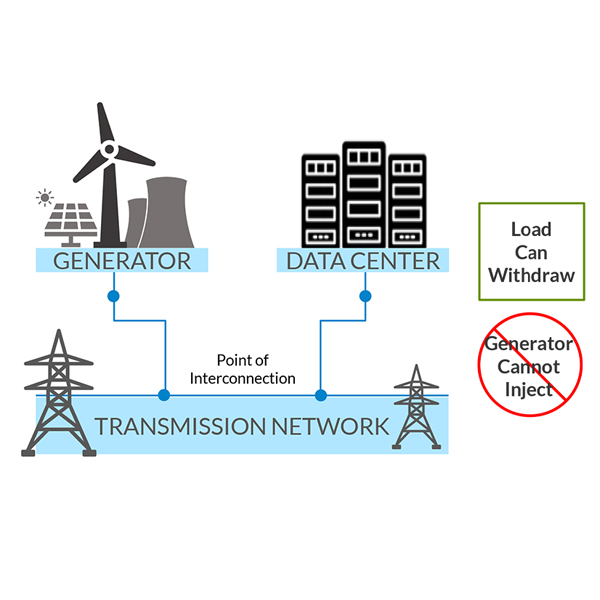
Limiting MISO large load solutions only to zero-injection scenarios misses the mark and can create a myriad of challenges now and in the future, writes David Sapper of the Clean Grid Alliance.
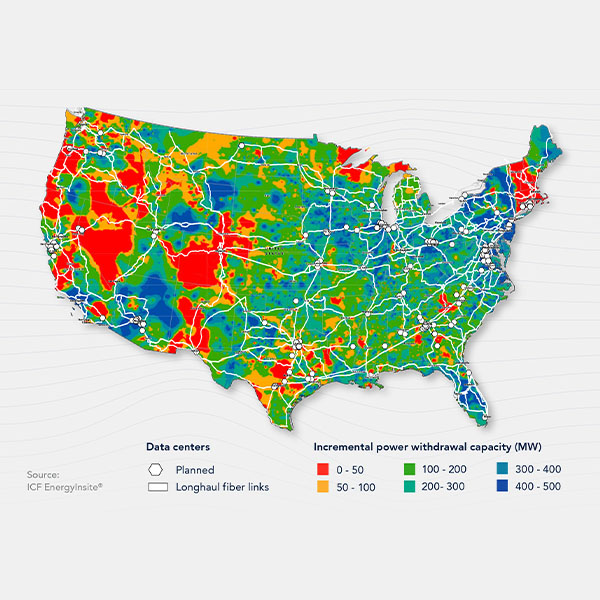
ICF EnergyInsite
An alternative to connecting a large data center load to the electrical grid is a private, fully off-grid energy system, writes Travis Fisher of Cato.

Shutterstock
Misguided NIMBYism or corporate welfare either obstructs the building of new data centers or compels taxpayers to subsidize them, writes energy consultant Kenneth W. Costello.
Entergy
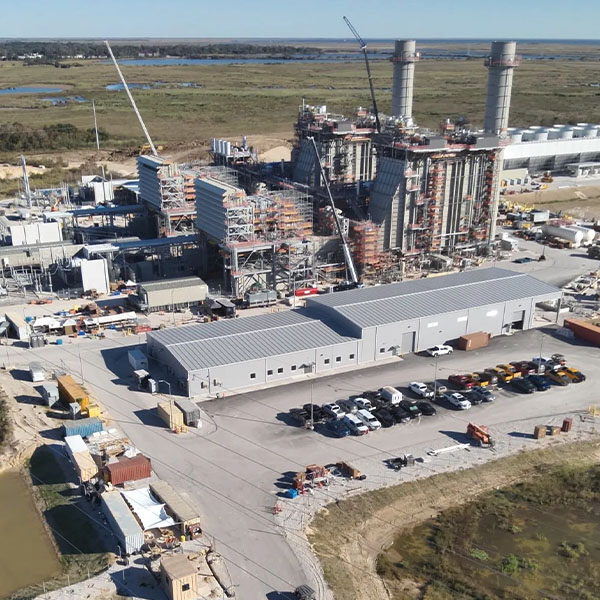
The new ERAS processes in MISO and SPP allow certain power plants to effectively jump the interconnection line, skipping ahead of hundreds of other projects already waiting their turn, writes Southern Renewable Energy Association Executive Director Simon Mahan.
IPCC
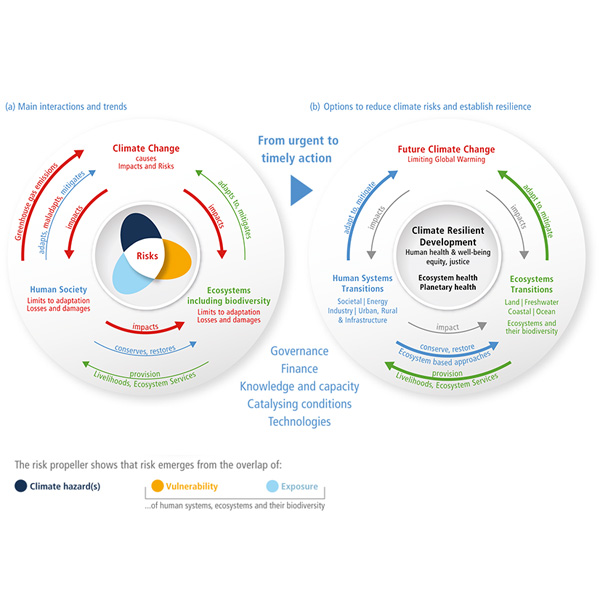
Climate risk no longer is simply an environmental problem. It’s a governance, planning, and management problem. And it sits squarely on the desks of utility executives, system operators, and policymakers.
Shutterstock
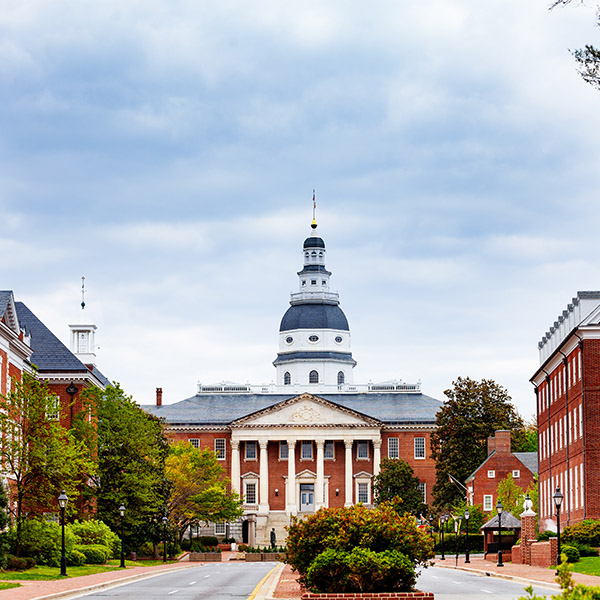
Maryland's 2026 legislative session could show how states facing explosive demand growth can achieve their clean energy and affordability goals despite the Trump administration’s resistance to solar, wind and storage, according to Livewire columnist K Kaufmann.
© RTO Insider
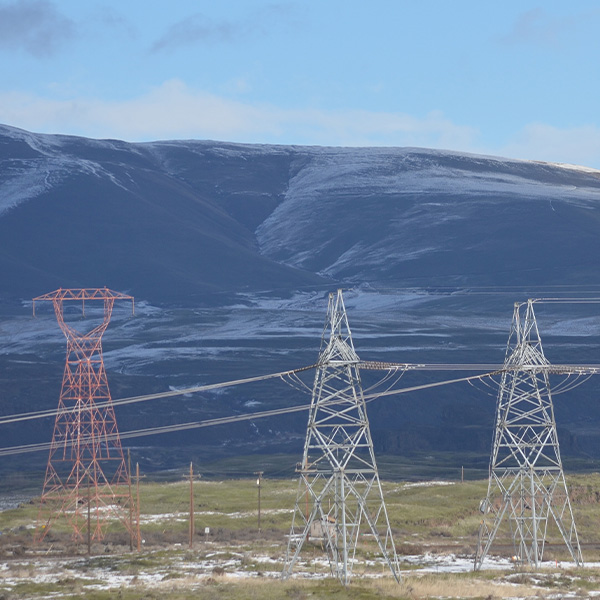
Achieving Washington's and Oregon's goals of 80% clean/decarbonized energy by 2030 will be difficult because of the transmission access and construction realities, writes Randy Hardy.
Want more? Advanced Search