U.S. Department of the Interior
CEC
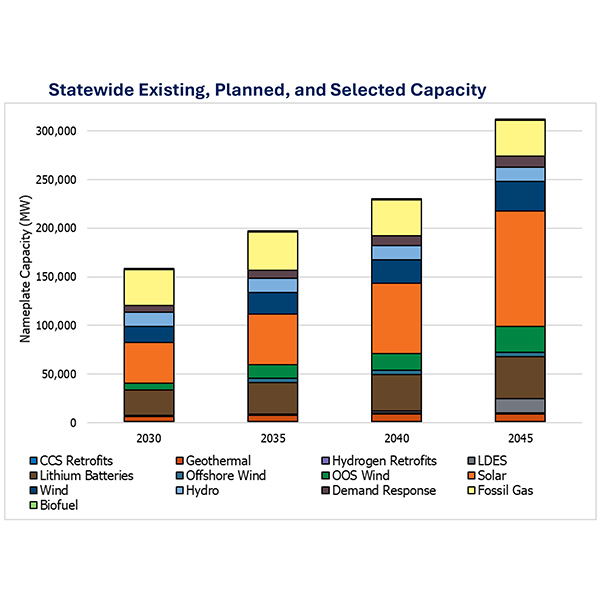
Solar and wind resources could generate up to 85% of California’s electricity by 2045, according to a report being drafted by the energy commission.
Colonial Pipeline
Opinion writer Shahid Mahdi worries about the cybersecurity risks of co-location, and asks if a co-located data center is hit with ransomware, does the nuclear plant have to trip offline?
AdminMonitor
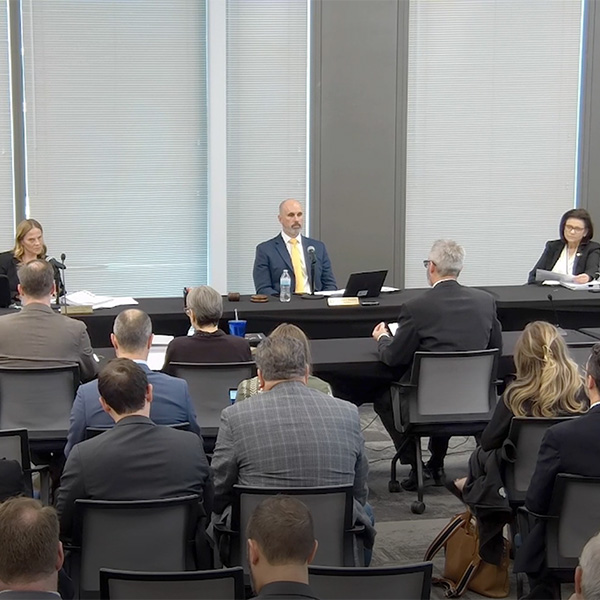
ERCOT staff have promised more clarity on the link between the initial batch study process for large loads and the subsequent studies and existing planning structure during an upcoming workshop.
NYISO
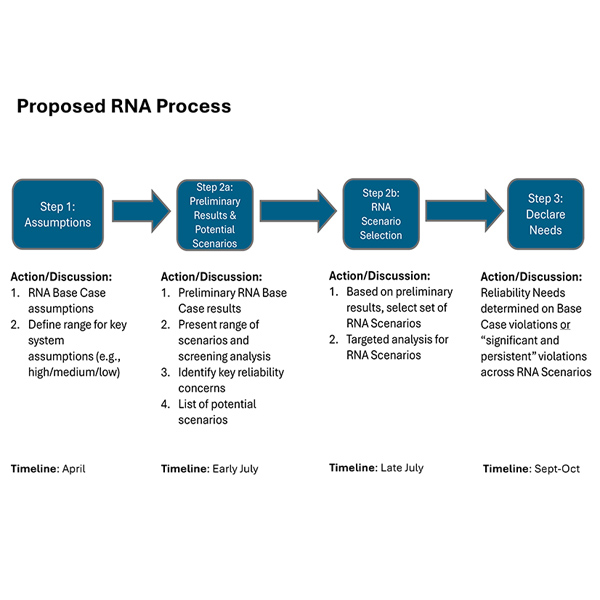
NYISO is proposing to use a set of multiple scenarios rather than relying on a single base case in its Reliability Planning Process to avoid study-by-study fluctuations in determining reliability needs.
Dominion Energy
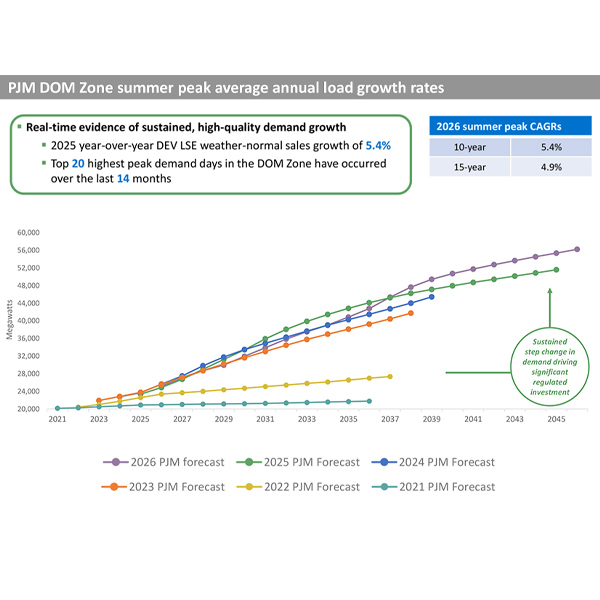
Dominion Energy updated analysts on its efforts to complete a major offshore wind project and to meet rising demand from data centers on its fourth-quarter earnings call.
Tri-State Generation and Transmission Association
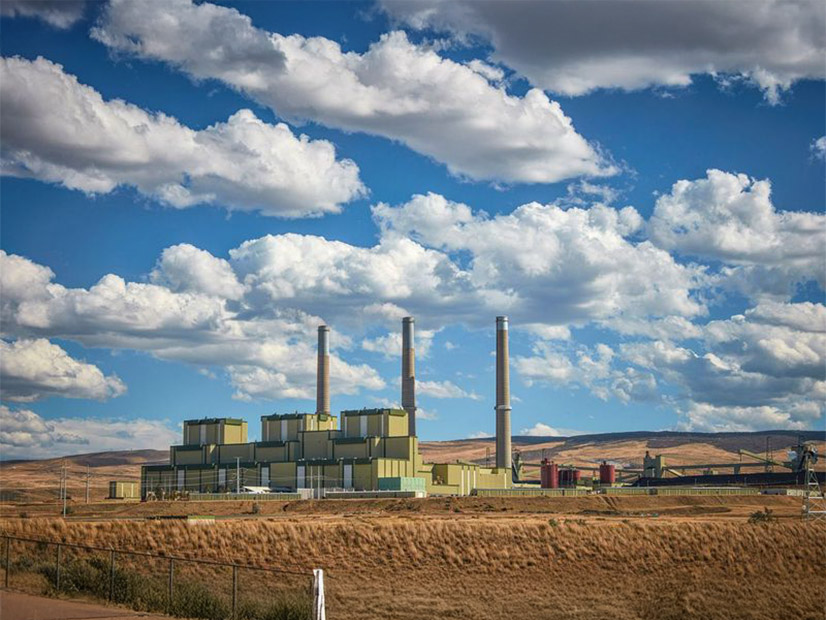
A bill in the Colorado legislature seeks to reduce the environmental impact of federal orders delaying the retirement of coal-fired power plants.
EIA
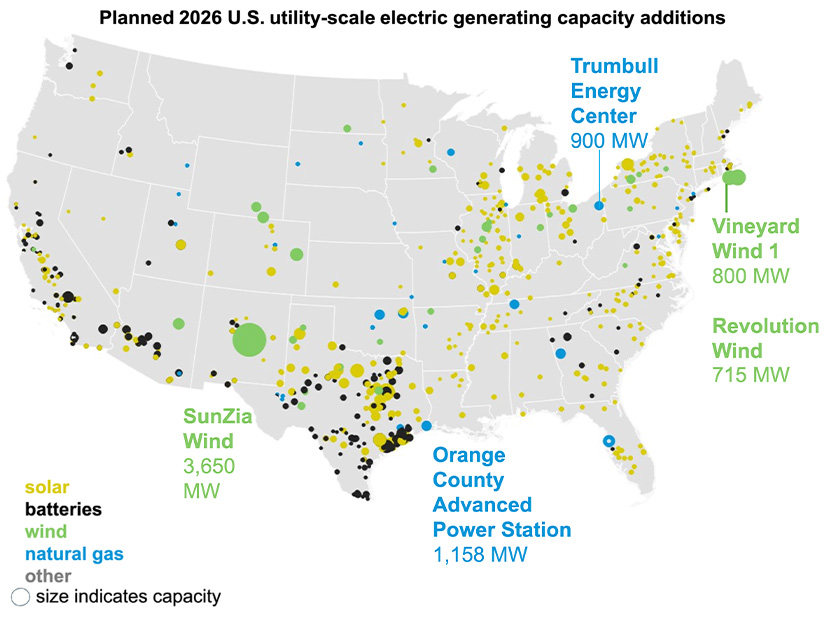
The EIA released a report that said a record 86 GW of utility-scale capacity is projected to be added to the grid in 2026, which if true, would far outpace the 53 GW of capacity added in 2025.
MISO
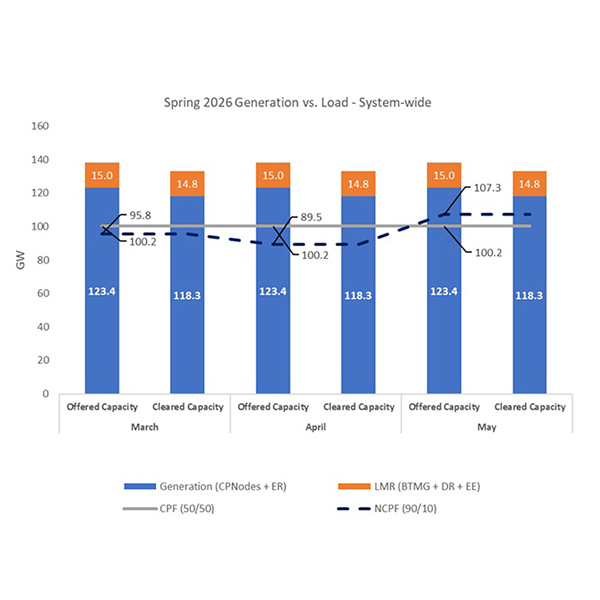
MISO is confident in its ability to meet spring demand, as the grid operator said it will be able to deliver on both its coincident and non-coincident peak forecasts through May.
Oklahoma Municipal Power Authority
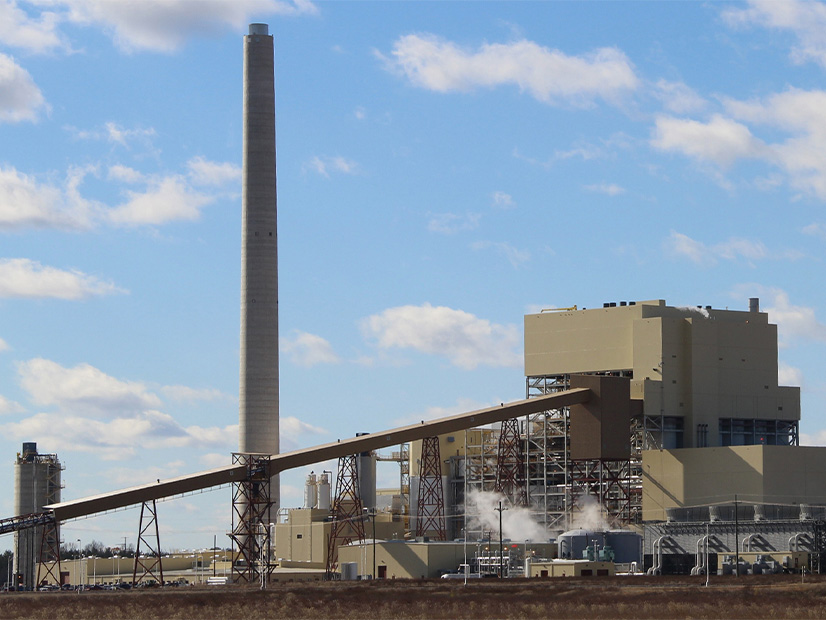
EPA revoked its 2024 updates to the MATS rules, which included regulation of non-mercury emissions and monitoring equipment requirements for all covered power plants.
PacifiCorp
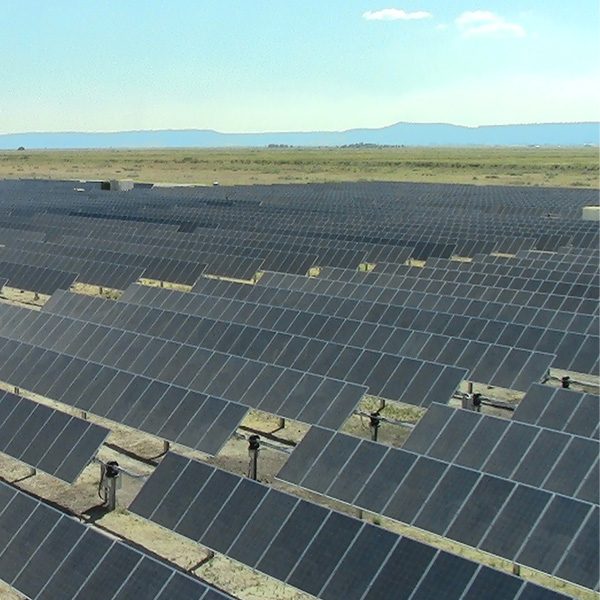
FERC accepted five new reliability standards setting requirements for model validation and data sharing for inverter-based resources.
Want more? Advanced Search